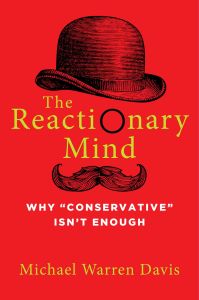
First up, Tuesday Teasins’, this time from Michael Warren Davis’ The Reactionary Mind.
We are always free to choose, but never free from choice. We lack the greatest freedom of all: freedom from desire, otherwise known as gratitude.
There’s no better word for the condition of modern man: restless. He is oppressed by his own false freedom, tortured by his inflamed appetites, and humiliated by his own ignorance. The things that might make him truly happy—gratitude and simplicity, peace and quiet—are kept forever out of his reach.
This week’s top ten list is a ‘genre freebie’, so I’m going to go with Ten Near-Future SF Tales.
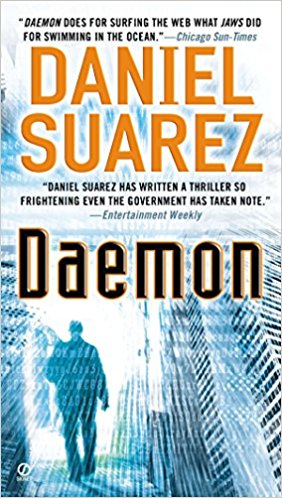
(1) & (2): Daemonand Freedom, Daniel Suarez. The first of these is a chilling conspiracy, as an AI with a distributed intelligence begins expanding itself and effecting a takeover of pretty much anything computerized, recruiting human agents to do its bidding through a videogame. The reader is drawn into this drama from the eyes of a cop investigating a mysterious murder, realizing right along with him how much more terrible the truth is. The story continues in Freedom, as the Daemon begins attempting to re-form human society around its technical apparatus.
(3) and (4). The Circle and The Every, Dave Eggers. Chilling looks into the world that Big Tech is creating, frightening not just for the power they have over politics and economics, but the way they are deforming the thoughts and desires of we poor creatures caught in their web.
(5) Optimal, J.M. Berger. Of life run by algorithms. My first SF read of 2021, and still memorable despite discovering Blake Crouch that same year.
(6) Player Piano, Kurt Vonnegut. Of people living in deep anomie in a world where machines do everything.
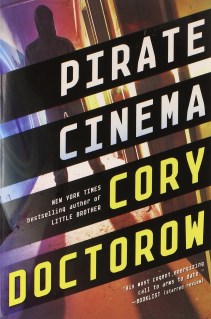
(7) Pirate Cinema, Cory Doctorow. One of the more ‘fun’ ones on this list, here Doctorow gives a story based on ‘remixing’ culture, of people creating new movies/songs/etc by taking pieces of other ones. As with many of Doctorow’s works, it debates the virtues of IP.
(8) The Warehouse, Rob Hart. A mystery/thriller set in an America dominated by an Amazon-on-steroids. Something like The Every, but not nearly as penetrating: Eggers’ critical strength lays in exposing how big tech warps human behavior.
(9) Upgrade, Blake Crouch. A look at the dawn of the transhuman revolution.
(10) That Hideous Strength, C.S. Lewis A sharp rebuke to those who lust after domination of the human soul, technical and otherwise.
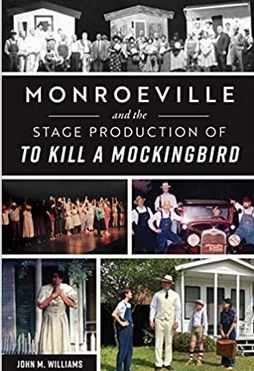
The first time I ever visited Monroeville, I had the dumb luck to arrive on a day when the courthouse-turned-museum was hosting a theatrical version of the story. I had no idea such a thing even existed. Monroeville and the Stage Production of “To Kill a Mockingbird” is the story of how the play came to be, and how it’s become part of Monroevillers’ lives over the last two decades. I say ‘story’ deliberately, because Williams hasn’t written a formal history. Instead, it’s more of a collection of accounts, typically centering around a personality who was involved or impacted in the story of TKAM and especially its stage production, and while the accounts generally follow a chronological drift, it’s very much a drift and not a purposeful drive. Through these accounts, we get a varied history of the town, the play, and how they give life to another: the town’s racial tensions giving birth to the original story, the novel keeping a post-industrial rural community alive and making it Alabama’s literary capital. We meet personalities who inspired those in the play, and those who embody the characters and bring them to life, both in Alabama and abroad, and come to know Monroeville better through the people who have heard its stories from their grandfather’s lap and now pass them on. It’s an interesting mix of local history and literary commentary – definitely of interest to both Alabamians and to those interested in TKAM in general.
A few years back I read a quote in Vonnegut’s Timequake that has stuck with me since.
”My uncle Alex Vonnegut, a Harvard-educated life insurance salesman who lived at 5033 North Pennsylvania Street, taught me something very important. He said that when things were going really well we should be sure to NOTICE it. He was talking about simple occasions, not great victories; maybe drinking lemonade on a hot afternoon in the shade, or smelling the aroma of a nearby bakery, or fishing and not caring if we catch anything or not, or hearing somebody all alone playing a piano really well in the house next door. Uncle Alex urged me to say this out loud during such epiphanies: ‘If this isn’t nice, what is?’”
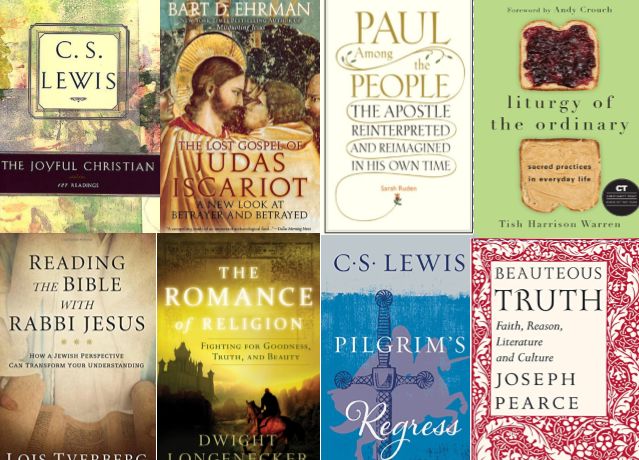
Let’s say you’ve never read any of C.S. Lewis’ nonfiction, but you’ve heard his name constantly and are curious. Published fourteen years after Lewis’ death, The Joyful Christian collects excerpts from his more popular works into one volume. Although the drawn-from works vary (they include his biography Surprised by Joy, his Christian nonfiction like Miracles and The Problem of Pain, Letters to Malcolm, and even The Screwtape Letters), the collection is tightly focused on the Christian life. The title is somewhat misleading in that it’s not a book about mirth and merriment, but rather uses Lewis’ original use of ‘joy’ – those fleeting moments of feeling something transcendental, happening spontaneously and unpredictably, hints of something beyond than what is dreamt of in Victorian man’s philosophy. The volume proved an solid start to my Lenten reading, given that it begins with Lewis’ writing on the truthfulness of Christianity before shifting to faith practices. These were intended to be read devotionally, I think, since the multitude of short pieces (each is 2-4 paragraphs), but I’ve read most of the source material so I just enjoyed the refresher. Personally, as a Lewis devotional reader, I prefer A Year with C.S. Lewis, but this would be a good primer for someone who’s never read Lewis and is interested in the range of his Christian writing.
Longandshortreviews hosts a weekly blogging challenge with prompts for readers to response to. This week’s topic hit a sweet spot for me: the Internet! Nevermind that it’s Thursday. I had a computer before I had the internet, and having gotten tastes of it at friends’ houses I was squirmy with anticipation about the places I might explore once my parents decided to spring for dial-up at our house, keeping a little notebook with websites I heard about. The only ones I remember are scholastic.com, frenzmail.com, and whitehouse.com. The last was my seeing an official website for the White House in a book on the presidents, and not paying attention to the .gov. Back then, it was….well, not fit for an eighth-grader to visit, let’s just say. I can’t remember for certain which website I visited first, but a neighbor-friend of mine who showed me how to get started with computers and the internet was using Yahoo.com at the time for chatting, so if I were a betting man with a time machine that’s where my money would be. (Well, if I were a betting man with a time machine my money would be in Apple & Amazon!)
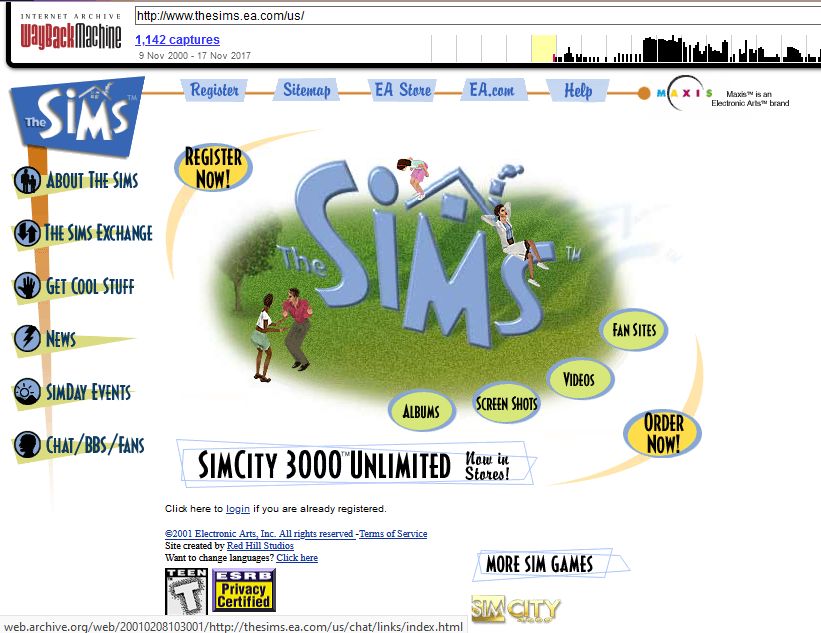
Although I did visit scholastic.com, it would have been a one-off thing. The websites that young me spent time on were The Sims.com and the multitude of fan websites offering downloads for the game; 3DO.com, for its unique forum system and thriving community of gamers; and Rinkworks’ “Computer Stupidities“, which I’m delighted to report looks exactly the same as it did way back when.
Just for fun: I found a website that tracks the most popular websites since 1993 on a month to month basis, a moving bar graph. Watch how Google just explodes in 2004-2005. Also, the host of the InternetHistory podcast has a superb book called How the Internet Happened if you want to go riding down memory lane. It’s about how we experienced the internet, not the technical bits. (For that, read Where Wizards Stay Up Late at Night.)
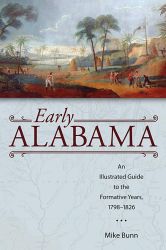
Published in time for the celebration of Alabama’s bicentennial, Early Alabama invites readers back to when the Heart of Dixie was still a wilderness, save for settlements in its extreme north and south. The first hundred pages of the work deliver a history of the state from the organization of the original Mississippi Territory (then including most of the areas of both Alabama and Mississippi) to the move of the state capital to Tuscaloosa in 1826, and the second half includes photos of sites related to or illustrative of colonial Alabama history, including spots in Mississippi since the territory was initially governed from Natchez. Although the United States legally gained this territory from Britain and Spain through both war and diplomacy, in the early years Americans were only allowed to settle in the extreme north and extreme south, along the Tennessee river and around the Mobile river and bay area. The rest remained the province of various Creek tribes, who ranged from allies who embraced aspects of European culture, to factions like the bellicose Redsticks. Altercations between settlers just above Mobile and the Redsticks led to a more general conflagration, however, and in 1814 the actions of the US Army forced the Creeks (allies included) to cede over all remaining territory. “Alabama fever” then followed, as ambitious men of varying means from the Carolinas, Georgia, and Virginia were soon planting their stakes along the fertile fields of the Blackbelt and other now-open territory. Although the state’s politics were initially dominated by the ‘Royal Party’, a group of elite planters, there was not as yet a firmly-rooted planter-patrician class, and the constitution created after Alabamians petitioned for statehood was fairly egalitarian – far more so than the 1901 constitution the southern bourbons would impose a century later. The seat of political power shifted constantly in the early years, with the temporary capital in Huntsville testifying to north Alabama’s (the Huntsville-Florence area) initial status as a counterweight to the planters of the coastal plain. Although the book is generously supplied with photos, they don’t overwhelm the narrative, and are illustrative of the text rather than constituting the mass of the book. Alabamians will find this little volume serves them well, both for its survey of early Alabama, and as a guidebook to colonial sites. It’s certainly redoubled my interest in visiting old Natchez!
Today’s top ten list is ‘Favorite Heroines (or Heroes, If You Prefer)”. I started doing that one and realized it was mostly the same as my “Top Ten Characters I’d Save the World With”, so I’m going to be rebellious and pretend it’s a top-ten freebie day. Since tomorrow is Ash Wednesday and the beginning of Lent, I’m going to do Lent-appropriate books I may reading between now and Easter.
Top Ten Lenten Reads Ordered in the Likelihood of My Actually Reading Them Most of these are from Mount Doom.
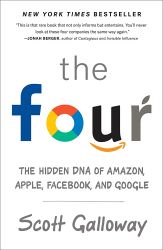
That is, you might count, only eight. The other two possibles are Purgatory, Anthony Esolen’s translation of Dante’s Purgatorio, and a biography of Joy Davidman titled And God Came In. Now, for something completely different: our Tuesday Tease is from The Four: The Hidden DNA of Apple, Amazon, Facebook, and Google.
While a tomato couldn’t outrun her, the gatherer woman still needed to develop the skills needed to assess nuances such as ripeness, color, and shape for signs of edibility or disease. The hunter, by comparison, needed to act fast when the opportunity for a kill presented itself. There was no time for nuance, just speed and violence. Once the prey had been killed, the hunters needed to collect the merchandise and get home, pronto, as the fresh kill and even themselves were both attractive targets. Observe how women and men shop and you’ll see that not much has changed. Women feel fabric, try on shoes with a dress, and ask to see things in different colors. Men see something that can sate their appetite, kill (buy) it, and get back to the cave as fast as possible.
I thought it was an interesting observation, but I wonder if the dichotomy between spear-and-seize shopping and browse/study/gather shopping varies depending on what is being hunted for. Most of my shopping as a man is indeed the spear-and-seize variety: I pride myself on my ability to snatch things from the shelf without even even slowing down, freezer units excepting. On certain products, though, like electronics, I’m much more deliberative. The cost and nature of the item is also part of the dynamic, though. For me, the brand of milk doesn’t matter a whit so long as it came from a cow. The motherboard I choose, though, is not only pricier but will determine what CPUs & memory I can use in the future.
“The Harmony Club is a labor of love that will probably be in progress until the day I die. There is always a project that I’m working on, but best part is that I call the place home.” – David Hurlbut, 2012.
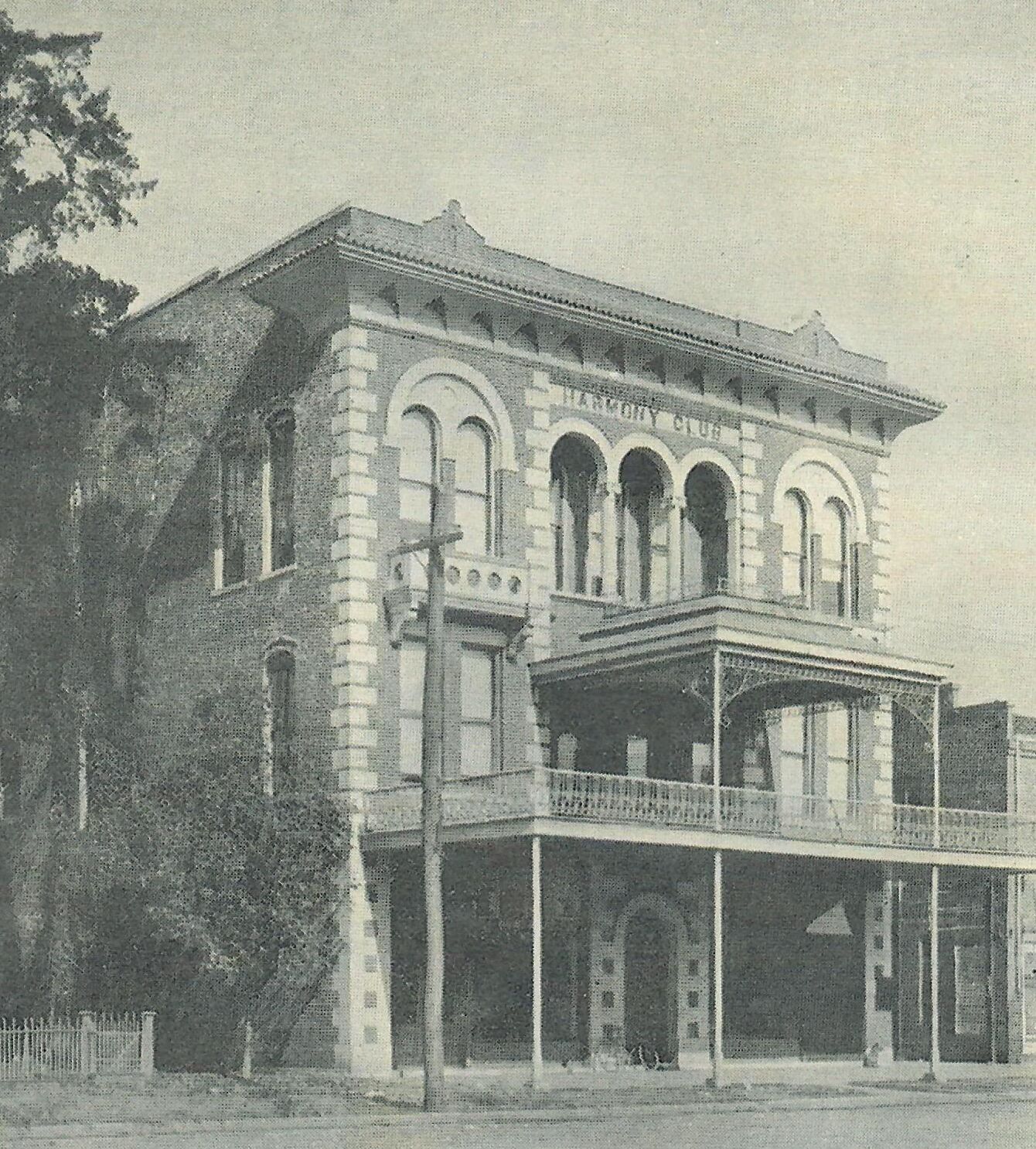
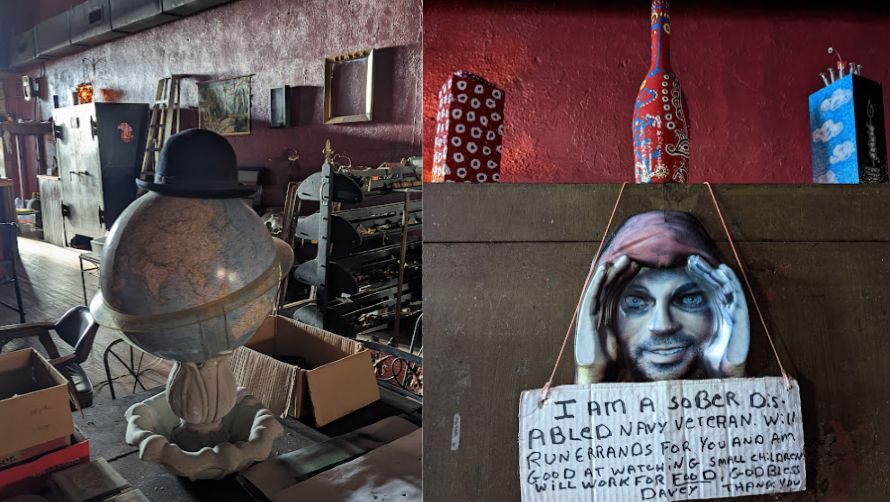
For the last few years, I’ve had the good pleasure of hanging out at one of Selma’s more remarkable downtown buildings, the Harmony Club, as its owner treated one of its downstairs rooms as a clubhouse and BYOB bar. In warm weather we’d gather on the sidewalk in folding chairs and watch the traffic; in colder months, we’d huddle inside, bellying up to the bar itself and warming our bones with chili or burritos. The space has all the appeal of a bar — a convivial space to meet with friends to drink and talk — without the pricetag, since we bring our own. The building was sold in 2022, and its new owners will soon begin finishing the restoration work begun by a friend of mine in 1999: those of us who gathered there several times a week for company, movies, and the sharing of grub and gossip will, within the year, find ourselves “Third Place” orphans. Before the HC as I knew it passes into history, I wanted to share what I know of the building, and to reminiscence about my time in it. I like distinctive Places, and the Harmony Club is the most unique in Selma.
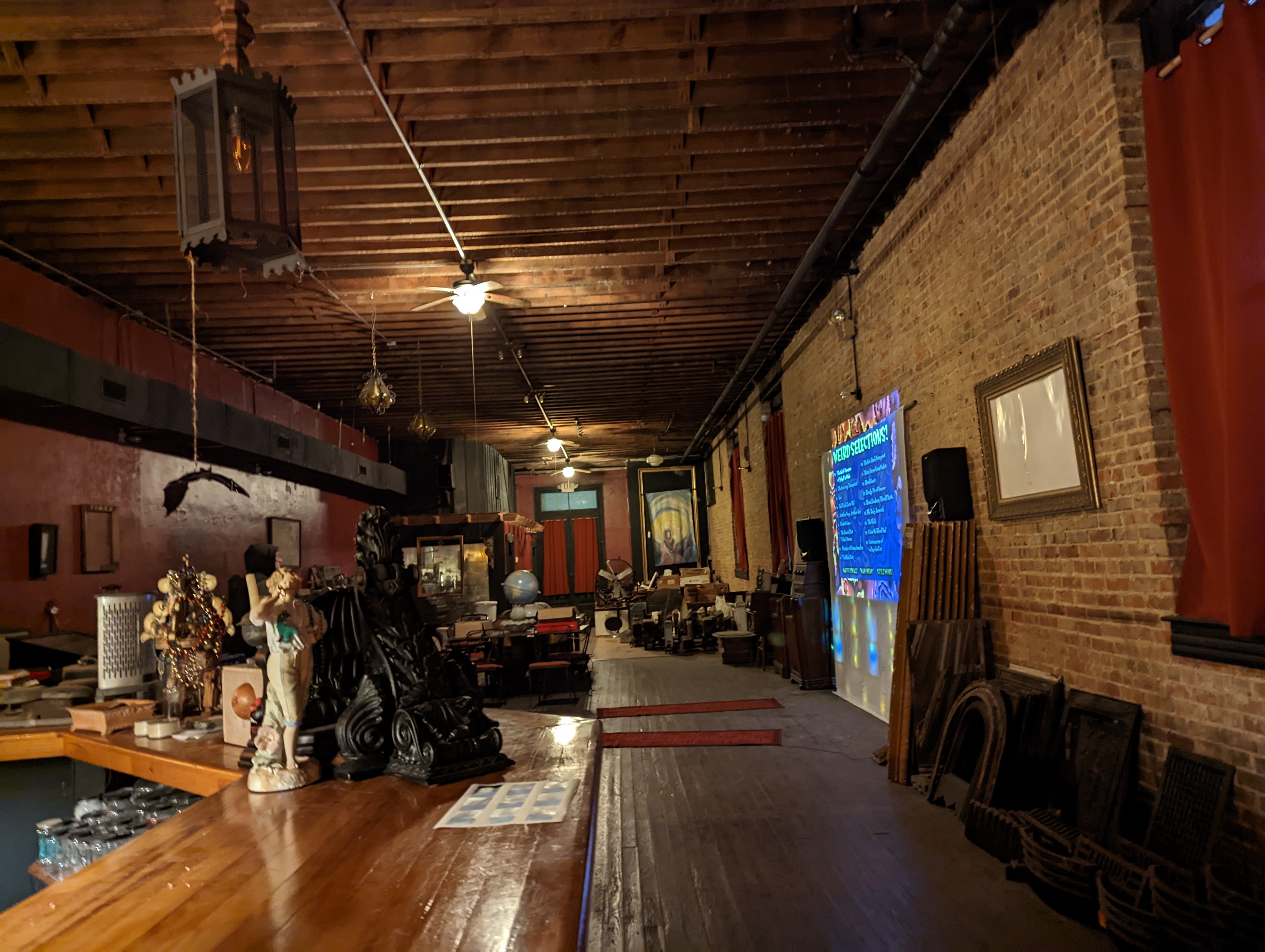
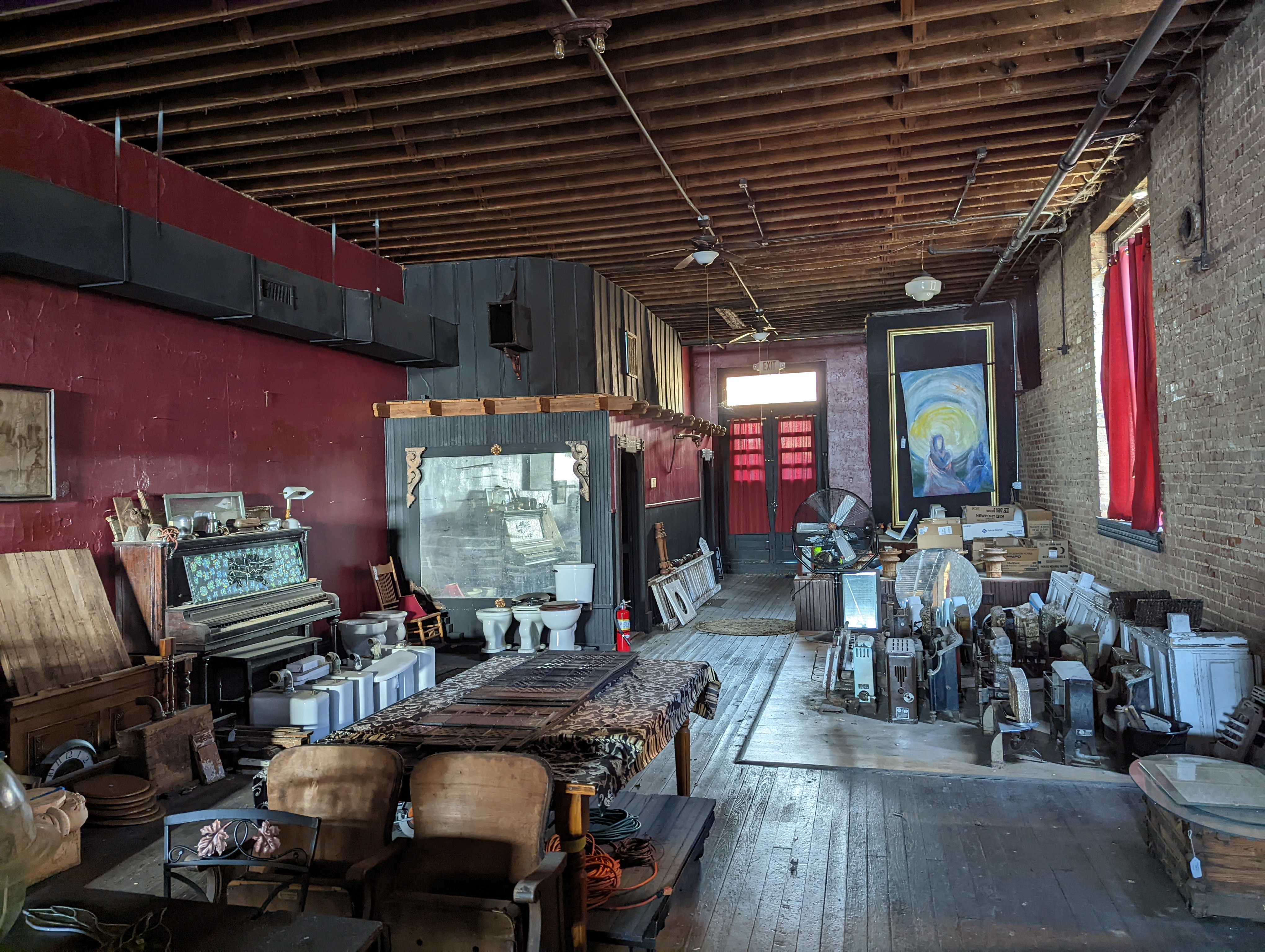
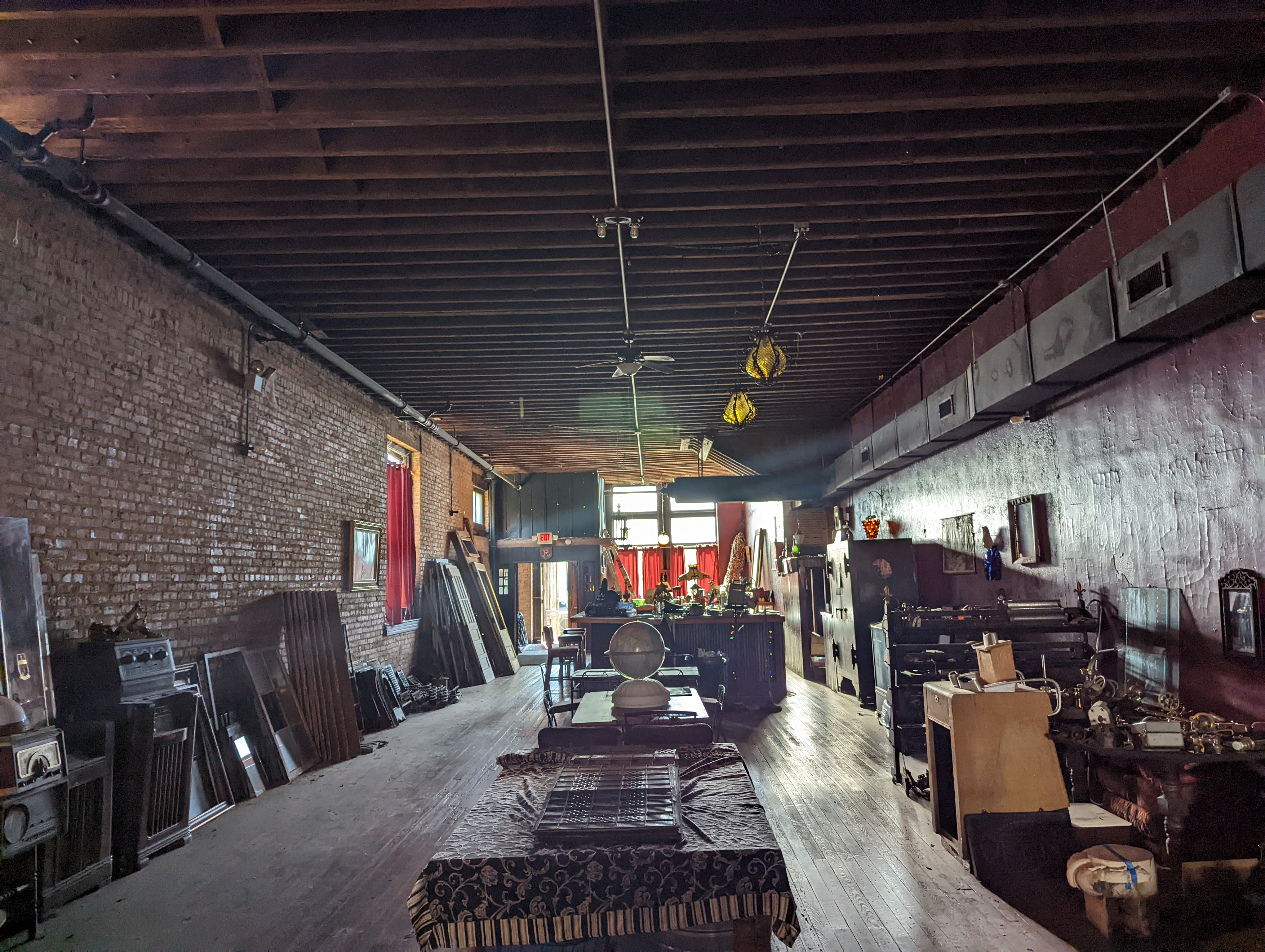
The building is so named because it was created to be the headquarters and social hub of the Jewish social organization of the same name. They’d existed in town for forty years before opening their new building on November 4th, 1909. The two upper stories were used by the club, and featured a ballroom, a dining hall, and a smoking lounge: the lower story was split into two spaces, both of which were rented out to local businesses like the Selma Times-Journal, or to insurance companies. By the 1930s, the building had passed into the hands of the local Elks Lodge, who hosted community dances and recitals in the third story ballroom. These owners left their marks on the building: if one studies the floor, marks made by poker table chairs, illicit game machines, and dropped cigarettes are apparent. The deteriorating front balcony was removed in the late fifties, possibly precipitated by an auto collision with the supporting pillars. The Elks abandoned the HC’s upper stories in the 1960s, which became a pigeon-roost and rat-warren, until in 1999 an industrial architect with a passion for preserving unique structures arrived in Selma. David J. Hurlbut brought the place back to life, attacking both pigeon droppings and dropped ceilings, and created bar and restaurant spaces downstairs while he and friends lived upstairs. (The third-floor ballroom was turned into an epic private movie theater, with four king-sized sheets sewn together as a screen.) For David, the Harmony Club was a cathedral and a castle. The long bar itself was created by David, who used wood from a bowling alley, and rented the space to a commercial bar who wanted to relocate from their cramped quarters elsewhere in town. That renter eventually moved on, intending to buy her own building, and the long bar and its space became David’s architectural-artifact showroom.
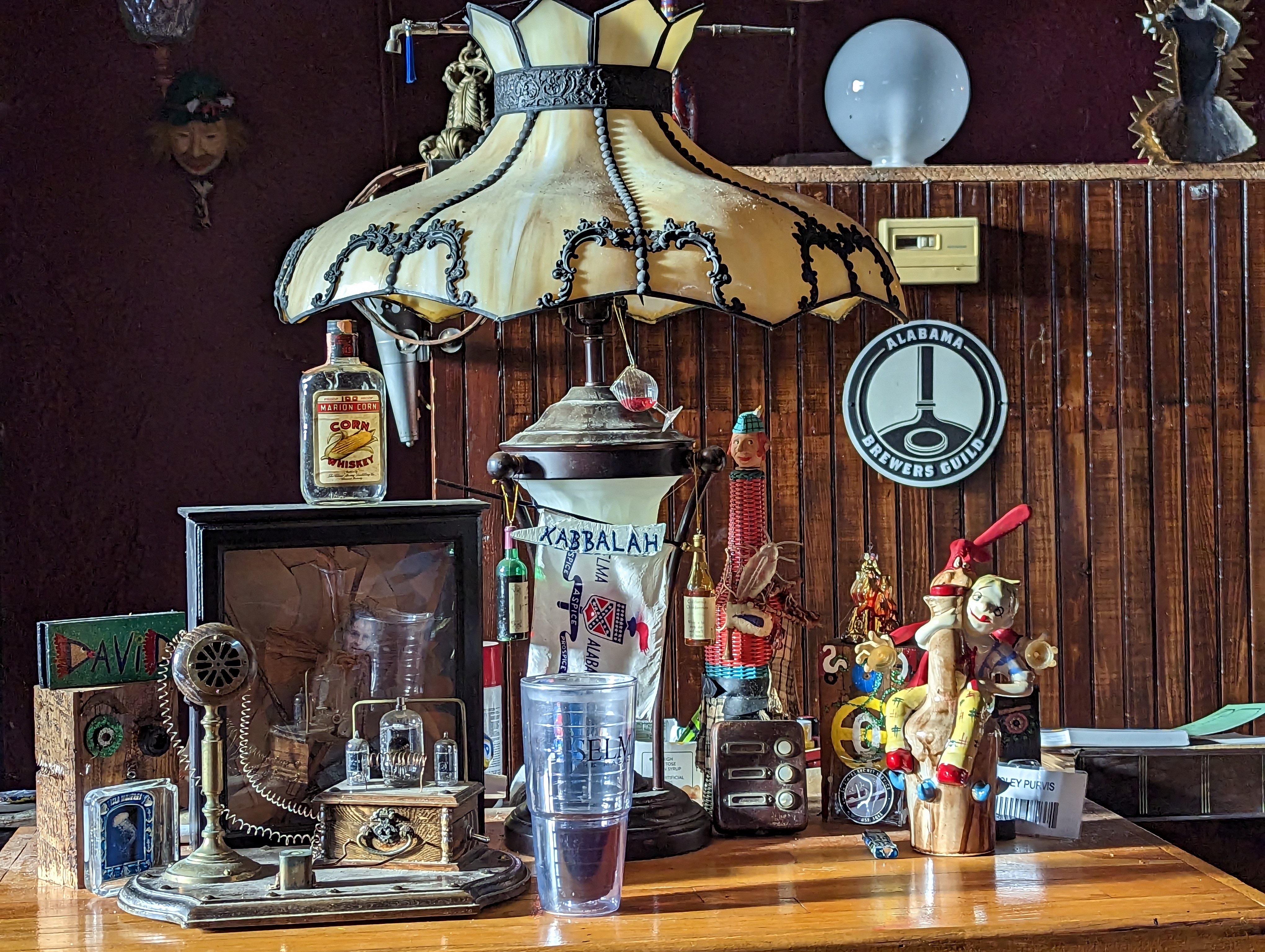
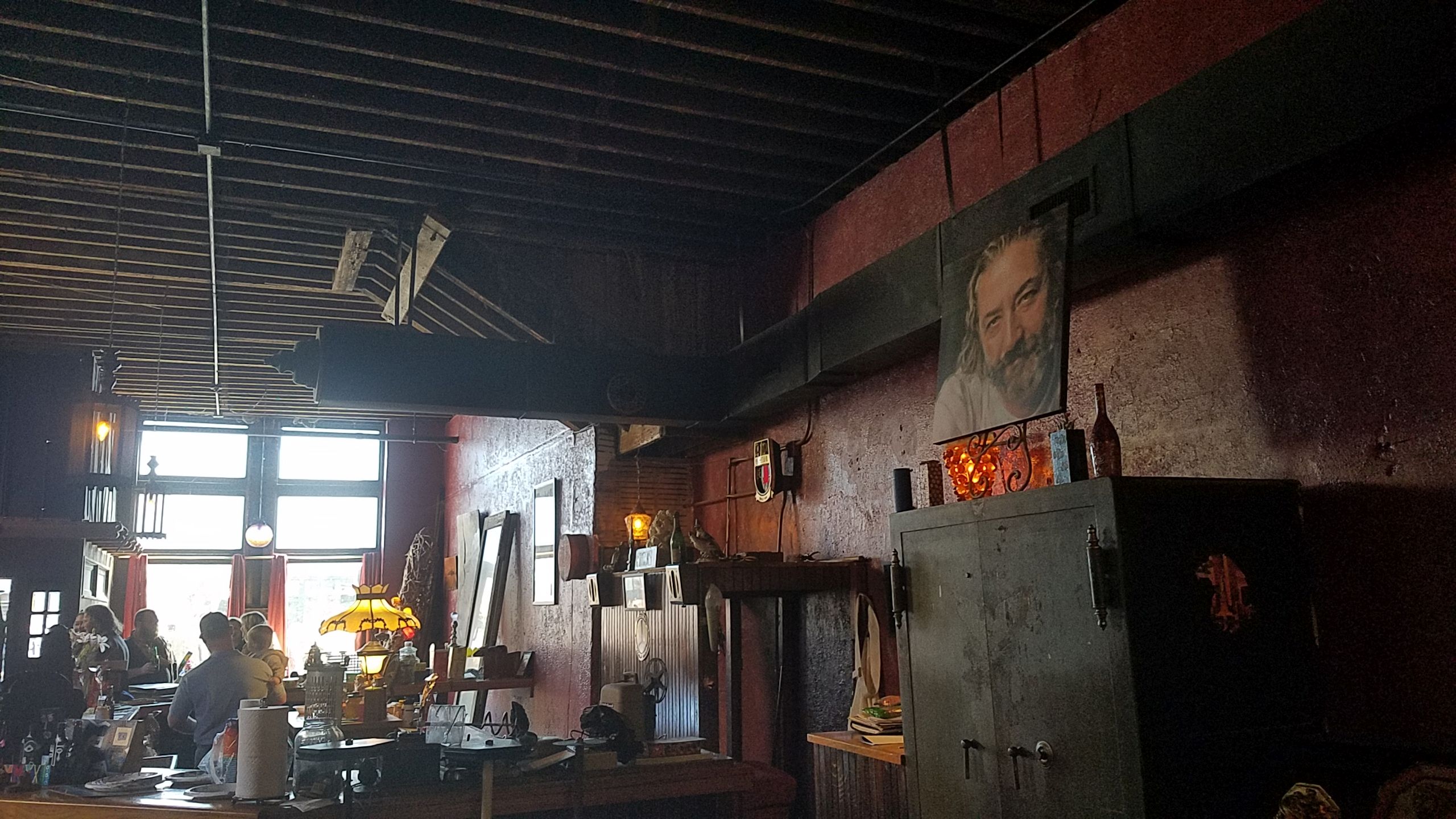
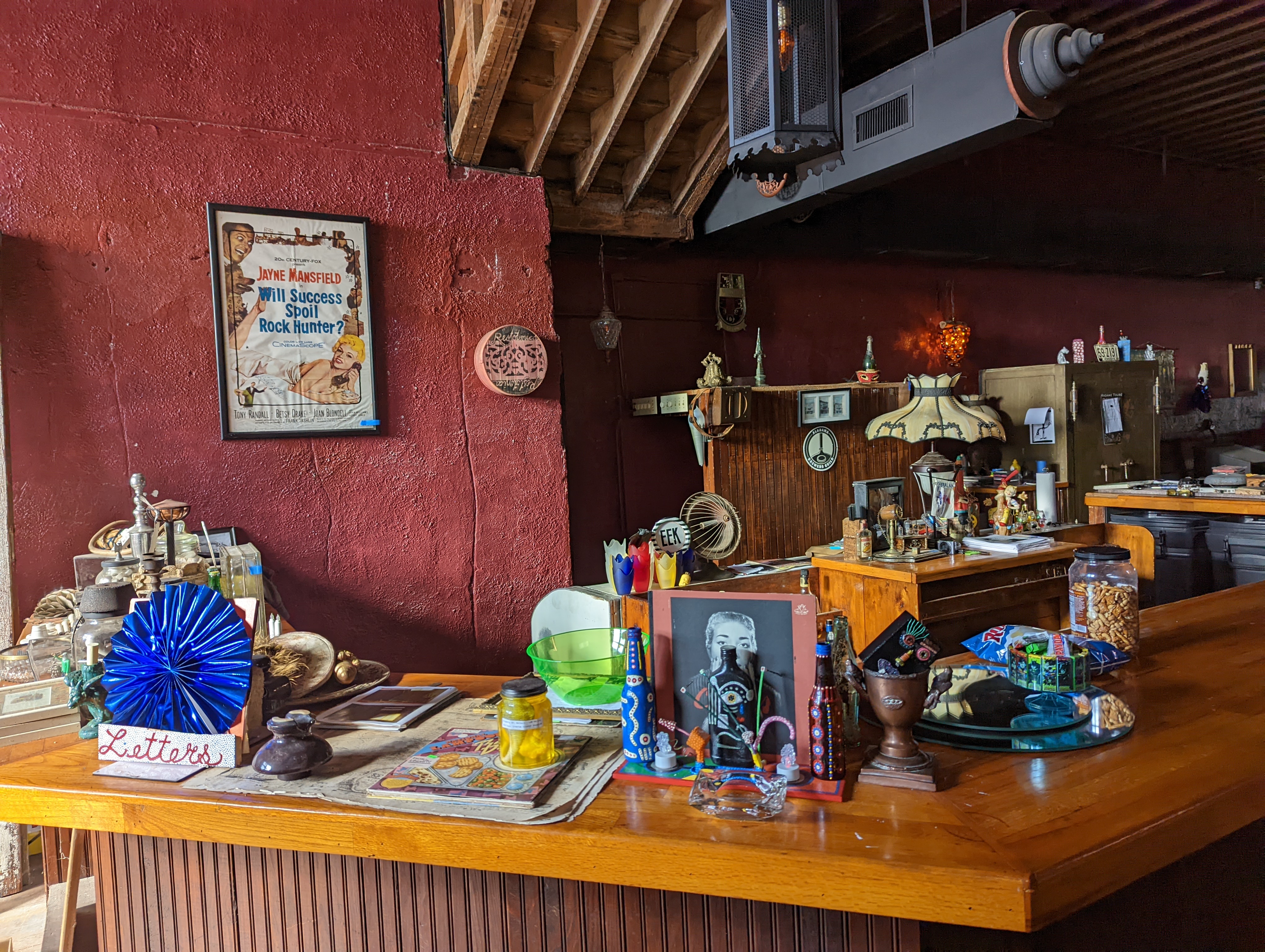
It’s impossible to succinctly describe the sheer variety of stuff in that room, which used to be packed with oddities. To be found there were old toilets, sinks, doors, and pillars – but also X-ray machines used by shoe stores who used them for sizing fits, and first-generation television sets, along with more expected antique items like older chairs, tables, and lamps. David bought and sold these antiques on the side as his private passion; they were ‘beer money’, as he exclaimed whenever he made a sale. The space, big as it was, was filled with these elements – but there were also the oddities, as he was passionate about art and made his own ‘steampunk’ pieces, in addition to occasionally showcasing pieces from local artists. These showings gave life to an official organization, ArtsRevive, which acquired its own building – but the HC continued to collect and show more eccentric pieces. These pieces and the place’s general decor make it a place unlike any other, and over the years I’ve grown to genuinely love it as a physical place, even aside from the good times I’ve had inside: its bizarre collection of found-and-created articles, of random decor, slowly grew over time into an ever-changing but reliably weird mosaic of space. When I began looking through my photos to find some appropriate ones to share here, I was amused by the multitude I’d taken, and of areas that aren’t picturesque, like the exposed ceiling beams made of old-growth oak. The bar area has this unique feel to it: the brick, old wood, and dark interior always make me think of an old-fashioned men’s bar, but the random furniture and crazy art put a light twist on a space that might have seemed intimidating otherwise. Especially dear were the oddities that had stories connected with them: a strange sign employed in a prank from fifteen years ago, for instance, or a petit four box decorated with Jane Mansfield.
The bar at Restotonica on the day of David’s funeral
The bar-turned-showroom, which David called Restotonica, occupied the left side of the HC’s first story. The right side, separated from Restotonica by a staircase and walls, was rented by several restaurants, the last of which was Charlie’s Place. David developed the habit of sitting outside the Harmony Club and yakking with tourists or visitors to the restaurants, sharing facts about Selma history or architecture, and inviting them in to take a look at his antiques. David’s friends often joined him at this, and it became a salon of sorts – a weekend drinking-and-yakking circle, where people of all kinds would stop and talk. This made it a refuge for me in 2020: when everything else was closed, the Sidewalk was open. The Sidewalk gang had its regulars and semiregulars, though the circle grew smaller and closer after David died in early 2022. He’d sold the building not long before, though the closing was a year away – so the Sidewalk has continued meeting in his honor, and by the grace of the building’s new owners and David’s last roommate, who has been the building’s steward in its last year or so. I’ve spent many a happy hour outside or inside – enjoying breakfast with friends on Saturday mornings, watching movies on Wednesday nights, or just holding down a bar stool on Friday and Saturday nights and yakking with whomever comes in while listening to music from across the world. We’ve watched parades and drunken karaoke across the street, gotten to know Secret Service agents who’d pop in for a chat during a visit from DC , watched brilliant sunsets, bizarre traffic and pedestrian goings-on, and sent off a flying lantern in memory of our departed. I don’t know when we’ll watch our last movie, share our last meal, or use the bottle-openers David screwed onto the utility pole for the last time, but I intend to savor every moment that I can until the Sidewalk closes for good. The building’s new owners intend to complete David’s twenty years of restoration work, culminating in the recreation of the old covered balcony. If that happens, I’ll be all the happier for Selma, and for David’s memory: he’d beam to see it, I’m sure. However glorious it turns out, though, I suspect part of me will always want to come back to the Sidewalk and the long bar as I knew it — this crazy, colorful, intimate and storied spot where I rode out hurricanes and heartaches, celebrated birthdays, and heard too many wonderful stories to remember.
It’s déjà vu all over again. Sergeant Jack Tanner, only recently arrived back in England from the doomed British defense of Norway, has been sent to France with the British Expeditionary Force – only to find the BEF forced to conduct a fighting retreat, let down by French allies who are led by old men paralyzed by indecision and stupefied by Blitzkrieg. To make matters worse, an old enemy and Cain-like brother in arms named Blackstone is his company sergeant major, and he’s arguably more dangerous than the Wehrmacht – at least, to Tanner, who has a talent for small-arms action that makes The Darkest Hour a superb work of military fiction.
I was introduced to Tanner via The Odin Mission last year, thanks to Cyberkitten’s tip, and enjoyed it so much that I sent for the other two books from England itself, and enjoyed it enormously – appreciating the way Holland made his hero Tanner confront personal and military challenges at the same time, by having him fight continually with an absolute ass of a French ally while their isolated group attempted to make its way through the Norse winter and avoid falling into the hands of Hitler’s army. That formula is replicated nicely here, and suffers nothing for it: again, Jack’s group is cut off from the main body of troops, this time because they attempt to save an incredibly ungrateful crashed airmen, and Tanner is continually sabotaged, undermined, and outright attacked by a malicious, cowardly, and criminally industrious officer who knows Tanner is a threat to his career and blackmarket schemes. To make things more interesting, there’s a very embittered Waffen-SS major who Tanner’s men succeed in humiliating by knicking four trucks from under their noses, and then taking POWs – and he’s out for revenge, nevermind the whole establishment of the Aryan world empire thing.
Darkest Hour made for excellent reading, especially since I’m familiar with the evacuation at Dunkirk but not of the often confusing retreat that led to it. Holland’s subtle use of little historic details (the peppering of slang, enough to add flavor but not enough to make the reader conscious of it), imminently sympathetic and admirable main character, and the varied action all work to make this a solid hit. The SS-man borders on being an over-the-top villain, but this is the SS. If you’re wearing comically evil skull and crossbones and black uniforms, you can be an over-the-top villain.





 Reading Freely