"They cannot conquer forever!" said Frodo

Lewis expressed a similar thought in his nonfiction, The Weight of Glory:

“A sick society must think much about politics, as a sick man must think much about his digestion; to ignore the subject may be fatal cowardice for one as for the other. But if either comes to regard it as the natural food of the mind—if either forgets that we think of such things only in order to be able to think of something else—then what was undertaken for the sake of health has become itself a new and deadly disease.”

My strategy for surviving this nadir of politics has  been to keep the advice of a letter to the Philippians in mind:

Whatsoever things are true, whatsoever things are honest, whatsoever things are just, whatsoever things are pure, whatsoever things are lovely, whatsoever things are of good report; if there be any virtue, and if there be any praise, think on these things.

Kahlil Gibran, too, is helpful:

“Yesterday we obeyed kings and bent our necks before emperors. But today we kneel only to truth, follow only beauty, and obey only love.”

They cannot conquer forever, as Sam said…the sun will shine again.

Posted in quotations | Tagged | 6 Comments

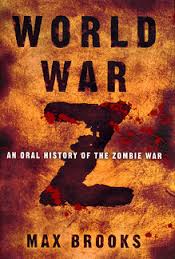
World War Z

World War Z: An Oral History of the Zombie War
© 2006 Max Brooks
352 pages


Reading Night of the Living Trekkies put me in the mood for more weird fiction, and World War Z fits the bill!  Fictional, but not a novel, it presents itself as an ‘oral history’ of the great zombie war — one that began as a medical crisis before metastasizing into a global struggle to survive.

 The writing is clever;  this isn’t the retelling of an action novel, but a depiction of global society  reeling under the threat and changing to take on new circumstances.  Early on we see nation-states struggling under waves of refugees, the stresses producing conventional warfare. As the epidemic morphs into a war,  we are with the soldiers and generals who realize how poorly suited modern warfare is to fighting the undead.   Zombie hordes have no supply lines to guard, no officers who can be shot,  and no problem replacing fallen comrades: every enemy they kill reanimates to fight for the horde.  Destroying their bodies merely slows them down; death necessitates headshots or decapitations.    The author has a good handle on how diverse the human race is;  the plague has different names throughout the globe, depending on how it was first discovered.  This can lead to tragedy;  one name for it, “African rabies”, lead people to think that rabies  inoculations would keep them safe.

 Responses to the threat vary by nation; some survive, some vanish, and some — Cuba, incredibly — thrive.  The author also create some sense of the psychological toll the war is having on people, through the creation of ‘quisling’s, humans who pretend to be zombies. It’s not simply a matter of playing possum; they actively live as the undead, even trying to eat people.  Civilization doesn’t collapse completely; although strategic retreats abandon much of the planet, castles and strongholds provide safer areas where abandoned material can be refashioned into tools for war. The war has a strange combination of modern and medieval;  airplanes are used only for  supplies and recon, and melee combat returns in a big way.  The American infantry’s favored melee weapon is a combination spade and axe, the Lobo.

With characters from across the planet, and a similarly diverse set of pondered topics, World War Z  must be the most intelligent zombie fiction out there!

Posted in Reviews, science fiction | Tagged , , | 2 Comments

Week of Enchantment: Nerd on Pilgrimage

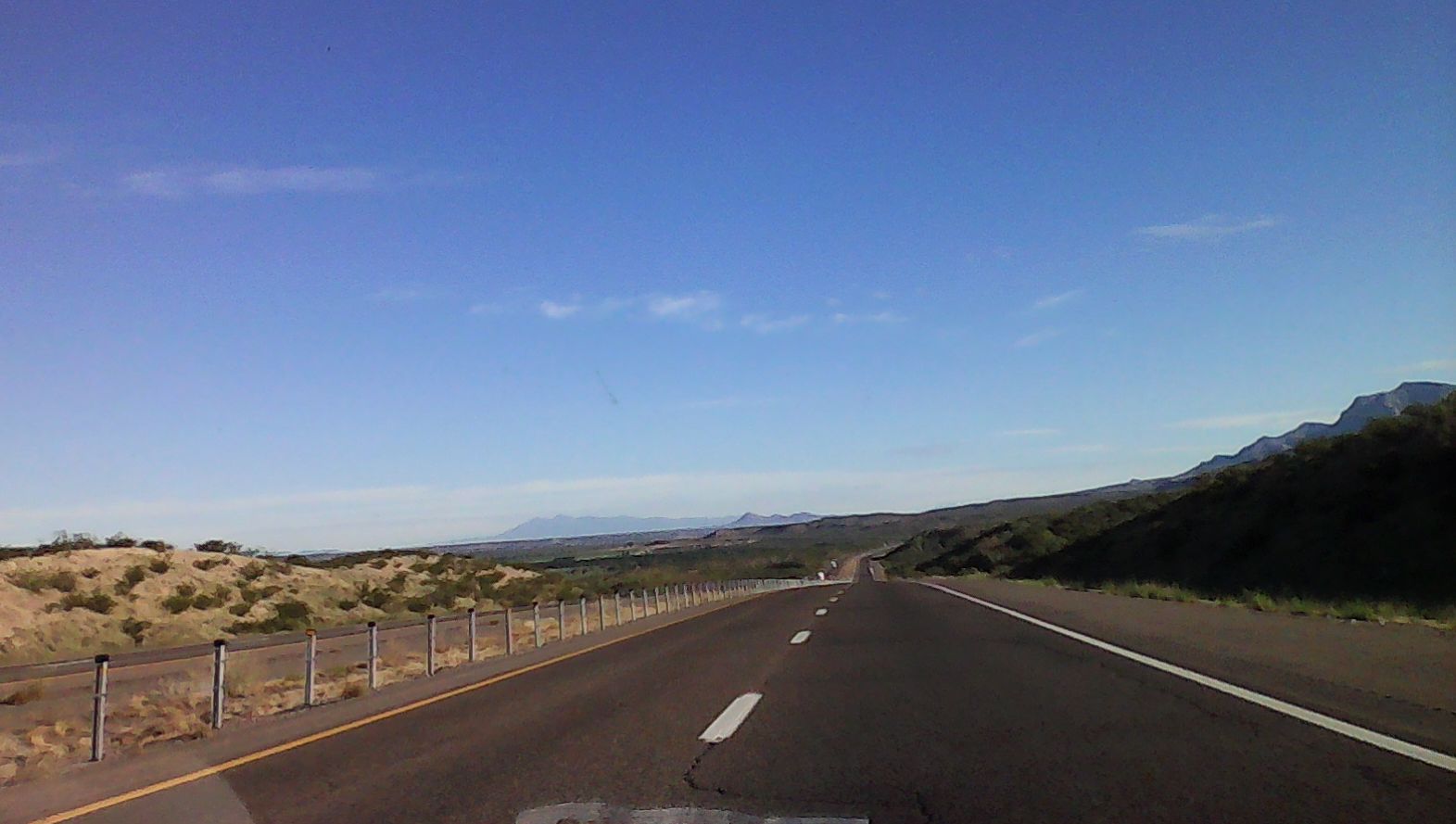
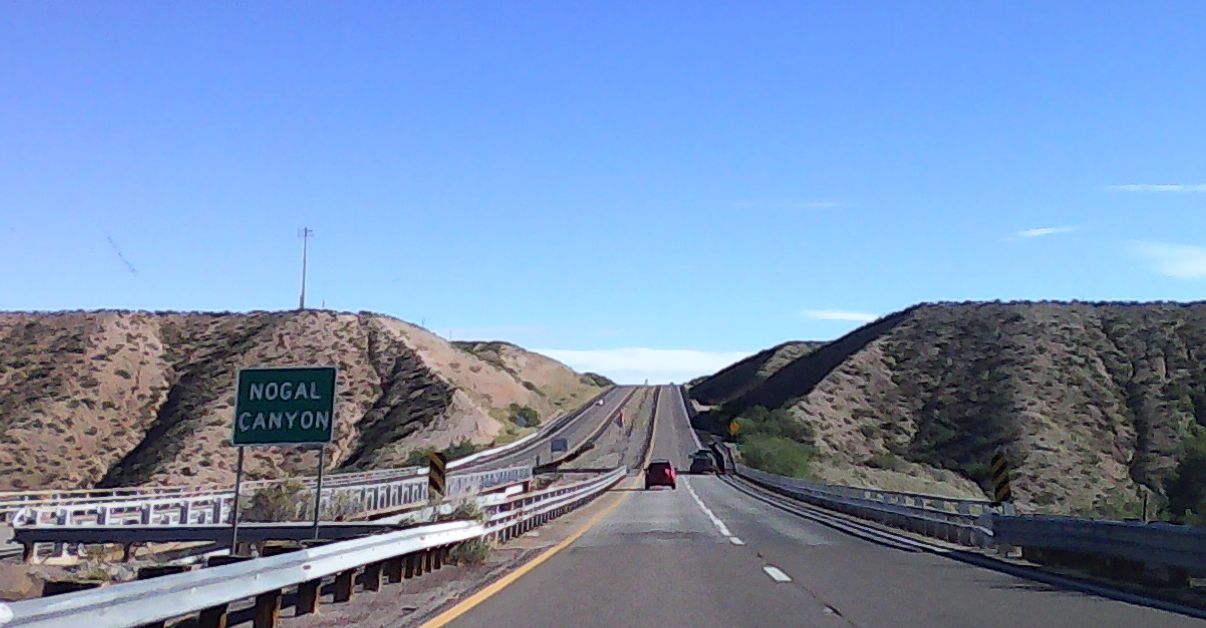
I left Las Cruces in the early morning, joining the interstate with no problem at all. This was,  I realized with a sigh, my last Epic Drive.  At some point today I would arrive in Albuquerque, and from there I would only go as far as Santa Fe, barely an hour away.  The thought of metropolitan traffic made me nervous; until this point, the largest city I’d driven in solo was Montgomery. (It may be the ‘big city’ to we peasants, but it’s a mere 300K souls.) But what’s an adventure without daunting confrontations?  Into the unknown! Drive on,  and on, and on!
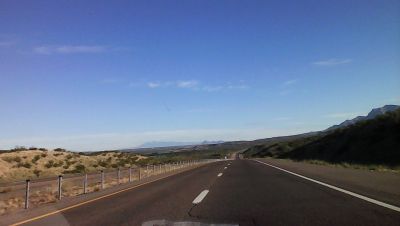
I passed through my second border patrol thirty minutes north of the city, and found it a far quicker process than before, possibly because the interstate created more traffic and they had no interest in delaying the process.   Just as I left, though, I ran into my first problem: a mysterious noise, quite loud, and one that changed how the car felt. I changed lanes to see if it was a pavement issue, but it continued. The noise seemed to diminish as I slowed down, but it was still present and alarming. Some small part of my brain  wanted to panic, but I had prepared for this. I had my car company’s roadside assistance number, I had food and water in the car,  and if  I had no signal,  I could hike back to the border patrol station. If nothing else,  a pedestrian walking on the interstate would magically produce a cop to tell me that walking on the interstate is forbidden.   I pulled over and investigated, but the tires were intact and nothing was hanging down from the car’s underbelly.  Its insides looked…well, intact.  Restarting the car produced the same noise as I got going.

What to do, what to do?  I needed to Decide, because every mile I drove was a mile I’d have to walk back to the border patrol if I had no signal. I kept going, though, tempting fate,  figuring I’d see if the noise changed as I drove faster or slower. As I drove, I realized the car was still performing; it just felt…….different. I could feel wind even though I’d turned the AC off. And the noise didn’t seem to be coming from the engine, but from behind….me….

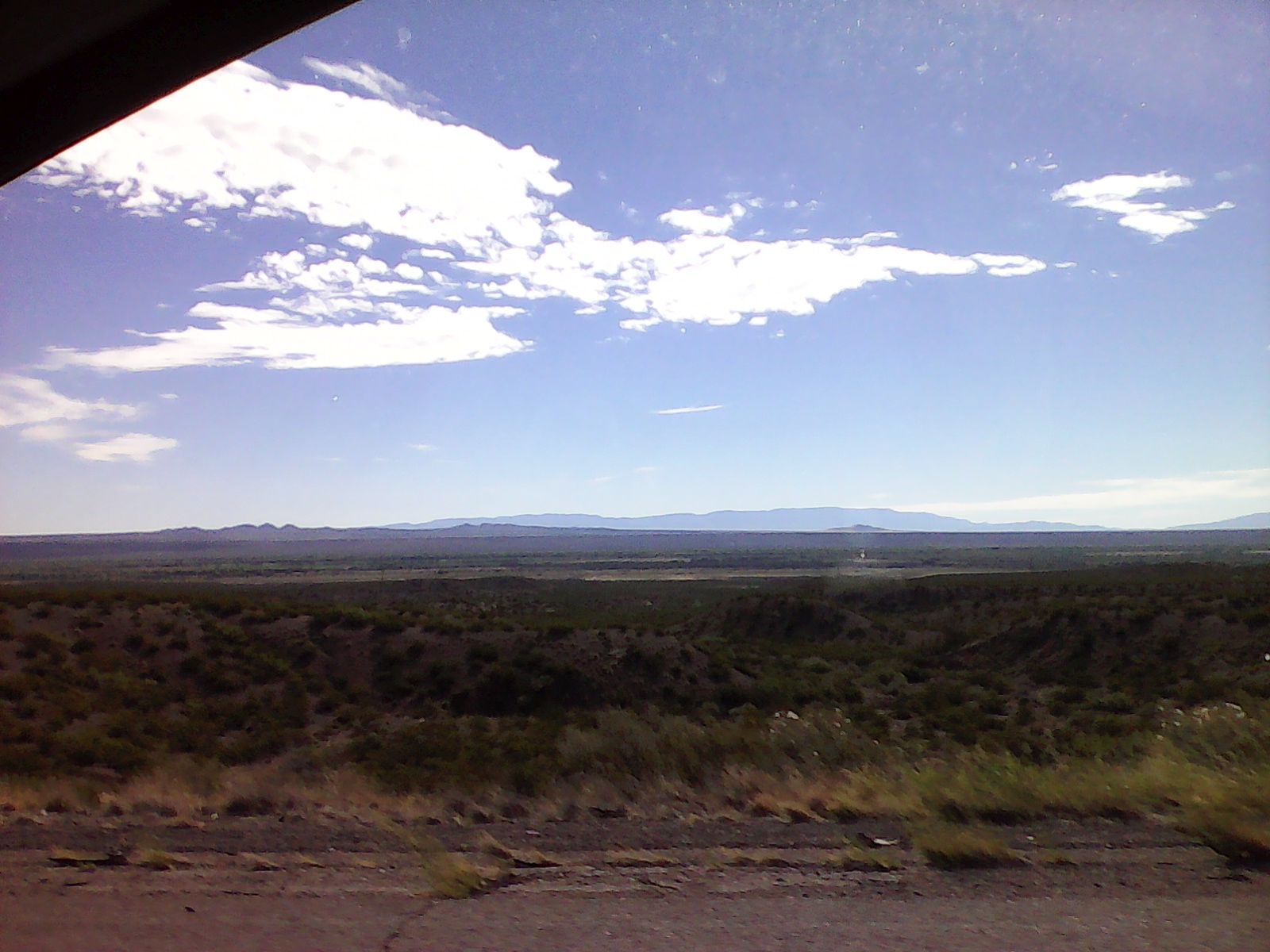
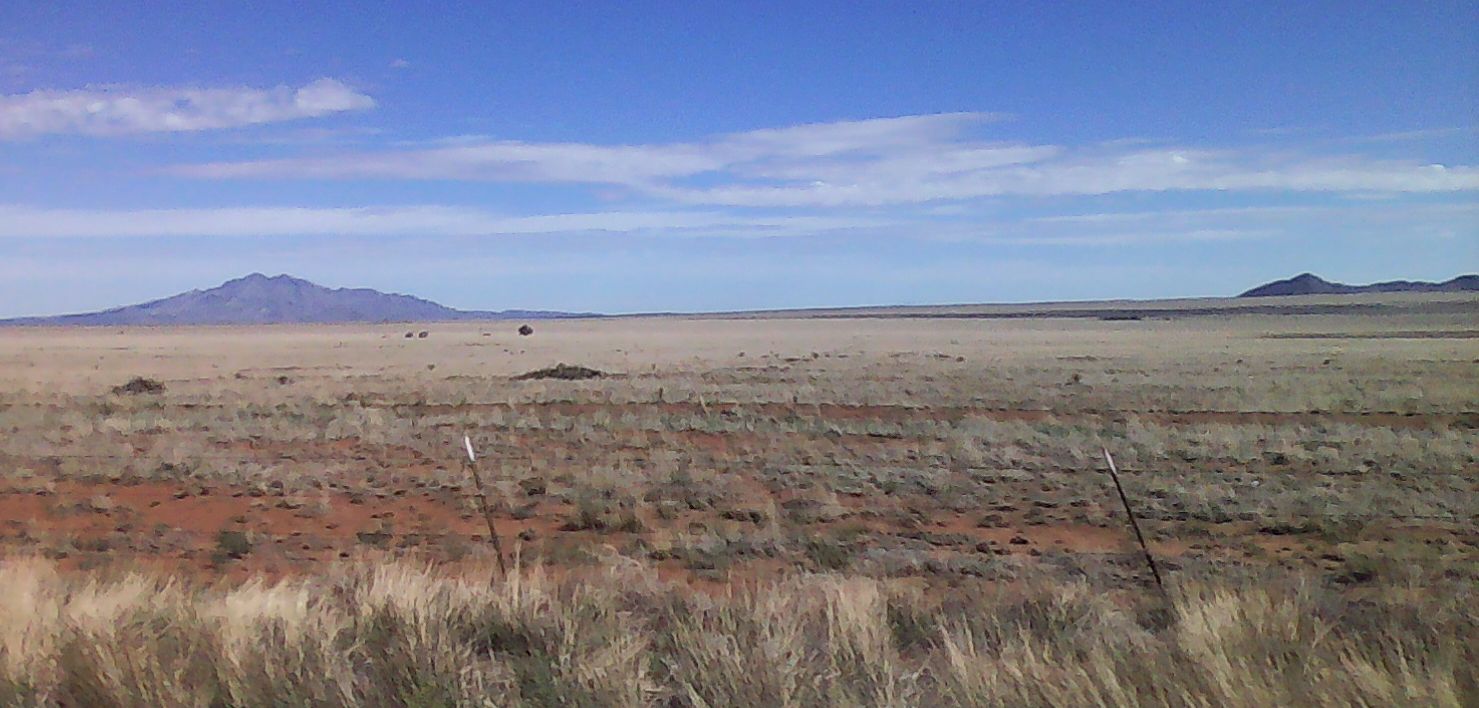
I turned around. Sure enough, the rear-left window was down. I’d accidentally rolled that window down while trying to roll down my driver side window, for the border patrol, and not noticed it.  I had a good laugh at myself, and then commented aloud that I was a thousand miles from home; if I only made a fool  out of myself once a day, I was doing pretty good.    Crisis solved, I blitzed ahead, enjoying the phenomenal landscape. There were mountains behind me, mountains before me, mountains to my left and to my right. This was no valley, New Mexico is merely all agog with mountains. I’d seen so many mountains at this point I’d stopped trying to name them. (I’ve mentioned that I still don’t know if those were the San Andres or Sacramento mountains near Alamagordo, behind White Sands.)

My target was Socorro, the interstate exit that would lead me further into the interior, on a pilgrimage of nerdnance.  In the plains of San Agustin,  fields the size of New York City,  SCIENCE was afoot. I was enroute to the Very Large Array,  the place featured in Contact and Cosmos.  This wasn’t just a museum — this was an actual science facility. The telescopes I would see weren’t monuments,but tools at work.   Carlsbad, White Sands, and the Very Large Array: the objects of my desire for months.

Socorro County

I didn’t realize, though, how vast New Mexico counties actually were.  Half an hour of driving through Socorro County at speeds over 80 MPH, I couldn’t help but notice that Socorro proper wasn’t appearing on the signs anymore. Albuquerque kept getting closer and closer, and I wondered if I’d somehow missed it. If I continued this way  I would arrive in Albuquerque around lunch,  far earlier than intended and too soon to even check in. What would I do with myself?  I wanted to turn around and ask for directions, but I’d entered a stretch without turnoffs.    After I’d given up hope, though, signs for the VLA turnoff began appearing. I looked up a map of New Mexico later and discovered that Socorro County is enormous; in area, it is SIX TIMES the size of my home county.

A DISH! DISH! A PALPABLE DISH!

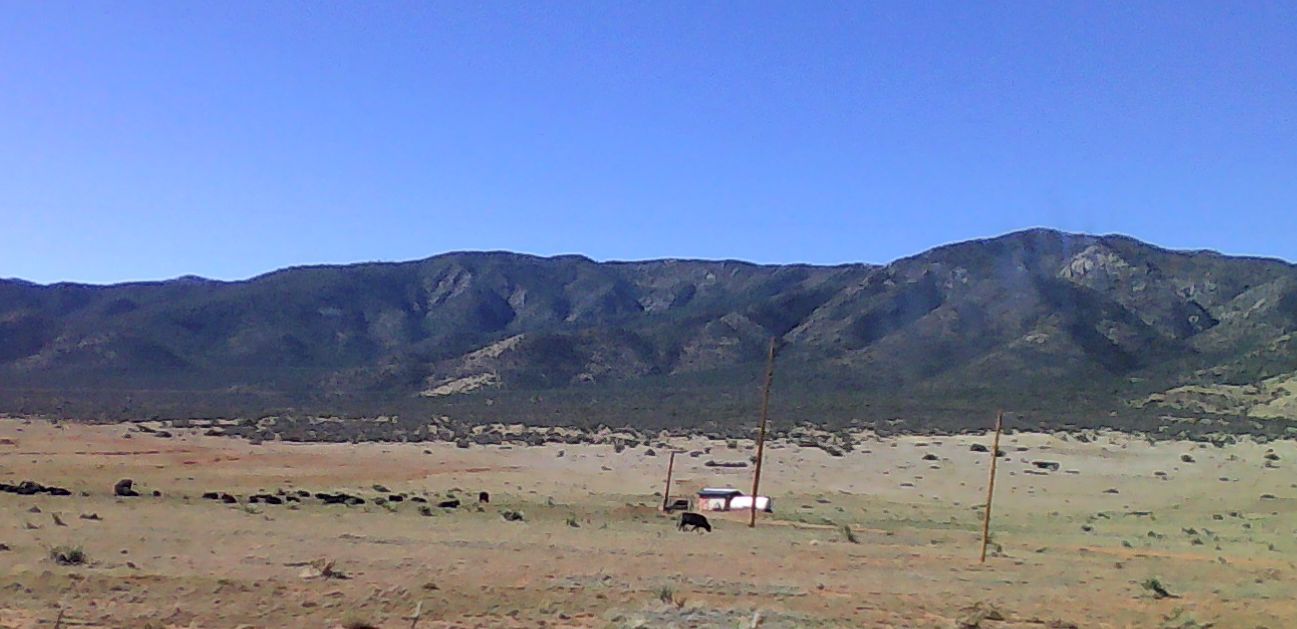
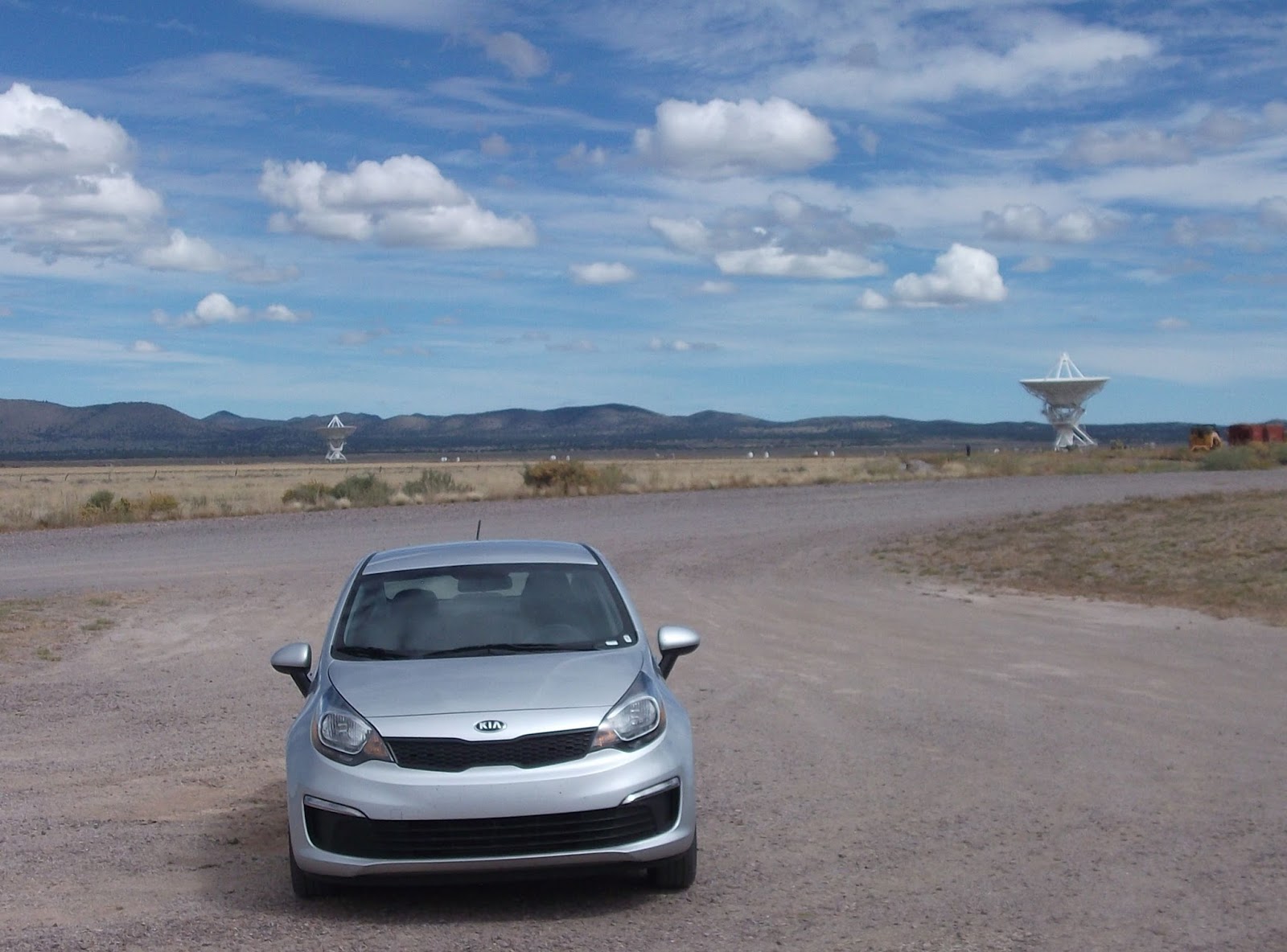
At Socorro, I stopped at a gas station to put a fume or two in the tank (a miracle, that little Kia Rio) and confirmed my directions. After buying a Crystal Pepsi for nostalgia’s sake (and discarding it for taste’s sake), I headed into the Socorro countryside. I found there even more beautiful country. It was….the West. Not the southwest, but the west. There were rolling hills dotted with  shrubbish trees, vast fields of cows, and mountains in the distance.  It was country beauty, but at a grander scale than Alabama pine forests would allow me to see — and soon the plains became even more pleasant to the eye,because they had radar dishes in them!

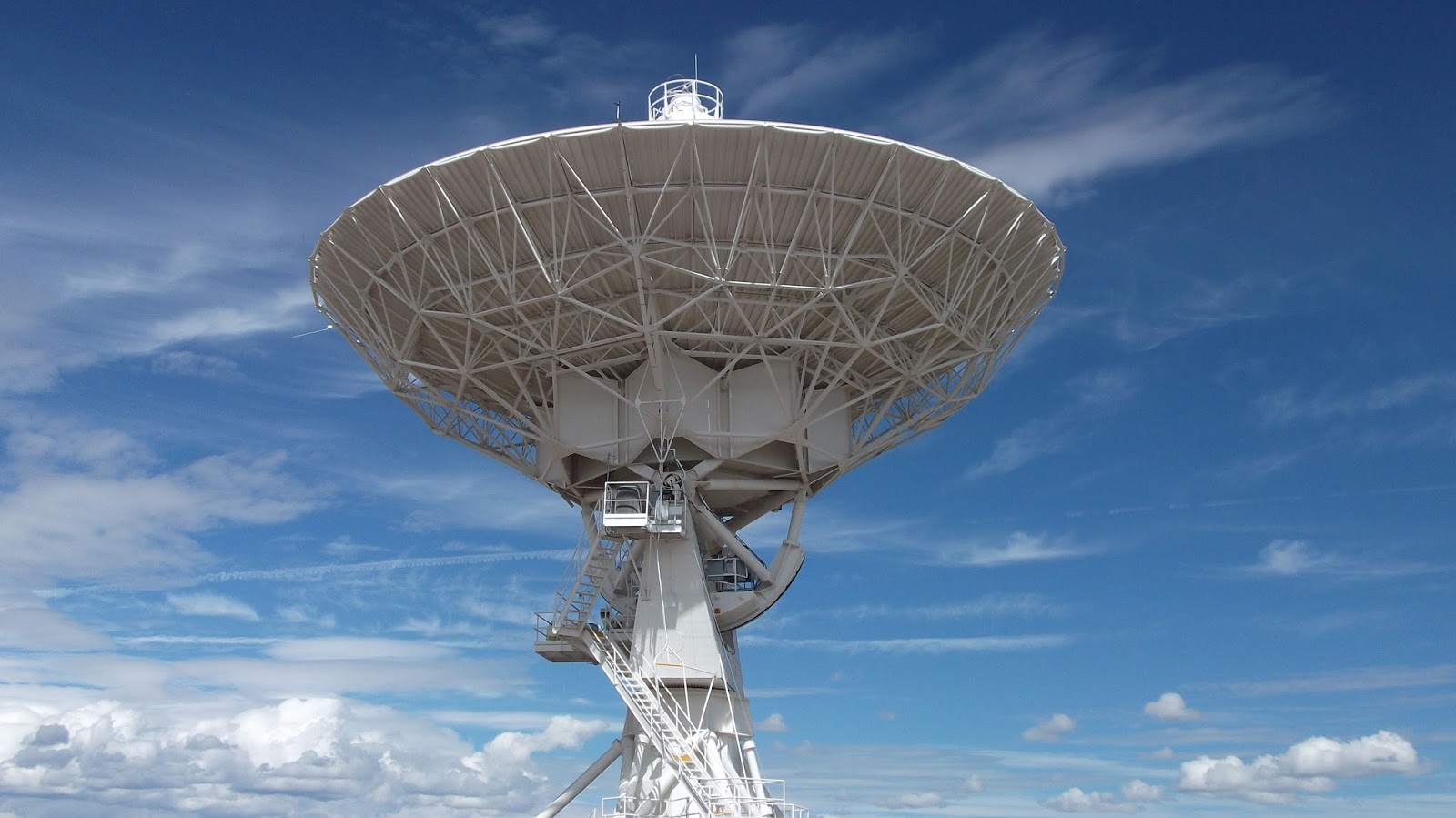
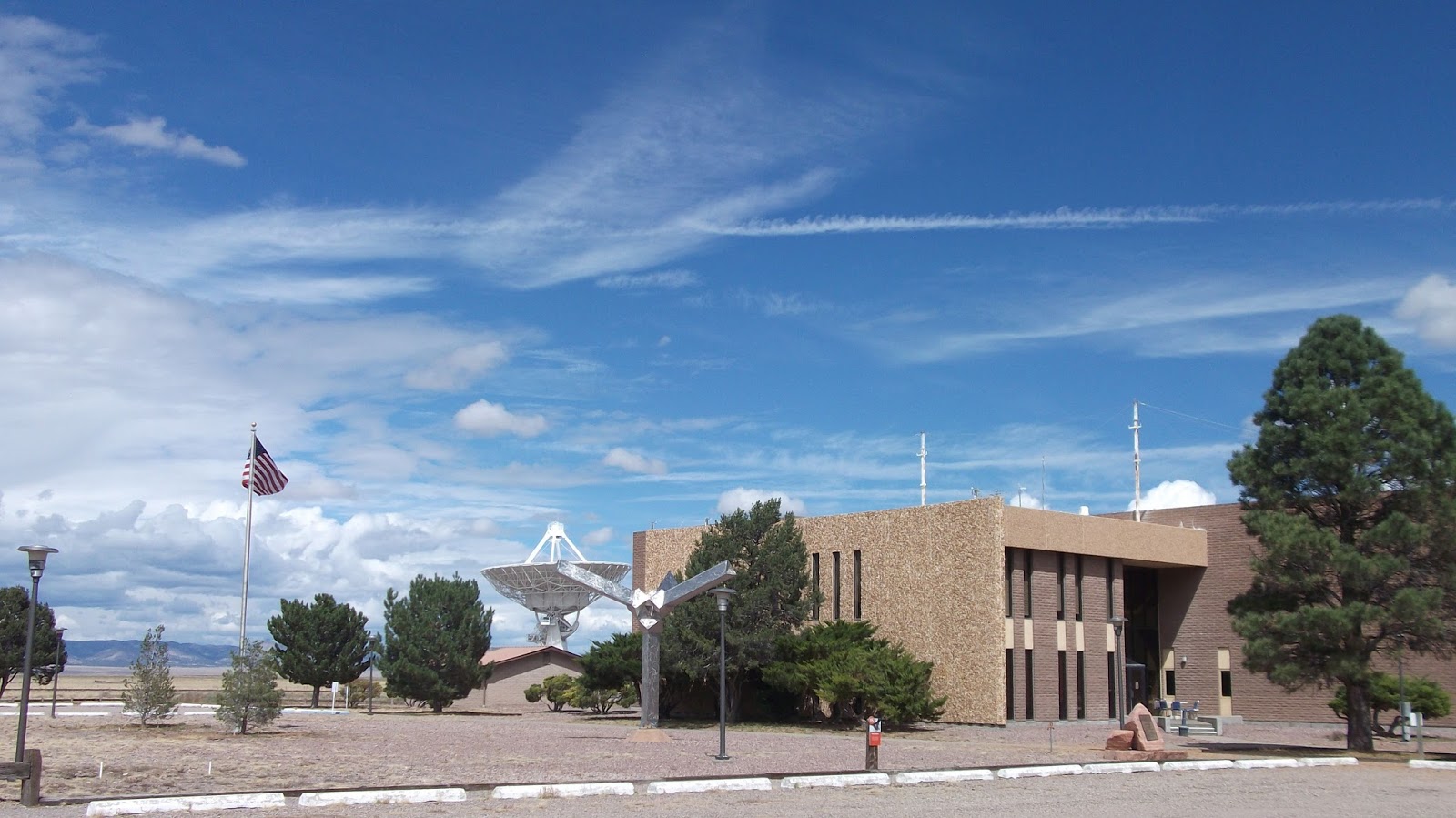
The command center of the dishes sat deep within the plains, four miles from the road, though visitors encounter a museum first. A small theater offered a 20 minute film about the radio telescopes now surrounding us, narrated by Dr. Arroway- I mean, Jodie Foster herself.  I was surprised to learn that the dishes are the mere exoskeletons of their 1970s original selves: their innards have been completely rebuilt to keep the array at the cutting edge.  The dishes are moved — very carefully — by railroad tracks, as it turned out. They’re always spread out in one of three Y patterns, but  even at their closest the dishes are never as tightly formed as they were during the filming of Contact.  (Speaking of which, the dishes continued to collect data even during the movie.)
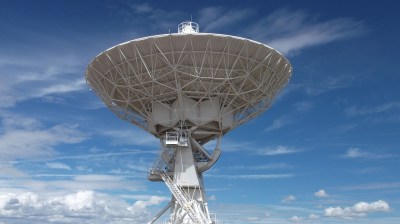
The museum provides a walking tour out to one of the dishes, explaining their mechanics and such, before directing visitors back to the Command Center, where if you stand really close to the window you can distract and annoy an actual scientist. I imagine the rookies are stuck with the window desks.  The data interpretation is done in the city of Socorro itself, I learned, and the people who control the dishes really do have to commute in either from Socorro (50 miles) or Magalena (20 miles).   I’d driven through Magdalena, and be warned: they’re serious about controlling speed. As soon as the limit falls from 65 to 30, there’s a watchful patrolman.

.
The command center! 
My Rio, dubbed “Annie Laurie”. 

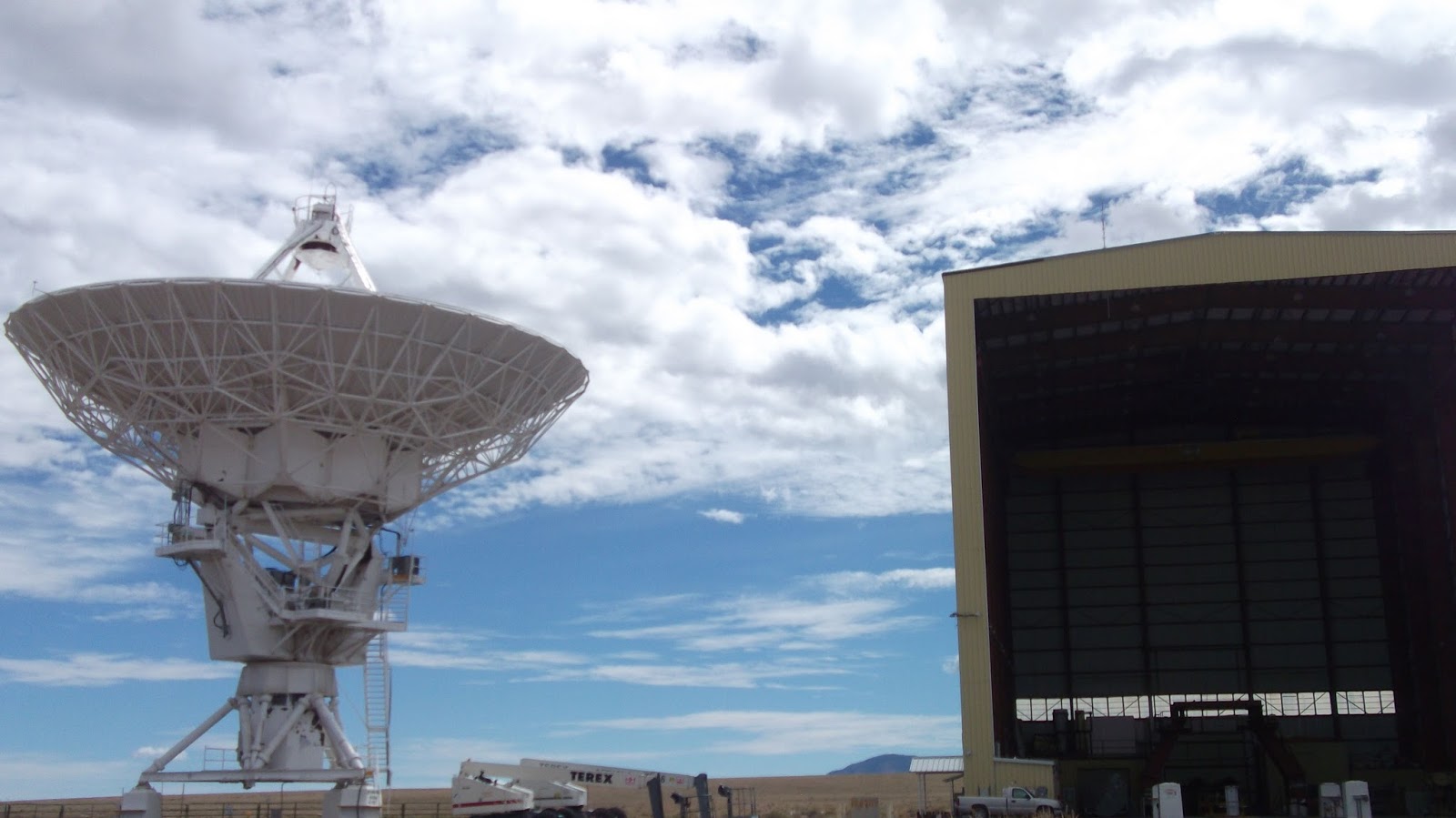
I spent around two hours at the Array itself, between the movies and my lingering walk.  What a sight those dishes were, 95 feet across and casting a great shadow on the land. From the balcony of the command center, I could see one of the telescopes being pulled in, eeeever so slowly. I completed the tour by driving out to the maintenance barn, where I found it is impossible to get both the barn and a dish in the same shot without trespassing.  Having completed my pilgrimage, I returned to the road and ABQ.

As I drew nearer to northern New Mexico, the landscape changed; for the first time  all week (omitting White Sands) I was seeing desert terrain. Canyons, dried creekbeds (sorry, ‘rivers’), and even naked earth.  The closer I drew to Albuquerque, though, the less I focused on the landscape and the more I focused on the road. Two lanes turned into five, a torrent of metal moving at 90 MPH, and I was soon in the thick of it. My task was simple:  transfer from one interstate to the other, then immediately exit it and look for my motel. I’d printed off a Google Earth view and could tell the motels were the largest buildings in that area. It would stand out, but I was rattled by two instances of very nearly being hit, and instead of smoothly moving from one interstate to the other, found myself on a neverending frontage road.  I managed to find my way, though, and the desk clerk at my motel gave me directions for getting into Old Town without the interstate.  I ended the evening by trying a chain store I’d never seen before — Del Taco — and discovered that it makes Taco Bell look authentic. They gave me FRIES with a chimichanga.  Good lord.

Next up…ALBUQUERQUE!   It may be spread across several posts.

Posted in science | Tagged , , | 4 Comments

Week of Enchantment: Las Cruces

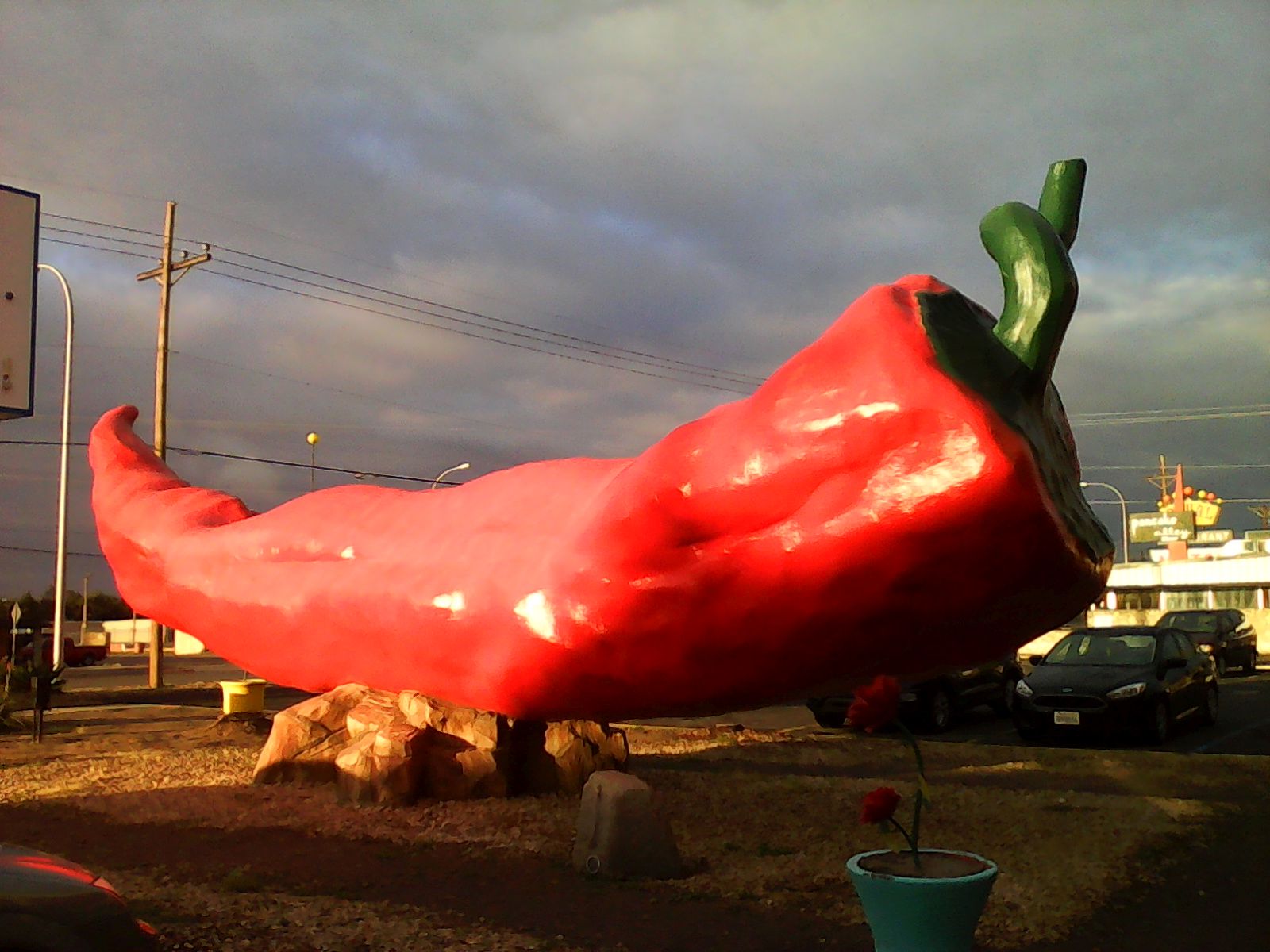
That, dear readers, is always a promising way to start the day. I stayed at the Big Chile Inn, an older place formerly run by a family but now owned by a corporation. Its interior courtyard was lush, and I would end my stay in Las Cruces by lounging happily under palm trees and reading a silly book I discovered while roaming. But the day began with overcast skies, in Old Mesilla.

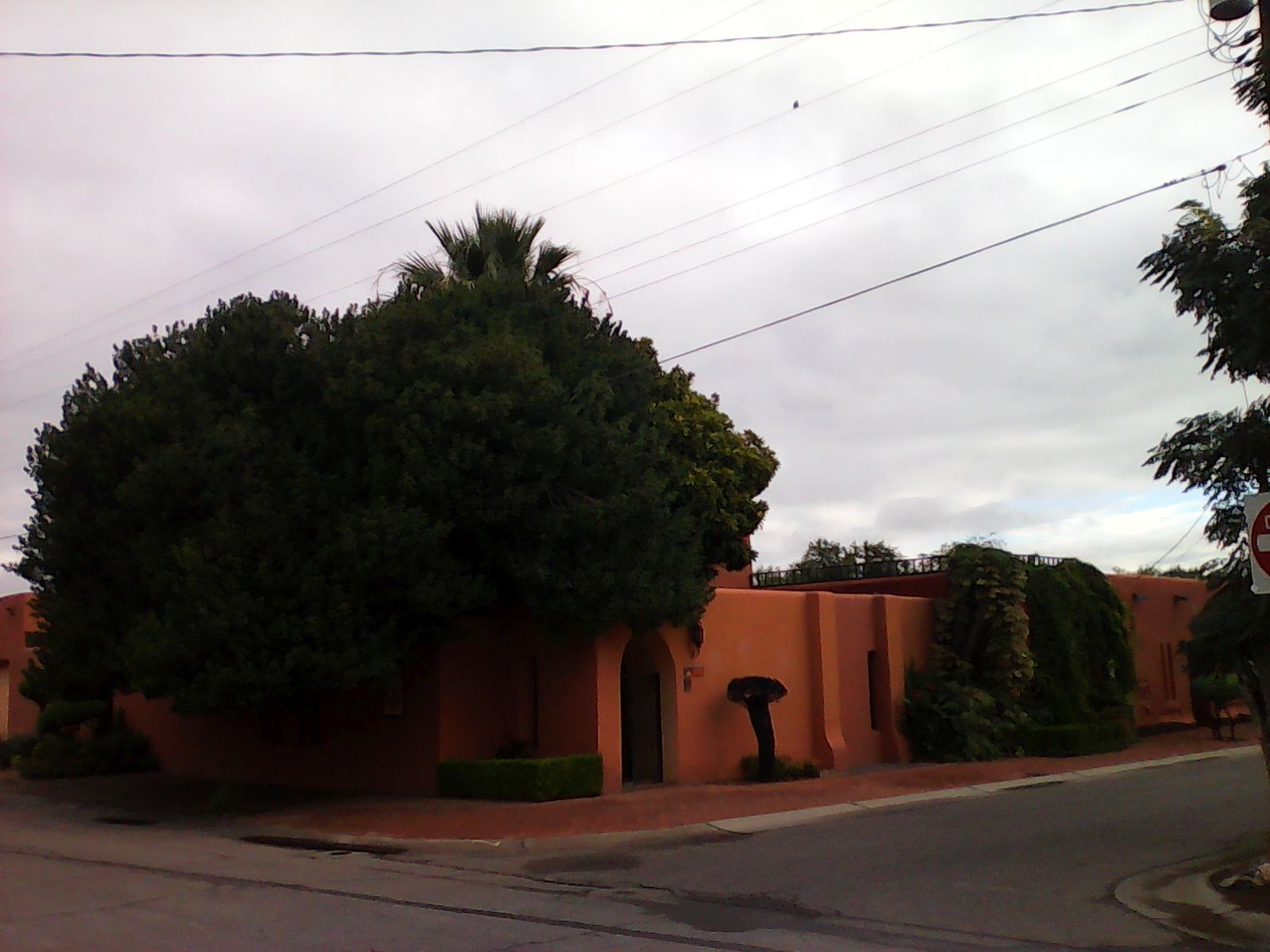
Mesilla — Old Mesilla, La Mesilla, varying on the sign — seems to have been a pueblo that has since been enveloped by the city of Las Cruces itself.

I found it in the early am to be deserted and gloomy, as the rest of the tourists were still slumbering and the shops were empty of even their owners. The smell of cooking tortillas, the faint sound of strings and cymbals,  and the happy clamor of visitors lost in admiration — an ambiance shared by both Albuquerque and Santa Fe’s old town plazas — wasn’t here, not yet.  After exploring a bit I decided to head for downtown, to take in the science and nature museums. I really should have returned to La Mesilla, to see it with its eyes open, but the later plazas would give me plenty of that atmosphere, and Las Cruces had its own attractions.

When first entering Las Cruces, I unwittingly previewed my route downtown as well. The road I’d expected to follow to my motel took me instead to a downtown roundabout, the lanes splitting in opposite directions.  This time I followed it, relying on my ‘trip book’ (a binder fulled of highway and street maps I’d compiled in the months previous) to guide me to the museum. I arrived just as it opened and was immediately awed by a spinning globe — a model of Jupiter, I thought.  I stood in admiration watching it rotate, and then realized a screen below allowed me to change it to any planet  and most moons in the solar system.   The museum was just getting started, though!  Among its princely attractions: a large expanse of dirt, preserving or modeling trackways of prehistoric creatures. (I would think it’s merely a recreation of an archaeological site!), stuffed Chihuahuan predators (that’s the desert, not the noisy mouth with legs), and several live animals. Their reptiles were captivatingly active; as I told one of the staffers, I’ve never actually seen a snake MOVE inside a zoo. But here, I witnessed lizards clambering about, snakes prowling, and….best of all…a MASSIVE snapping turtle.

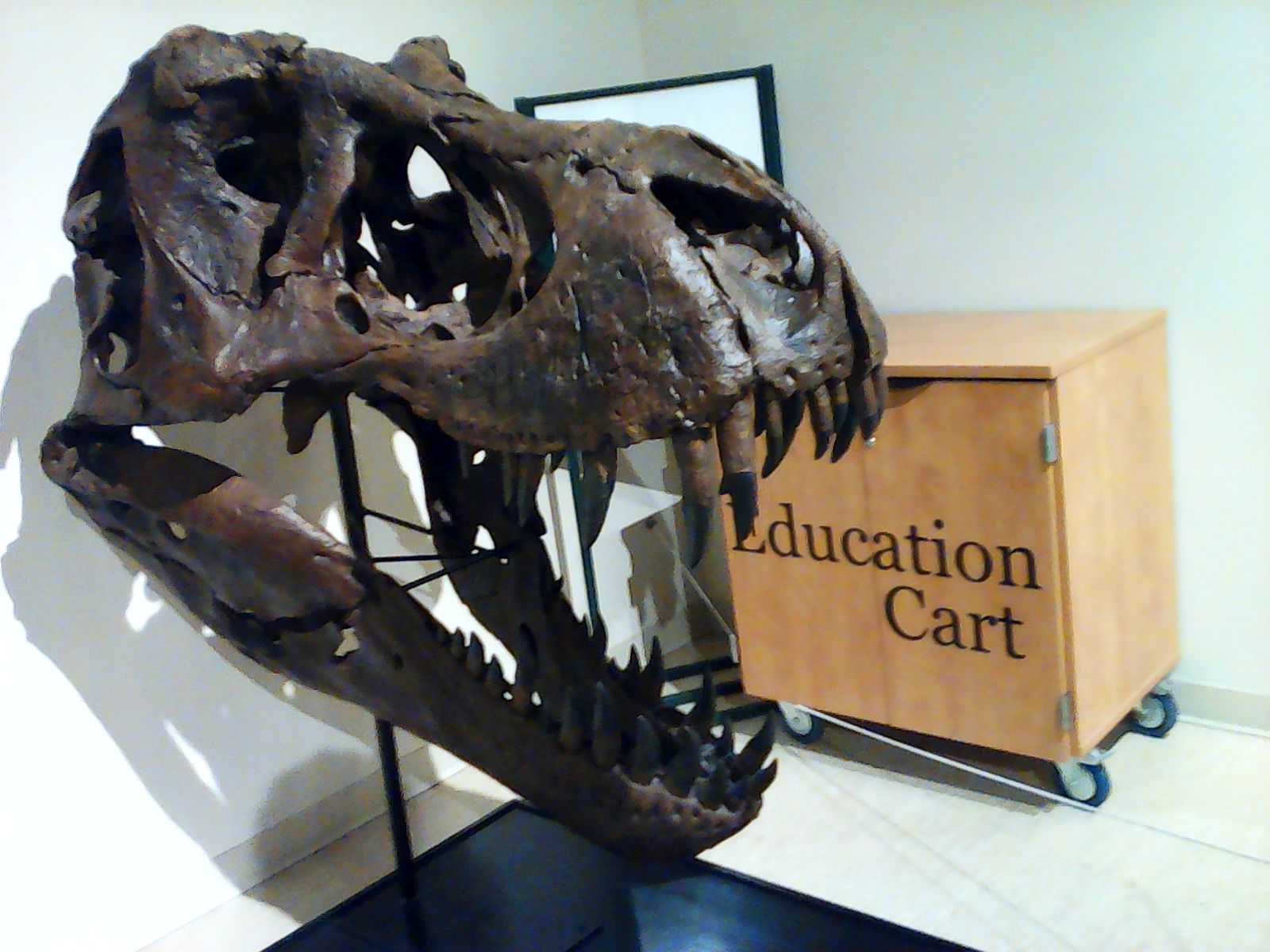
Carts: a filling and nutritious snack for your fossil on the go
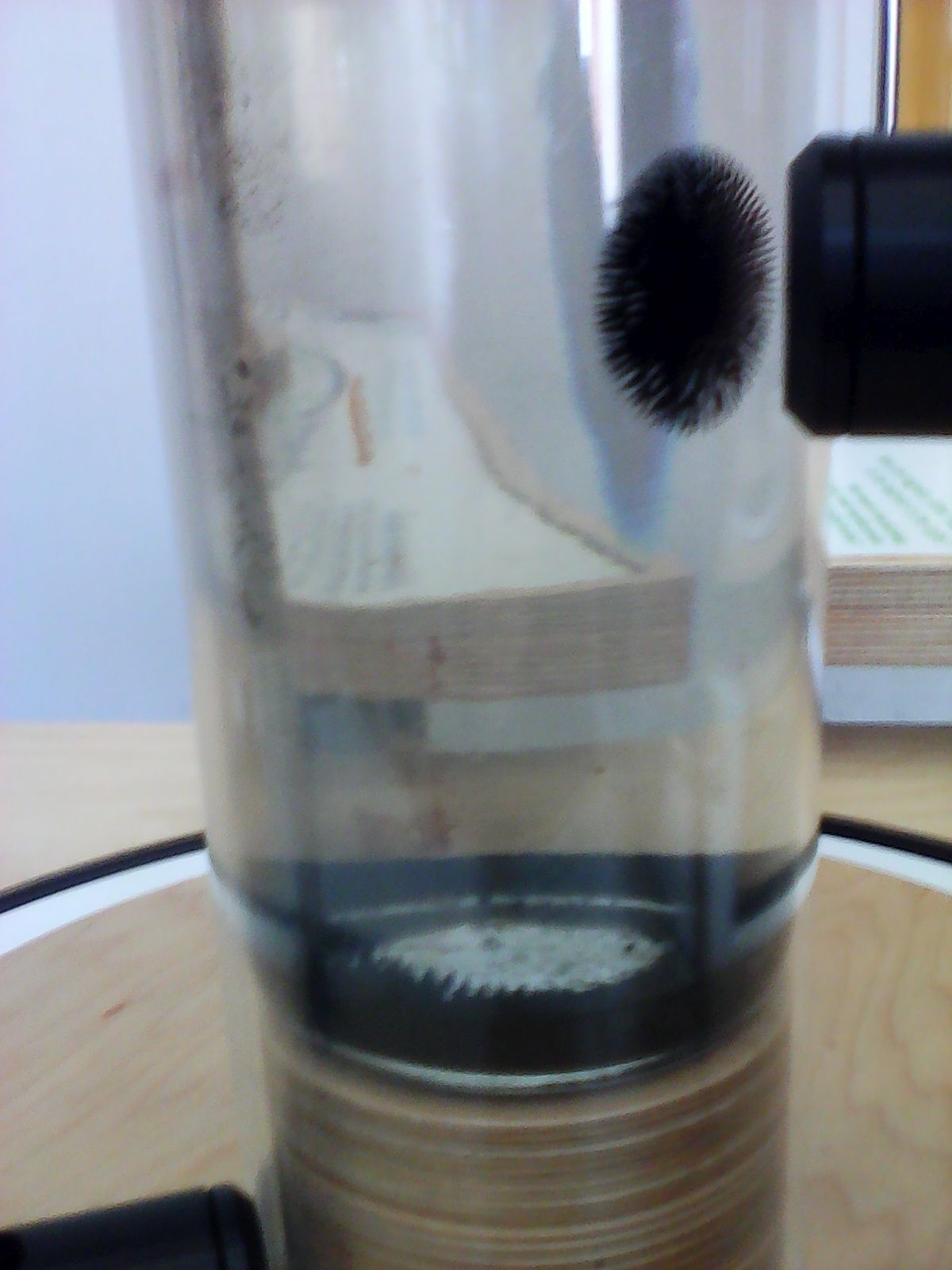
There were also little hands-on science experiments; a tube filled with fluid and some material, presumably iron shavings, for instance. There were magnets nearby and they could ‘pick up’ a ball of the shavings.   I put two magnets on either side of the vial and discovered that if I altered the distance or the angle of the magnet, I could see shavings streaming from one ball to the other, looking like galactic intercourse or something. 
This was the highlight of Las Cruces. A nearby art museum featured a display on Japanese art and radios. I attempted to type a message in Morse code, which appeared on a little screen. I tried “What Hath God Wrought?“, but it was too ambitious. I settled for “Hello”. 
After this, while trying to find a place to eat, I found COAS books.  I’ve never been inside an independent bookstore before, though I buy most of my books at them through the amazon marketplace.  I asked for their Edward Abbey section, hoping to find a copy of The Brave Cowboy, but no dice. They did have a few Asimov books I’ve never heard of, and as someone who actively trolls Amazon for used Asimov books, that’s saying something.  I only had one suitcase, though, so I settled for The Ends of the Earth, a natural history book by the good doctor on polar regions.  On display I saw a copy of The Night of the Living Trekkies, picking it up for $3.  It made my night!
All the while downtown I’d asked people about the local lunch options, figuring I’d see if one place was named more than the rest. That place was Rosie’s, a little Mexican restaurant that was packed at 11. I enjoyed a meal here, then wandered away. 
I left downtown and drove toward the Rio Grande, where I knew I’d find a small park by the river. I didn’t linger here long, as some college kids were there blasting AC/DC’s “Rock and Roll Ain’t Noise Pollution”. Sometimes it is.
The Organ mountains from the park


Not too far away was the Las Cruces Railroad Museum, housed in the old passenger depot. This was the first train station I’ve been to not connected to the Louisville and Nashville;  instead, it was part of the Atchison, Topeka, and Santa Fe. I know this when I asked what AT stood for, the staffer sang the song for me. And then, when a train rolled by, she ran outside screaming and we yelled and identified all the cars together.    I can’t say I’ve ever nerded out about trains with a woman before, but that’s the magic of New Mexico. 
An interesting mural across the street, a depiction of transportation with an ATSF train smack in the middle. 

A shot of the Sandias again.
After the train museum, I retired to my motel to read my funny little book under the palms, excited about tomorrow’s trip: Nerdvana.


Posted in General | Tagged , , | 1 Comment

Katherine of Aragon

Katherine of Aragon: The True Queen
© 2016 Alison Weir
624 pages

Mention the Tudor court, and invariably people think of Henry VIII and his famed mistress, Anne Boleyn. But the wife Henry abandoned came from a far more interesting family. Catherine of Aragon was the daughter of Ferninand and Isabella, the power-couple who united Spain and bankrolled Columbus’ journey across the Atlantic. Alison Weir, a historian-novelist who has produced both formal histories of the Tudor court and novels hailing English queens, now gives Henry’s only true queen her due. She begins the story in on the high seas, where a young Catherine is anxiously wondering what awaits her in England.

I daresay virtually everyone reading this is familiar with the particulars of Catherine’s ill-fated marriage to the swinish Henry VIII. We see a Catherine here who, while often at the mercy of the will of her father or English royalty, is not a passive creature. She serves as the de facto Spanish ambassador at one point, and later as regent of England when Henry is off fighting Frenchmen. When Henry’s desperation to sire a mini-me destroys the shared sorrow that once brought he and Catherine together and prompts him to begin looking for excuses to shack up with someone else*, she fights as best she can. To her is given an impossible task: to be obedient to her husband, who insists he isn’t, and simultaneously protect the marriage he has decided for reasons of state was a fraud. She does fight, though, using her position as the daughter of one of Europe’s most intimidating families, the Hapsburgs. She eventually loses all of her support, until like Thomas More digs in on the strength of conscience and honor alone. When my copy of the book vanished into the digital ether, she had been reduced to poverty, and Henry held her in bitter, angry contempt. (Darned magically-disappearing e-book checkouts!) The slow death — deliberate murder — of their relationship makes the book. There are other interesting relationships, too, like the appearances of Sir Thomas More, and even letters between Catherine and Erasmus.

Catherine’s character is the most compelling reason to read the book; I wasn’t particularly awed by the writing — at one point Henry declares that we can’t have every every Tom, Dick, and Harry can going around interpreting the Bible for himself. The phrase can be dated to the 17th century, but it sounds anachronistic — weird, even. I found Katherine largely enjoyable, but I was excited to find it to begin with; I’ve previously looked for novels that featured Catherine and Mary sympathetically.

Note: I didn’t quite finish this one. I was nearly late to town trying to finish it, and figured I’d take care of the last couple of chapters after work. No such luck; the checkout expired and now I’m #20 in line. If there’s a drastic alteration in my opinion based on the very end, I’ll repost.

* I could give Henry the benefit of the doubt if he’d made a wife of Anne, was faithful and such, but instead he chopped off her head and married four others. At some point we must call a pig a pig!

Posted in historical fiction, Reviews | Tagged , , , , | 4 Comments

Timeless Mexico

Timeless Mexico
436 pages
© 1944 Hudson Strode

My knowledge of Mexico consists of a few events with a great many spaces in between: Aztecs, Cortes, independence, war with Texas, Pancho Villa, the PRI, and cartel warfare encapsulate my paltry knowledge. I read Timeless Mexico as a beginning effort to remedy that, knowing of course that a work published in 1944 would be severely dated. Hudson Strode’s Timeless Mexico covers the country from prehistoric speculation until 1944, with an almost exclusive focus on politics.

Strode is obviously sympathetic to the Mexican people, or at least the peasantry, and often reflects the sentiment he quotes directly: all those who love Mexico must always have their hearts broken. It’s easy to see why, because the narrative has one dictator after another — sometimes elected, sometimes installed by a coup. (Santa Anna is like the Black Death, seemingly impossible to get rid of permanently.) Strode is obviously partial to some of them, hailing their best intentions; the other side’s fellows with good intentions are of course wicked. We can’t begrudge anyone for trying to improve their country, of course — promoting schools, roads, hospitals, that sort of thing. I had no idea that revolutionary politics came so early to Mexico, or that its prescriptive nature was embraced so widely. I couldn’t muster up a lot of love for any of the politicos here, what with their seizing property left and right and ordering people around. It’s all well and good to build schools, but to force people to attend the government’s schools exclusively, with no private or parochical institutions allowed to teach, is quite another. Still, the politics here are fundamentally agrarian, not communist; men like Lázaro Cárdenas were closer to the Gracchai brothers than Lenin. Their economic plans involved breaking up plantations and distributing the land to the peasantry, given to them to be held privately and perpetually. The government confiscation wasn’t always outright theft; when the oil industry was nationalized, for instance, the oil companies were paid for the equipment. (Not at the asking price, but still.) That agrarian distribution was the only nod I saw to people being put in command of their own lives; most of the politics insists of mobs supporting one caudillo or another, then waiting on The Man to do something.

Timeless Mexico is heavily weighted toward ‘current events’, which for the author was the 1940s and World War 2. Although Mexico’s history with the allied powers had been antagonistic (their all being former colonial-imperial powers in Mexico or its backyard), and despite Mexico’s close business ties with Germany, once Japan attacked the United States, America found an immediate ally in its southern neighbor. Given Mexico’s political makeup — a persistently victorious left front that was anti-stalinist on the whole, but which might have a few fans of Murderin’ Joe, and the left’s opponents, who preferred throwing in with the Nazis — and its past as being given to violent pendulum revolutions, who could say what might become of it during the conflict? Strode reccommends Mexican history to Americans on the merits of closeness, but World War 2 made that meager division of the Rio Grande much more important.

Although Timeless Mexico isn’t quite timeless itself, being dated by a good seventy years at this point, its political coverage is extensive, includes societal change as a matter of course, and is written with devotion to the people. I’ll be following this with more up to date books, but found Strode’s narrative an affectionate and detailed introduction.

Posted in history, Reviews | Tagged , , , | 2 Comments

This week: MURDER! and leftovers

From The Montgomery Advertiser

Last night I enjoyed the Alabama Shakespeare Festival’s final performance of “The Mousetrap”, based off of Christie’s “Three Blind Mice”.  (The play is still running in the west end, of course, sixty four years and counting…)   A spooky locked-room murder mystery is just the thing to kick off October, especially when executed by fine actors like those of the ASF.  Theater-goers filled the parking lot and invaded the park the theater is set in; I have never seen such a crowd there!  “The Mousetrap” takes place in the wintry English countryside, some time after the war. A young couple has inherited a roomy house and decided to run it as a country inn, and on the night the play kicks off, they are expecting their first guests.  A blizzard cuts the inn off from civilization just as the last guest arrives, and the tension inside the house is soon just as thick as the snow outside.  The guests are eccentric and opinionated,  and stress levels only increase when the house receives a phone call. There’s been a grisly murder in London, with a possible connection to this address. The police are coming.   Soon there’s an actual body on the floor, and the inspector’s questions cast suspicion on everyone, reducing even the husband and wife to being fearful of one another.

I was quite surprised by the ending,  more for the dramatically quick resolution than the twist. .  My only disappointment was that the theater didn’t sternly admonish us against spoiling the ending.  It certainly put me in the mood for a few more gloomy mysteries, just the thing for October with Halloween not far off.  In the short term, though, this week will see a little more history (leftovers, really, consumed reluctantly), and more posts from my week in New Mexico, this time including Albuquerque and Santa Fe. (Fun fact: did you know that in 1862, the Confederates invaded New Mexico? I didn’t, and I’ve been reading about the war since adolescence!)   I’m still waiting for things to get back to ‘normal’…I suppose eventually the magic will wear off and I’ll stop dreaming of the mountains.. Then it will be time to go again.

Posted in Reviews | Tagged , | Leave a comment

Harry Potter and the Cursed Child

Harry Potter and the Cursed Child
© 2016 Jack Thorne, J.K. Rowling, and John Tiffany
320 pages

Harry Potter and the Cursed Child is the book young adults who grew up with Harry have been waiting for….though it’s not quite what they expected.   Principally featuring his  youngest son Albus’s adventures in Hogwarts, the play at is core is about family and relationships instead of magic and epic adventures.  Harry Potter isn’t the boy who lived, he’s a father trying to live through his son’s adolescence, something a fair few of his original readers probably have on their mind as their own children near that age.  

Like the prophecy that could refer to both Harry and Neville, the ‘cursed child’ seems to apply equally to Albus and his best friend, Scorpio. The son of Draco Malfoy, neither Scorpio nor Albus are made in their fathers’ image.  Scorpio is a geek, one infatuated by the daughter of Hermione Granger. Albus himself is more of a mystery; his main characteristic seems to be that he finds living under the shadow of his father to be awkwardly oppressive. (It doesn’t help that he was sorted into Slytherin….)     Scorpio is dogged by his father’s legacy, and constantly accused of being not only a wolf in sheep’s clothing, but the actual son of Voldemort.  United in their misfit status, the boys decide to go back in time and prevent Cedric Diggory from being killed — Albus will have accomplished something his father failed at, and Scorpio will have good guy credentials. Unfortunately  for these two, they’ve never seen a single time-travel movie and have no idea what an utterly bad idea monkeying about with time can be. (And naturally, there’s a confederate with a diabolical scheme manipulating these two to other ends…)

The good news for the reader is that, in their visits to the past and then to alternate realities, old characters return if only temporarily. Snape, for instance, makes an appearance, and finds the thought of his other self being killed by Voldemort ‘profoundly irritating’.  When the adults realize what their kids are up to, they’re forced to attempt to intercede, so that at one point adults and children are working together in different time frames.  The writers don’t just use the power trio, though, but create different combinations throughout the story. We see much of Draco, who has grown far beyond his petty upbringing, but is still isolated and haunted by the memory of his family’s malice. Although being a play there’s no narrative, the dialogue brought to mind some of the humor and warmth of the original books.  Albus is an interesting character only to the degree that he is a partner in banter with Scorpio and Rose (Hermione and Ron’s daughter). Although his growing distance from Harry is explained TO the reader, the early scenes jump around so much that I simply had to take his sullen rebellioness for granted. It’s a case of being told, not shown, and unfortunately this arbitrary distance is  Albus’ main attribute.

Although it’s definitely not a Harry Potter adventure in the old style, as someone who long resisted and then fell for Pottermania utterly, I found it fun. It’s fun in the sense of fanfiction, I suppose, and fleshes out that epilogue at the end of  Deathly Hallows, but it’s more serious than that. Most of the fanfiction I’ve seen has infantile premises — fetishizing Draco, making Harry a girl who knows martial arts, that sort of thing.  (I omit Harry Potter and the Methods of Rationality, which is The Best Fanfiction Ever.)   The Cursed Child covers an adult topic — a genuinely adult topic, not a ‘let’s be gratuitous and pretend it’s mature discussion’   —   while remaining of interest to adolescent readers.   It makes me want to cozy up under a fall tree and read the books yet again!

Posted in Reviews | Tagged , , | 2 Comments

Imaginative Cosmopolis: A Reading

From Jasmine and Stars: Reading More than Lolita in Tehran,  Fatemeh Keshavarz

In faint voices that reach us from across the globe, there is the recognition of our shared humanity. In laughing at the same joke, feeling the same pain, or admiring each other’s work of art, there is an empowering flash of recognition. Through the brilliance of that flash, a voice says, ‘I know you are more than a number in the global statistics, because your grandmother looks exactly like mine. It doesn’t matter if my Tuesday is Wednesday on your calendar. I have a little gray cat, and if you are brave enough to build a bridge, my cat and I might walk over.’  At times, it is hard to even contemplate the building of the bridge. But the excitement at the thought of a person and a gray cat from the other hemisphere walking in our direction is proof that we will never be totally self absorbed or even a nameless cog in the system. Not if we can help it.

p. 5

Posted in quotations | Tagged | 2 Comments

Night of the Living Trekkies

Night of the Living Trekkies
© 2010 Kevin David Anderson
256 pages

Braaaains and braaaains, what is braaaaiiins?!

Oh, reader, good times ahead.  When Jim Pike returned from Afghanistan as a psychologically scarred veteran, the last thing he wanted was responsibility. That’s the reason he took a lowly job at a hotel as a bellhop; lives weren’t on the line. Too bad his hotel and the entire Houston area are ground zero for an zombie epidemic — one that erupts most dramatically at a Star Trek convention. To protect his sister, Jim will fight side by side with a squad of redshirts, saving Princess Leia in the meantime. Night of the Living Trekkies is a glorious parody of both zombie fiction and Star Trek, grounding its invasion of the undead in science fiction. Its reanimated corpses are under the control of an invasive alien parasite, not a necromancer’s spell, but the attraction here is not the zombies or the action, but the humor.  This is a novel saturated with Trek references; every chapter  heading is drawn from the shows’ bank of episode titles, and virtually all of the characters are Trekkies who constantly argue about the shows — about whether the Animated Series is canon, for instance. Gloriously, though, the authors also have the chutzpah to include a character dressed as Princess Leia, who (as a running joke) ‘unwittingly’ drops lines from Star Wars in stressful situations.   (“Some rescue! When you came in here, didn’t you have any plan for getting out?!”) It takes chutzpah to mix Star Wars references into a Trek book, but I thought it succeeded marvelously.  This being a zombie novel, naturally there’s a body count….but even that becomes funny when so many corpses are wearing red shirts.  Similarly appropriate are the zombies still dressed as Borg, whose shamble lacks only the Borg clacking and whirring to be authentic.  I purchased this on vacation and it made my night.

Seriously the most fun I’ve had with a book this year.

Posted in Reviews, science fiction | Tagged , , , , | 4 Comments