The Autobiogaphy of Miss Jane Pittman

The Autobiography of Miss Jane Pittman
259 pages
© 1982 Ernest Gaines
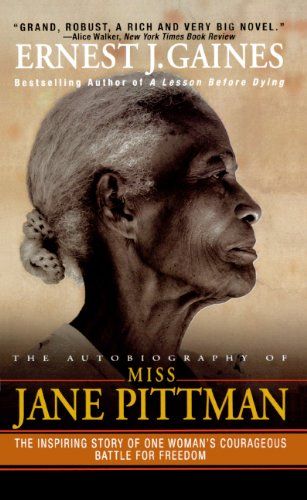
A young girl carries water for both exhausted rebels and the jubilant army chasing them.  An elderly lady who has seen sorrow after sorrow visited on herself and her loved ones witnesses a final tragedy, but one that carries with it hope for the future. These two women, nearly a century apart, are one and the same: Miss Jane Pittman.  Her Autobiography, while fictional,  is a fascinating way to experience a century of history, in the life of a ‘Luzana’ girl born into slavery, who sees her people failed  time and again by themselves and the government, but always picking up and carrying on.  

Experiencing a century of American history through the eyes of one person is a fascinating premise to me, though Gaines errs on the side of plausibility rather than letting his premise dominate the novel.  Jane isn’t some Gilded Age Forrest Gump, wandering from the plantation into various highlights of the late 19th and early 20th century.   Following the end of the war,  young Jane attempts to migrate north with a handful of other freedmen, headed toward Ohio;  most of the group runs afoul of some proto-Klansmen, brigands and ex-slave patrollers who are out to harass roaming blacks, but Jane and another young child escape, navigating by night and taking help as they can and avoiding snares. Eventually they find a safe haven, and from there the narrative shifts into more domestic and personal drama. “History” is still rolling along, witnessed as people debate the merits of Frederick Douglass and Booker T. Washington,  but it becomes more like scenery rather than the driver.  The personal and historical come together at the very end, when Jane sees a young man she’s helped nurture become a Civil Rights martyr. (Don’t get terribly attached to any of the characters besides Jane.)

The novel is framed as being based on interviews with Jane, and is rendered largely in her voice, with  lots of vernacular; think of Huck Finn’s narrative style.  Gaines and Jane offer the reader much to think about along the way. One of the more poignant chapters in the book details  unrequited love with a tragic ending, and Jane reflects on how everyone, black and white, is  trapped by the past, perpetuating its mistakes.   I found much to appreciate here, from little bits of folklore — Jane’s skeptical use of a ‘hoo doo’ (witch) , old marriage customs, that sort of thing — to seeing the evolving black struggle for membership within the American nation.

This is a unique work in American literature, one well worth reading for understanding one aspect of the American story.
Posted in Classics and Literary, Reviews | Tagged , , , , | 6 Comments

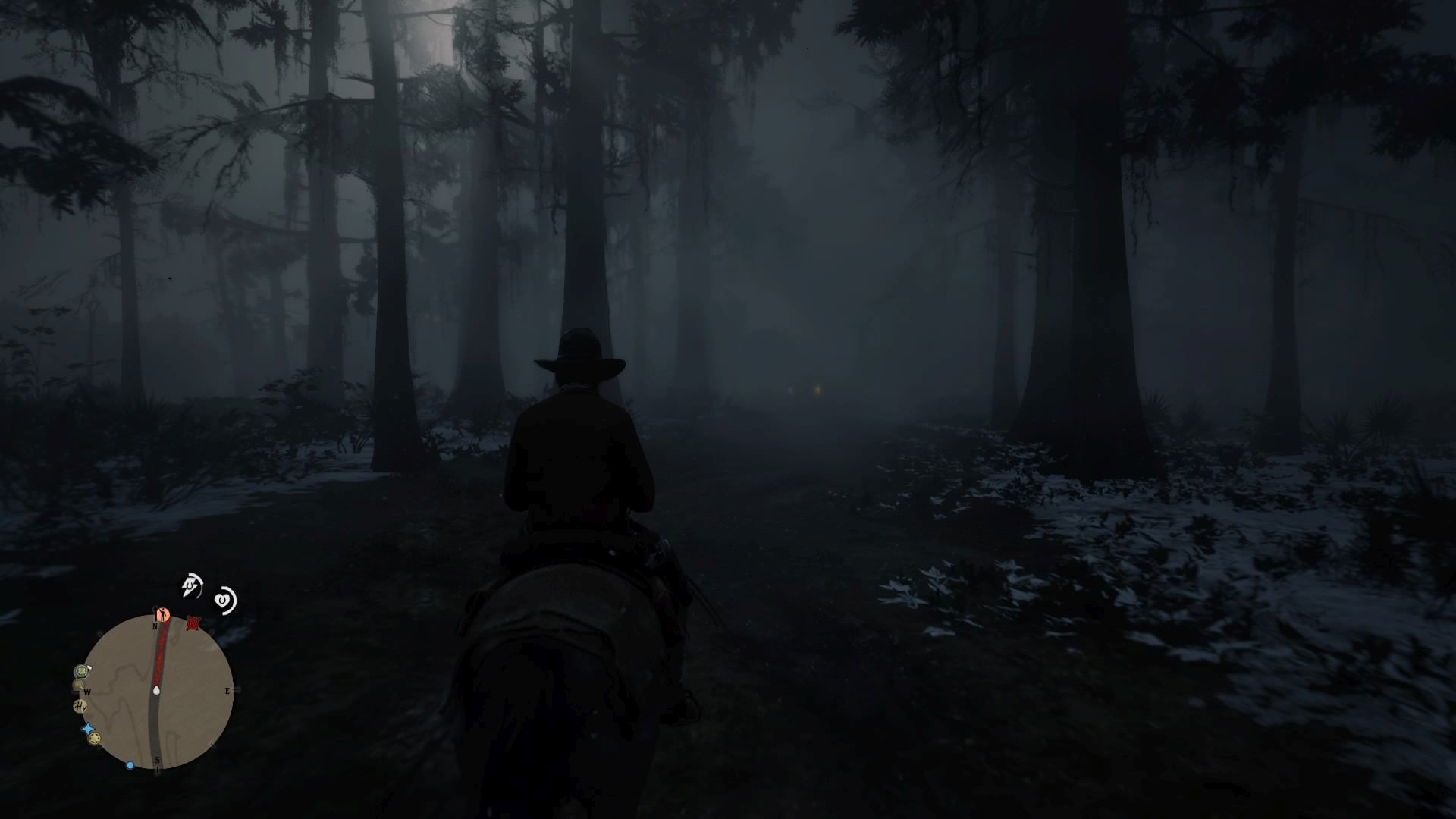
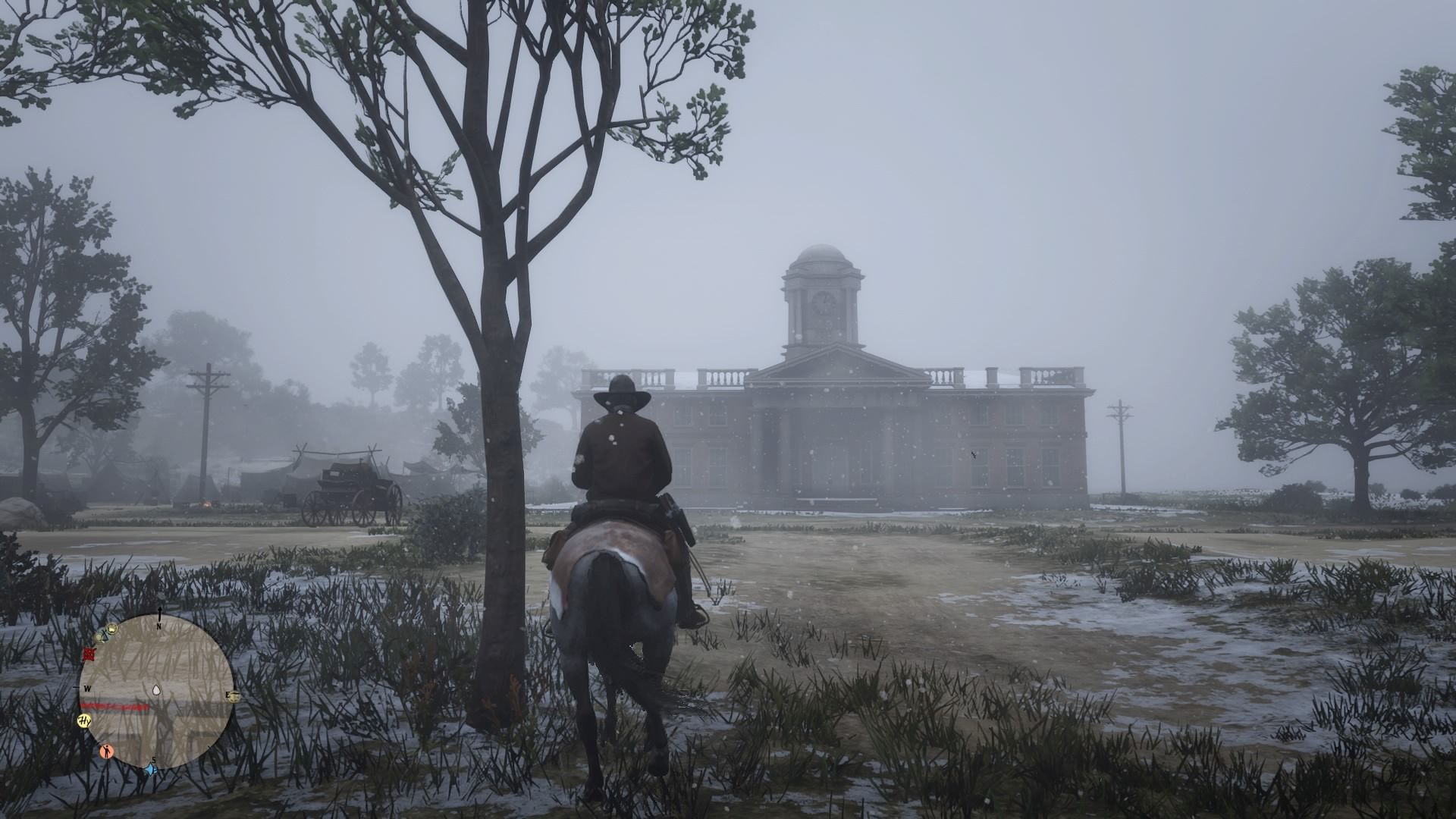
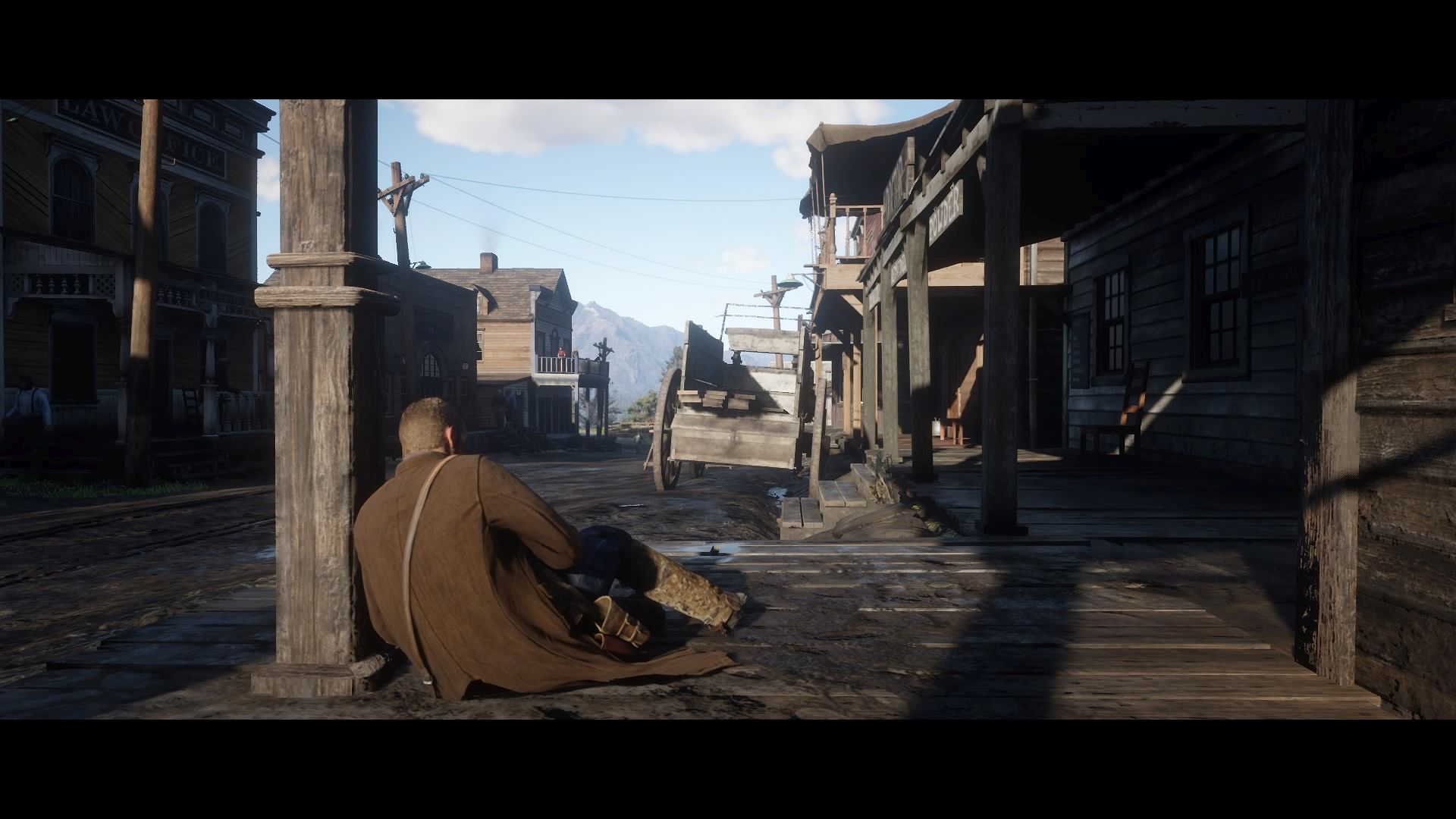
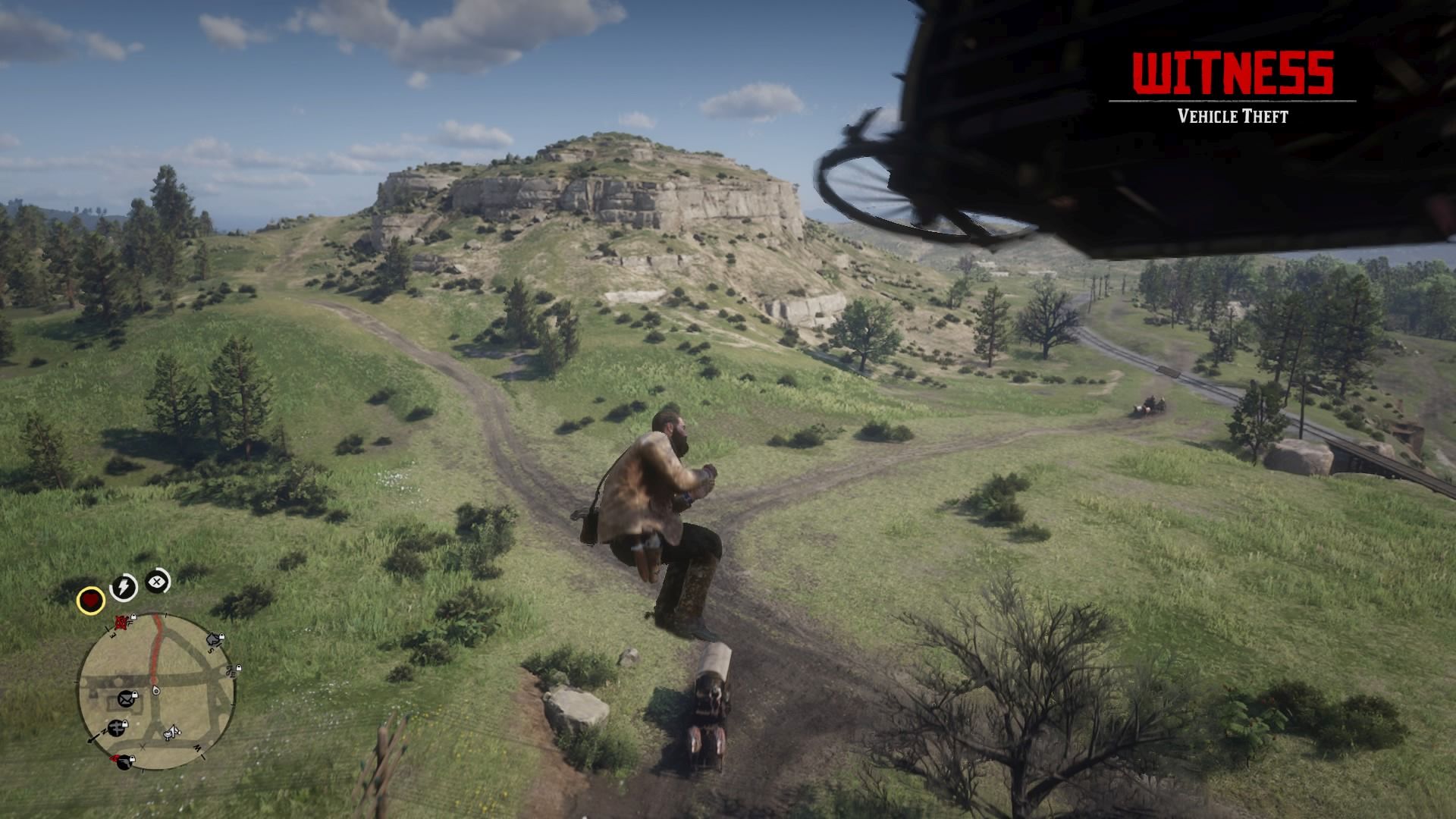
Off-topic: RDR2 shots with snow

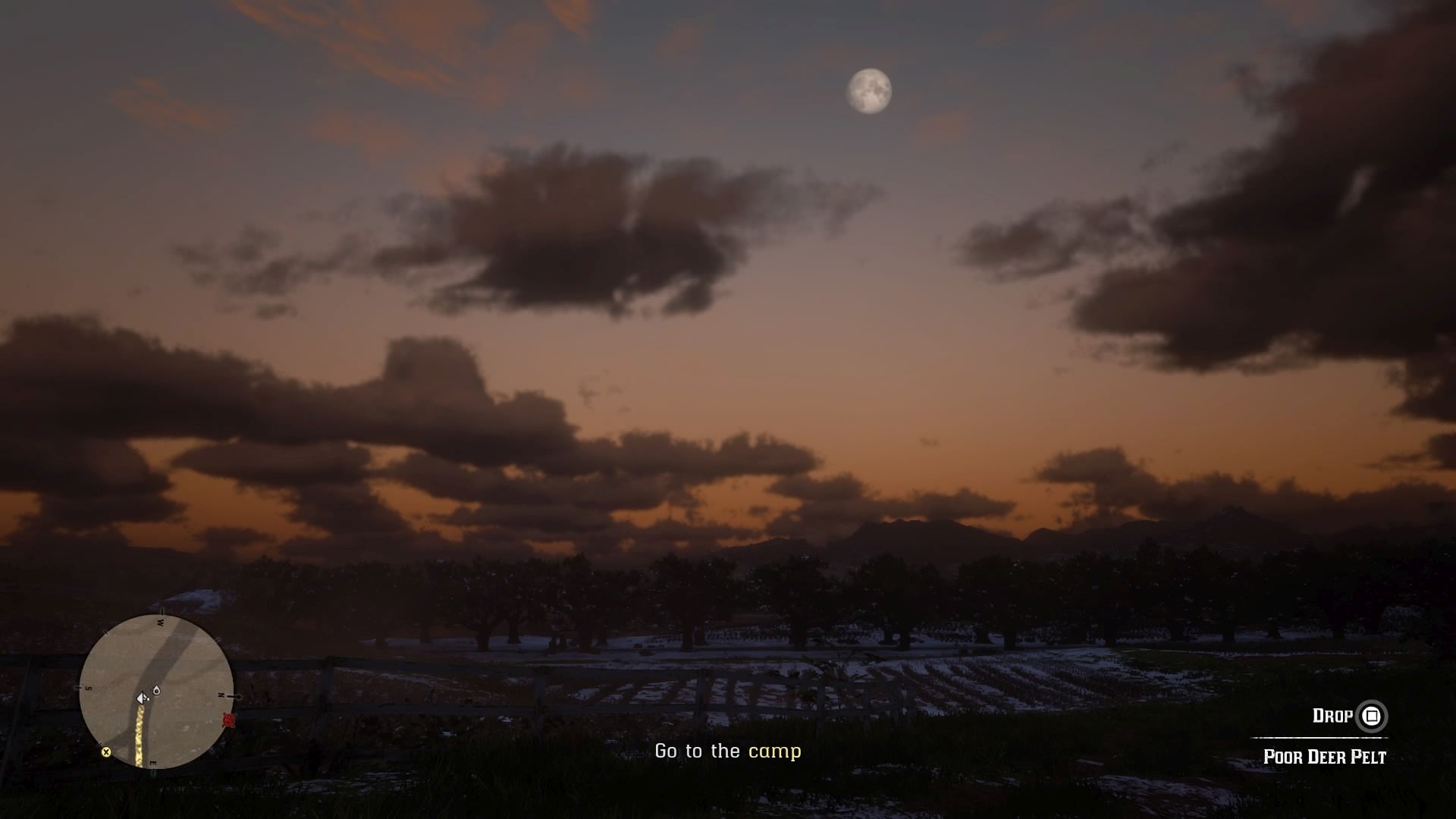
During the Christmas season, the world of RDR2 online got a wintry makeover — somehow making an already pretty game even more dazzling.

Braithwate Plantation
Outside St. Denis
The woods are lovely, dark, and deep….
Blackwater
Just another Saturday night in Valentine.
Sunday morning in Valentine. “Oh, brother…”
Bourbon and bar fights, it’s like PB&J.
Never drink and hijack stagecoaches.

Posted in General | Tagged , | 2 Comments

Top Ten Tuesday: Bookish Hopes for 2021

This week, the Artsy Reader Girl is taking a look at bookish hopes for 2021.

  1. A strong start to the Classics Club Strikes Back. By strong,  I’d like to have read at least 20 entries from my list by the time 2022 rolls around. It’s not as far-fetched as it sounds: I did it before, in 2019, and this time around the books are mostly smaller and tend toward the modern, with many being 20th century titles.  
  1. The End of Mount Doom.  Scaling Mount Doom isn’t just about finishing my TBR, it’s about being able to move closer to minimalism. I’m always fighting towards it and never seem closer, somehow.  
  1. More southern literature. As a librarian in a southern river town, I’m acutely aware of how little southern lit I’ve read, both classic and contemporary.  That’s why CCSB has a large southern lit section !
  1. If time permits,  some progress in my Peoples of the Americas series. In 2018 I announced that the reading project for the year would be exploring the histories and cultures of American nations,  past and present, from the Inuit and Canada all the way down to the Incas and Chile, with a Caribbean sideline.  I read 4 titles that year and have kept the theme in mind ever since either as an annual project or as a long-term series.  
Read in 2011. It’s been a decade. .
  1. Re-reading. I’m hoping to adopt purposeful re-reading as a discipline, not only to give un-reviewed books their due, but to reinforce what I’ve learned.  (Bitter laughter: in 2016 I resolved to re-read and review some books. The titles I showed are still 2/3rds unreviewed. )

That’s it for reading goals – frankly,  the first two alone are enough to keep my nose buried in the pages!  

Posted in General | 8 Comments

The Old Man and the Boy

The Old Man and the Boy
© 1957 Robert Ruark
303 pages

Of the various titles on my Classics Club Strikes back list, The Old Man and the Boy is something of an outlier; I’d venture to say that most people haven’t heard of it. I hadn’t heard of it until  I started fishing for southern-lit reads that weren’t by William Faulkner.  (Faulkner scares me.)     I was charmed immediately by the preview I found online, and my entrancement only continued once it’d arrived in the mail.  The book is semi-fictional, semi-memoir, and consists of vignettes from Ruark’s perspective recounting his grandfather’s (the Old Man) and his adventures together. The writing mixes nature writing with philosophy,  and delivers a taste of Carolina country living in the 1920s, from ambling around in a Model T to hunting.    In reading, one experiences the energy and wonder of youth and the wry humor and wisdom of age.  It’s an extraordinarily engaging, lovely book to read, an instant favorite for me.  

I commented to a friend as I was gushing about this title that it’s a little Aldous Leopold, and a little Rick Bragg.  Although more than one year passes by throughout the stories, they’re arranged in such a way that we’re experiencing a year in the Carolina coastlands. Both the Old Man and the Boy are keen studiers of the natural world, and one of the Old Man’s common refrains is respect for the land and respect for the creatures in it. This respect isn’t just about stewardship, although it’s one of the reasons the Old Man teaches his grandson about conservation;    it’s also the realization that you don’t know everything, and  should tread softly. (When it comes to hunting quail, for instance, the Old Man believes an experienced dog should train a boy, and not the other way around.)  

Although hunting excursions are the basis of most of the stories (they also fish),  this is not a ‘hunting’ book, per se;   sure, the boy learns what to look for and what not to do as far as hunting tactics and strategy go,  but the Old Man is often philosophical as they walk and stalk together, giving advice and insight that applies equally in the field and in town. The boy is sometimes receptive to this advice, and sometimes he doesn’t know what to make of it; but he apparently remembered it.   The Boy is very much like Tom Sawyer; eager to escape the schoolhouse,  always ready to flee into the woods. The Tom Sawyer aspect extends to building a boat and taking off on his own,  fishing and camping and not returning until late at night.   The Boy couldn’t get away with that today; the neighbors would call the cops on the Old Man for letting the Boy leave his eyesight, and the boy wouldn’t want to touch one dead goose, let alone improvise a way of carrying home four.   Although I appreciated this title most for the wonderful mix of adventure and advice about life,  the entire historical context is worth appreciating on its own, as are the little stories the Boy mixes in.  I would have never expected that moonshine was once an integral part of Holiness revivals. If they’d kept that particular practice, I might’ve had a lot more fun growing up in Holiness-Pentecostal circles!  

I will be sharing passages from this book a little later, but this is one of those sticks-to-the-ribs kind of books, savory and warming.  

Related:
Where the Red Fern Grows, Wilson Rawls

Posted in Reviews | Tagged , , , , , , , , | 8 Comments

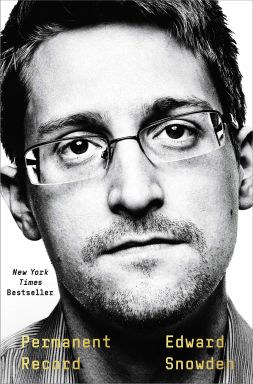
Permanent Record

Permanent Record
© Edward Snowden
352 pages

Nearly a decade ago we bore witness to magnificent acts of rebellion and alarm-calling, as dissidents like Julian Assange and Edward Snowden began exposing DC’s global surveillance state and abuses of power. DC acted with rapid malice, cancelling Snowden’s passport in an effort to prevent him from traveling. Marooned in Russia, which he’d been passing through from Hong Kong to Educador, Snowden was immediately tarred by DC and its obedient servants as a traitor. Five years after Snowden’s revelations, the world has only grown more complacent about our existence within the Panopticon, eager to fill our homes with the ever-open ears of Alexa, Google, and the like, and more interested in arguing about the cause célèbre that the television and social media promote. We have learned nothing and sunk ever-deeper into becoming total subjects of the security state. Permanent Record, Snowden’s biography and explanation as to why he threw away a promising career to become an exile, should remind us all of what is truly important, what we should be focusing on besides masks and policing people for wanting to get a haircut.

Permanent Record begins with Snowden’s coming of age, as the future rebel shares how eagerly he took to the brave new world of the internet, a place where one could re-invent themselves on a daily basis and explore as far and wide as their phone bill would permit. But 9/11, which ended the optimism and prosperity of the 1990s and replaced it with fear, vengeance, and skyrocketing gas prices, permanently altered the future development of the internet. The web was already evolving into something else, pushed by commerce and the opportunities afforded by tech; the smart gadgets that so many were eager to play with all needed to constantly report their location, and devices like iphones kept records of where they’d been. New web services like Gmail and social media made it easier to store everything online — for “free”! What we didn’t realize then was that those services were being paid for by information about us. We were the product; the services were merely the bait. In this atmosphere, a young Ed Snowden who was inspired by 9/11 to enter the armed services but prevented from doing so by a training accident began working for the intelligence community, using his savvy for the subject to become a leading member of the new generation of analysts. Snowden notes that after 9/11, DC’s push for rapid expansion meant that it entrusted the most vulnerable parts of of its burgeoning infrastructure to civilians who were in it just for the money, not any idea of service. Although Snowden’s on-paper bosses were Dell or Booz-Allen, in reality he was working for both the CIA and NSA, depending on the year.

Snowden’s work overseas, analyzing China’s own digital security state, made him realize: the Intelligence Community couldn’t possibly know this much about China’s internal surveillance mechanisms without having a similar system itself. Snowden began exploring that possibility, using the stupefying amount of information he had available to him (first as a contractor, then an official member of the service), and tools that he and other technicians had been building over the last few years. When Snowden began to realize the staggering capabilities that he and other tech enthusiasts had unthinkingly established for DC — when he realized he was complicit in turning the open web into the glass cage — his health took a dramatic downturn. He had been living a double life: Snowden the tech helped build the security state, and Ed the user valued his privacy to the point of using Tor for regular browsing. Now, increasingly, Ed couldn’t countenance the realities of the work he’d been doing. At first he tried to rebel by simply spreading the word about the need for protecting privacy, in general, or by giving people the tools and knowledge to bypass surveillance in countries hostile to free expression, like Iranians subjected to the role of the ayatollahs, he eventually decided that the most effective way of fighting back was to reveal what was being built.

The last four years in particular have served up plenty of distractions from the pickle that we’re all in — and when I say “all”, I mean all, for the US internet infrastructure is a lynchpin of the global internet. Everyone’s data is being hoovered up and stored. There has been pushback against the total surveillance state — local governments not permitting the NSA to build server sites, for instance — but not nearly enough. We all seem to have just given up the fight against Google, facebook, and the DC surveillance state. Our grievances now focused on how much money they make rather than how much of our lives they claim to own. Permanent Record is thus a timely, welcome, and surprisingly cleverly-written reminder of the fix we’re in.

Related:
No Place to Hide, Glenn Greenwald. The original Snowden story.
Data and Goliath: The Hidden Battles to Collect Your Data and Control Your World, Bruce Schneier
Playing to the Edge: American Intelligence in the Age of Terror, Michael Hayden.

Posted in General, Reviews | Tagged , , , | 6 Comments

Ten Songs (or Artists) that Made My Year

This started as a “Things I’m grateful for at the end of a crappy year”-esqe post, but then inspired by Marian I decided to make it all-music. It was meant to be an end-year 2020 or January 1st post, but that period was post-heavy. After yesterday we could all do with a little distraction.

Allison Young. I must have heard her through Postmodern Jukebox, the same source that introduced me to Chloe Feoranzano.


Lake Street Dive. LSD quickly became a favorite band of mine when I first encountered them in ’18 or ’19, and like most musicians coronavirus has stalled their ability to do much. They did a streaming variety hour in the first outbreak period, but in October they appeared on a rooftop continuing their Halloween tradition of doing a cover in costume.


Pogo, “Do You”. I encountered Pogo last year, I believe, via a Star Trek video, but this one is different — and has a message.

Justin Johnson, so much. I don’t have a favorite piece of his just yet, but I discovered his stylings only recently and I’m slowly listening to a variety of his work.

Cody Jinks. I’ve been aware of Jinks for the last few years now. Discovering him and a few other artists on youtube made me realize that real country isn’t dead, it’s just exiled from Nashville.

I’ve known a lot of real good men / Grad school or no school, Ive called them my friend / I’m somewhere in the middle, and that’s just fine /

Hazel English, “I’m Fine”. I have no idea how I encountered this band, but this and a few other pieces have struck just the right chord during some of this year’s more difficult periods.

Avalon Jazz Band, “Bonjour Sourire”. AJB, along with Allison Young, is my Absolute Favorite Discovery of 2020. This song’s title means “Goodbye, Sadness”. We certainly needed that this year!

“Photosynthesis”, Frank Turner. I encountered Turner a few years back; he’s a bit like Billy Bragg as far as musical stylings go, though his politics are sharply different.

And if all you ever do with your life
Is photosynthesize
Then you deserve every hour of these sleepless nights
That you waste wondering when you’re gonna die

“One Day More”, the Marsh family. Years from now, this will be THE song I remember 2020 by.


“I Promise You”, Mohsen Yeganeh. A song about heartbreak and moving on, whose message I understand not through the words but through the music.

Posted in General | Tagged , | 9 Comments

Wisdom Wednesday: Thoughts on love and pain

These are two quotes from two rather different authors

“To love at all is to be vulnerable. Love anything and your heart will be wrung and possibly broken. If you want to make sure of keeping it intact you must give it to no one, not even an animal. Wrap it carefully round with hobbies and little luxuries; avoid all entanglements. Lock it up safe in the casket or coffin of your selfishness. But in that casket, safe, dark, motionless, airless, it will change. It will not be broken; it will become unbreakable, impenetrable, irredeemable. To love is to be vulnerable.”

C.S. Lewis, The Four Loves

“I have always said that the way to deal with the pain of other’s is by sympathy, which is suffering with, and that the way to deal with one’s own pain is to put one foot after the other. Yet I was never willing to suffer with others, and when my own pain hit me, I crawled into a hole. Sympathy I have failed in, stoicism I have barely passed. But I have made straight A’s in irony- that curse, that evasion, that armor, that way of staying safe while seeming wise. One thing I have learned hard, if indeed I have learned it now: it is a reduction of our humanity to hide from pain, our own or other’s. to hide from anything. That was Marian’s text. Be open, be available, be exposed, be skinless. Skinless? Dance around in your bones.”

Wallace Stegner, Angle of Repose.

Posted in quotations | Tagged | 4 Comments

Scaling Mount Doom: 2020

The following titles were TBR titles read in 2020. From August on, they were part of the on-going Scaling Mount Doom series, in which I suspended book purchases except as rewards for reading TBR titles. The ban on book purchases has been temporarily lifted in January because I like to start the year off with a fun mix of things, but it will be reinstated in Feb. One of my goals for 2021 is to finish off the TBR pile. I haven’t linked to reviews for all of these, because some were covid shorties published from my quarantine residence sans computer.

The United States of Beer,Dame Huckelbridge
Aerial Geology,  Mary Caperton
ST Voyager: Seven of Nine, Christie Golden
The Founding Fathers Guide to the ConstitutionBrion McClanahan
ST Enterprise: Uncertain Logic, Christopher L Bennett
By the People: Rebuilding Liberty Without Permission, Charles Murray
Star Wars: Darth Plagueis, James Luceno
The Architecture of Happiness, Alain de Botton How Dante Can Save Your Life,  Rod Dreher
American Illiad: The Story of the Civil War, Charles Roland The Left, The Right, and the State, Lew Rockwell
Reluctant Witnesses: Children’s Voices from the Civil War,  Emmy E. Werner The Great Ron Paul: The Scott Horton Show Interviews, 2004 – 2019, Scott Horton
This Republic of Suffering, Drew Gilpin Faust
To the Ends of the Universe, Isaac AsimovGo Directly to Jail: The Criminializaton of Almost Everything, ed. Gene Healy The Coddling of the American Mind, Greg Lukianoff and Jonathan Haidt
The Vanishing American Adult, Ben Sasse
The School Revolution, Ron Paul
A Thousand Splendid Suns, Khaled Hosseini
ST Vanguard: What Judgments Come, Dayton Ward and Kevin Dilmore
American Contempt for Liberty, Walter Williams
The Enemy at the Gate: Hapsburgs, Ottomans, and the Battle for Europe, Andrew Wheatcroft
How Alexander Hamilton Screwed Up America, Brion McClanahan
And the Mountains Echoed, Khaled Hosseini
Lives of Famous Romans, Olivia Coolridge
The Persian Puzzle: The Conflict Between Iran and the United States, Kenneth Pollack
Ring of Steel: Germany and Austria-Hungary in WW1, Alexander Watson
Demon’s Brood:  A History of the Plantagenet Dynasty, Desmond Seward
The German War: A Nation Under ArmsNicholas Stargardt
Who Killed the Constitution?, ed. Thomas E. Woods
ST Vanguard: Storming Heaven, David Mack
ST Vanguard: In Tempest’s Wake, Dayton Ward
The Pioneers: The Heroic Story of the Settlers Who Brought the American Ideal West, David McCullough
The Afghan CampaignSteven Pressfield
Defeat in the West, Milton Shulman and Ian Jacob
Silent Night: The  Remarkable Christmas Truce of 1914, Stanley Weintraub
The Ends of the Earth: The Polar Regions of the World, Isaac Asimov

Posted in General | Tagged | 4 Comments

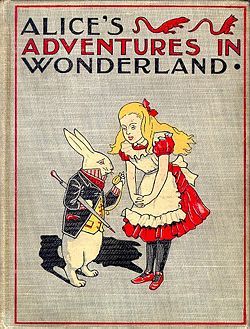
Alice’s Adventures in Wonderland

“In that direction,” the Cat said, waving its right paw round, “lives a Hatter: and in that direction,” waving the other paw, “lives a March Hare. Visit either you like: they’re both mad.”
“But I don’t want to go among mad people,” Alice remarked.


Somehow I never read this as a kid. I saw the movie, enough times to have its songs playing in my head as I read this (“We’re painting the roses red / painting the roses redddddd”), but I never went near the book, for some reason. But…now I have done, because I didn’t realize how short it is. I probably should have checked before adding it to the Classics Club list! Per the rules, I have to have a review of sorts for it, though I don’t know what there is to say given that most everyone knows the story. We open on a little girl named Alice who’s bored of her sister reading a book without any pictures or conversation, who ‘wonders’ away and spots a rabbit with a pocketwatch and gives chase to it, leading to her falling down a hole into a place filled with argumentative animals who absolutely adore talking nonsense. I’m told that there are many allusions in the text that a modern audience misses completely, Victorian references that we’re blind to; one allusion that I’ve heard over the years is that the scene of roses being painted was a reference to the War of the Roses, with the Queen of Hearts being one of those wicked Lancastrians instead of a Tudor. The entire story is a stream of absurdities, between the enigmatic dialogue and the actual goings-on. No wonder it inspired a song about drug trips. I suspect that the story made its way into the Classics Club Strikes Back list because of this pioneering (and trippy) music video made by Pogo:

Posted in Classics and Literary, Reviews | Tagged , , , | 7 Comments

The best of 2020 — in books

2020 was….a heck of a year. Hurricanes, pandemic, fires,  the existential dread of an election featuring a wide variety of creepy corrupt politicians, all with their own plans for spending other people’s money badly and killing people overseas on behalf of other people overseas. At least we had books! This year’s major project was Mount Doom, my TBR pile. Halfway through the year I created a challenge for myself, scheduling two TBR books per month and only allowing myself to buy 1 new book for every 4 TBRs I finished.  I read nearly 40 TBR titles, well beyond my initial goal  (12) and then my challenge goal (24). 

I purchased 88 books this year, the other hundred being loans — largely from the library, but with a handful of friends’ books thrown in. Astonishingly, physical books had a 12 book lead over ebooks; I suspect the TBR helped with that. To no one’s surprise, nonfiction lead the way with just over two thirds of my reading. Speaking of numbers and such,   who’s ready for pie?

There were a lot of surprises this year. Science, for instance, absolutely dominated history until late September, when during a corona quarantine I devoted myself to my history-laden TBR pile and it retook the throne. Science still had a year to be proud of, though, with THIRTY BOOKS — well past my optimistic, 20 book goal. Religion and philosophy, usually subdued by all the big boys, was right out there with them this year. A sign of the times, perhaps; science and philosophy both helped me survive all the rotten news and rotten feelings of the pandemic, riots, etc. Let’s have a look at some of the biggies for this year! Bolded titles were on my top ten list.

History was the queen of the stack, as usual, but..boy, were the topics on the sad side:
[*]Smuggler Nation, a celebration of free spitis who made history by frustrating the avarice and arrogance of the state
[*]Ring of Steel, a history of the Great War from the Germano-Austrian side
[*]Black Wave, a thoroughly depressing history of how Saudi Arabia and the Iranians mullahs’ propaganda war drove ruin upon the middle east
[*]This Republic of Suffering, a review of how the death toll of the Civil War changed American culture.

Science had a banner year, with thirty (!!!) books read, well past my high goal of 20.
[*]The Goodness Paradox: The Strange Relationship between Violence and Virtue, Richard Wrangham
[*]An Elegant Defense: The Extraordinary New Science of the Immune System
[*]Suspicious Minds: Why We Believe in Conspiracy Theories, Rob Brotherton
Spillover: Animal Infections and the Next Human Pandemic, David Quammen

Religion and Philosophy
[*] 12 Rules for Life, Jordan Peterson
[*]The Four Loves, C.S. Lewis
[*]How Dante Can Save Your Life, Rod Dreher

Politics and Civic Interest
[*]A Bright Future, Joshua Goldstein & Steffan Qvist
[*]Losing an Enemy, Trita Parsa
[*]Is Reality Optional?, Thomas Sowell

 Next year, foreign-policy books and geopolitics will be treated as part of a separate World Affairs category which will also include books about things in countries outside the USA.

Society and Culture:
The Coddling of the American Mind, Jonathan Haidt & Greg Lukianoff
The Vanishing American Adult, Ben Sasse
Palaces for the People, Eric Klinenberg

Technology and Society
[*] Harvard and the Unabomber, Alston Chase

General fiction was small but mighty:
[*] Where the Crawdads Sing absolutely floored me.
[*] American Dirt  can’t rival it, but it was far and away the second-best.  

Historical fiction had its usual fair showing, and I was especially glad that I drew from a variety of series, settings, and authors.
[*] Max Hennessey’s The Bright Blue Sky and The Lion at Sea
[*]Richard Howard’s Napoleonic cavalry series, beginning with Bonaparte’s Sons

Science Fiction virtually fell off the radar in 2020, save for Star Trek and Firefly titles: [*]Station 11 employed a distinct narrative style
[*] The End of October hit all too close to home with its own coverage of a pandemic erupting from Indonesia. 

Star Trek (and Star Wars)
[*]Uncertain Logic, Christopher L. Bennett
[*]Storming Heaven, David Mack. The end of the Vanguard series, one of the highlights of the Primverse.
[*]Enigma Tales, Una McCormack
[*]Seven of Nine, Christie Golden
[*]Star Wars: Darth Plageius, James Luceno

Posted in General | Tagged | 4 Comments