Today’s prompt from Long and Short Reviews is, “What’s a book you wish were more popular?”
“For in the end, [Huxley] was trying to tell us what afflicted the people in ‘Brave New World’ was not that they were laughing instead of thinking, but that they did not know what they were laughing about and why they had stopped thinking.”
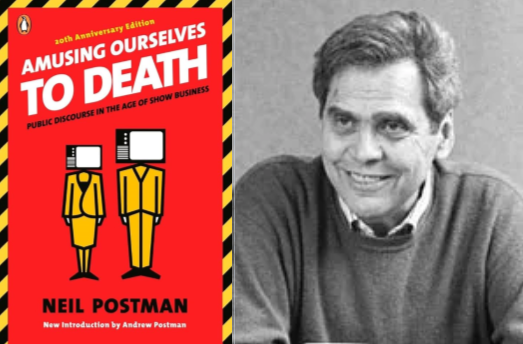
Neil Postman’s Amusing Ourselves to Death was published in 1985, but Postman’s analysis of how modern technology, especially television, trivializes information and supplants it with entertainment has neverbeen more relevant than in the age of news via-facebook, news-via twitter, news-via-tiktok, etc. where reactions and emotional shares matter more than say, thoughtful substack analysis of events. I remember being blown away by Postman when I stumbled on him — completely by accident! back in ’07, ’08. He is the reason I didn’t buy a smartphone until 2018. I owe him a re-read.
And now, to WWW!
WHAT have you finished reading recently? I finished my big California Diaries re-read, as well as a history of St. Petersburg that had been my lunchtime reading at work for the last month or so. Review to follow today.
WHAT are you currently reading? Still working on Family Unfriendly: How Our Culture Made Raising Kids Much Harder than it Needs to Be, and recently started Star Trek: Firewall by David Mack. There are a multitude of Kindle NF titles I’ve read like 10% of and then got distracted by.
WHAT are you reading next? I REALLY SHOULD FINISH THE VOLCANO BOOKS. BOTH OF THEM. (Mary Beard’s Fires of Vesuvius, on Pompeii, and Mountains of Fire: The Menace, Meaning, and Magic of Volcanos by Clive Oppenheimer.
And….here we are, at the end of one of my absolute favorite series. The third round is a bit like Return of the Jedi, in that we have really strong books plus some stuff that, like Ewoks, feels more like filler in that they’re one-off issues that haven’t appeared before and won’t show up again. Still this conclusion has a lot of great moments in it. This has been a huge dose of escapist nostalgia for me: it was nice to return to a world where no one was using cellphones, where people would drop by one another’s house just to see if they were there and wanted to go hang out at the park.
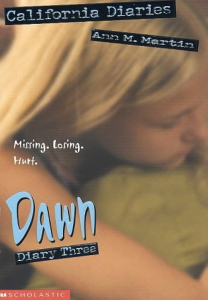
Dawn and Sunny still aren’t speaking, despite Mrs. Winslow getting closer and closer to the end. A happy distraction has arrived, though, in a form of a concert that features a guitarist Dawn is absolutely smitten with — obsessive, silly smitten, a fun change from our usual serious, introspective and grounded Dawn. After she and Amalia fail to score tickets, they’re distraught — but enter Ducky, who had gotten four. Ducky will be happy to take Amalia, Dawn, and Sunny along with him. Oh, boy. enter the awkwardness. Things get worse at the concert when Sunny acts out in a way that hurts Ducky — yes, St. Ducky, the amazingly considerate Ducky, the guy who is there for her even when he’s dealing with his own stuff. Granted, Ducky does open the door to a night of bad decisions on everyone’s part when he agrees to drink a rum & coke that a friend of his brother’s provides, but Sunny makes things a lot worse than they needed to be. Granted, her mom is on the precipe of death, but that’s no excuse for near-emotional abuse of friends. Still, her friends love her more than their despair of her recent behavior, which leads to reconciliation at the end despite the 2 am screaming.
Quotes:
“He tried to kill himself. He tried to kill himself.“ “But maybe I wasn’t a good enough friend to him.” “Oh, that is so self-centered. Don’t give yourself so much credit.” Ducky looked wounded, just for a moment. Then he burst out laughing. “I don’t know whether to feel insulted or comforted,” he said.
I DO NOT UNDERSTAND SUNNY.
But I still wish we were best friends again.
We all kind of agreed that NO MATTER WHAT Sunny’s reaction to us was, we would rally around her. We would MAKE her be our friend again, and then we would stick with her through the worst, until things got better again, and forever. Because that’s what friends do.
Sunny, Diary 3:
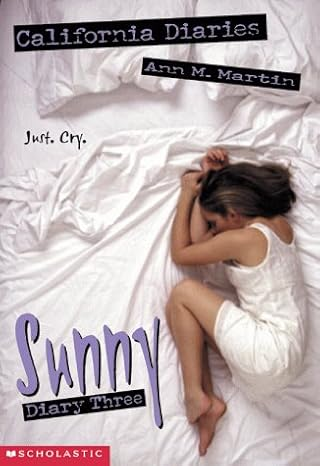
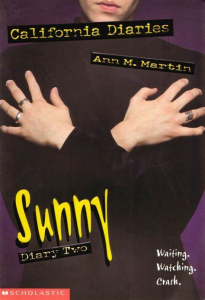
Sunny’s third and final diary in this series is…..bittersweet. As you might guess from the cover, the great horror that has been steadily growing through the series, the black hole that is Mrs. Winslow’s death, will here have its victory. The journal is divided into two parts: the first are Sunny’s entries from the last few days of her mom’s life, as she, her dad, and her aunt Morgan rally around one another and brace themselves. Dawn is there, the girls having mended fences, and — after a scene where Ducky and Sunny have a heart to heart — so is he. This section of the book hits rougher than it did twenty years ago, given that teenage-me had yet to experience a serious death. As sad as this part of the book is, I was looking forward to certain elements of it, because this is the book that the reader really gets to know Mrs. Winslow. In the previous books she’s been part of Sunny’s life, but when Sunny can get past her dread and despair enough to go see her mom, there’s usually someone else there. We get glimpses of their relationship, glimpses of the person, but never a full look. Here we get that, as Sunny talks to her mom here more than she has in the previous books combined. Mrs. Winslow gives Sunny her journals, and Sunny begins to read (and share them) in the second half. This book is both sad and sweet — heartbreaking in what Sunny has to endure, but bracing and comforting realizing that despite Sunny’s frequent failings, grace has prevailed and she, her family, and her friends are facing this together.
My brain is no longer my own. It’s been hijacked by Mom. I hate you, Mom. I love you, Mom.
“It does feel that way. You just have to remember that the way things feel isn’t always the way things are.”
“Morgan,” said Mom, “tell Sunny what you felt would be an appropriate baby gift when she was born.” Aunt Morgan and Dad began to laugh. “Oh, no! That was deranged!” cried Aunt Morgan. “Tell me,” I said. I couldn’t imagine what they were laughing about. “No!” said Aunt Morgan. “Okay, then I’ll tell,” said Mom. “Sunny, two days after you were born, your aunt Morgan flew out here and showed up at our house bearing a huge bottle of vodka. A pink ribbon was tied around its neck.” I wrinkled my nose. “Vodka for a baby?” I said. “No, for your parents!” exclaimed Aunt Morgan. “I couldn’t think of a better gift for two adults who were about to have their entire lives turned upside down.”
Should I be writing all these things down? I don’t know. I am chronicling my mother’s death. It doesn’t seem right.
THIS ISN’T HAPPENING THIS ISN’T HAPPENING THIS ISN’T HAPPENING THIS ISN’T HAPPENING
A half hour later Amalia had joined Dawn, Ducky, Maggie, and me. Now the five of us were sitting around crying, laughing — and talking a bit more than we had been earlier. When was the last time the five of us were together in one place other than school? Was it the night of that dreadful party, the night we met Ducky? That was months ago. It seems like forever ago. I have been so horrible to most of my friends lately. And here they all were, gathered around me like a cocoon. Protecting me. Loving me. Not caring how horrible I’ve been. For just a second I felt a teeny, teeny bit better. Then I remembered what is going to happen tomorrow.
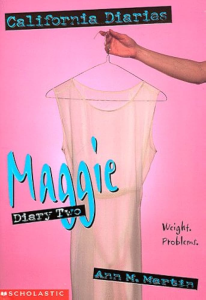
Maggie, diary 3. After the emotionally intense ride that was Sunny’s finale diary, Maggie is almost comfort food. The therapist that Amalia found for her in round two is working wonderfully, and Maggie has realized that she was being so restrictive about her food because it was one of the few areas in her life she had any control. At a movie-launch party (…boy, her dad is busy with his movies — three in one year!), she bumps into a rising teen star Tyler something-or-another, and they hit it off, which leads to Maggie and VANISH being invited to be extras in one scene, providing authentic teen-garage band sound vibes to the movie. Her relationship with Tyler is very up and down, because as much as she likes him, she wonders how on the level he really is. Even if he’s not just a shallow, limelight-obsessed actor who doesn’t have the seriousness for a real relationship, what if he’s using her because of her father’s connections? Given that the reader has only just met Tyler, the stakes in this book are very low — a possibly needed followup to the intensity of the preceding book.
Quotes:
Ducky said that our lives over the past few months would make a good TV series. “It certainly wouldn’t be a sitcom though,” said Amalia. “If it’s not a comedy then I don’t want my character in it,” Sunny told us. No one said anything. But we were all thinking, How can it be a comedy if your mother dies in it? “My mother would want it to be a happy series,” Sunny said softly. “She loved to laugh.”
Amalia, diary 3. This has a bit of a Very Special Episode feeling going on: while Amalia is dealing with general life stuff (finals, ambiguity in re this guy she’s been going out with, but not Dating), but then one night during a date, she’s confronted by a group of drunk mean girls who physically assault her and even spit on her out of ethnic hate, so she’s dealing with the pain and anger of that, which is amplified after Brendan begins distancing himself from her — either because he doesn’t know how to deal with her having feelings in general, or doesn’t know how to approach the issue of prejudice. To make matters worse, Amalia’s emotional state leads her to lash out at Maggie, who has been hanging out a lot at Amalia’s place to avoid her drunken mother and workaholic-control freak father. After Amalia’s sister Isabel shares her own experiences with Amalia, she realizes how to rise above the pain and not let it deform her. Given that we’re pushing toward the end of the series, Amalia and Maggie also make up.
Quotes:
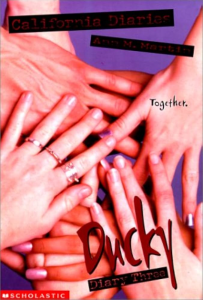
Ducky, diary 3. We approach….the finale. Amalia is still wrestling with commitment issues in re: Brendan, who she really likes but doesn’t want to fall for. Maggie’s mom is no longer spiraling out of control, she’s an absolute train-has-left-the-tracks-and-is-about-to-wipe-out–a-city. Ducky literally has to wake up in the middle of the night and pick up Maggie and her little brother, because their mother is in a drunken rage so severe that Maggie almost calls the police. (Where is dear old dad? Working on yet another movie.) Helping Maggie is as bit of a relief for Ducky, because things with Sunny are getting weird. Of all the relationships in this book, I’ll admit to liking Ducky and Sunny’s the best — in part because Ducky is such a wonderful guy who becomes for Sunny exactly what she needs: a big brother who cares about her as she is, not as a potential love interest. Their senses of humor and style mesh perfectly. Through all the chaos of the past year, he’s been there for her — and to a more limited degree, she for him, giving him someone to talk to about his own problems even if she’s a bit distracted by cancer and boys. But now…she keeps laughing at his jokes a little too hard and he keeps seeing her give him strange looks . And then she kisses him, but — well, there’s no floating hearts, no rising “Love Theme”. Ducky loves Sunny, but not….that….way, and he doesn’t know what to do about it. He’s reluctant to ask the girls about it, because….well, isn’t Sunny more their friend than his? Fortunately, their connection leads to a beachside talk, whereupon they agree to be Best Friends, and the book and series end with a sweet pizza party. I was really sad when this series ended, but it was a nice final book.
Quotes:
Heartburn and Heart Pain This could be the title for a country music song. Taco takeout indigestion. And stupid, stupid, stupid Ducky. Asking Ted’s advice? AGAIN? WHAT WERE YOU THINKING?
“Don’t get all mush-brained on me. That’s probably why I kissed you in the first place—the mush factor of summer.” “And I thought it was my unique sense of style,” you joke back. Sunny rolls her eyes. “I’ll give you unique,” she says. You laugh. “You’re the one who dreams of personalized bowling shirts,” you say. And Sunny laughs. It feels so good. Best friends.
You look up at the stars. If you wished on a star, you’d wish for friends exactly like these. You, Christopher, are one lucky Duck.
Today’s TTT is a freebie about relationships, so I’m going to just throw out the first platonic relationships that pop up in my head. But first, teases!
I half joke that raising children inculcates the virtue of detachment. You learn not to love any physical belonging too much, because you know it might be destroyed any minute. (Family Unfriendly)
“I don’t want to mess us up,” you blunder on. “Keep talking like that, you will,” she shoots back. Light. Fast. A smile with glitter on it. You get the hint. Sunny is smiling but that is not a happy smile. It’s a smile that says: Shut up, Ducky.You’ve hurt my feelings. So you shut up. (Ducky, diary 3. Ann M Martin.)
Harper: So, you and me are going to stop a rebellion? Sharpe: Well I don’t see no bugger else.
(1) Battle-bros:Sharpe and Pat Harper. These two are great together. From their first meeting in a brawl, they grew to be family, and Cornwell’s gift for funny dialogue is never better than with these two.
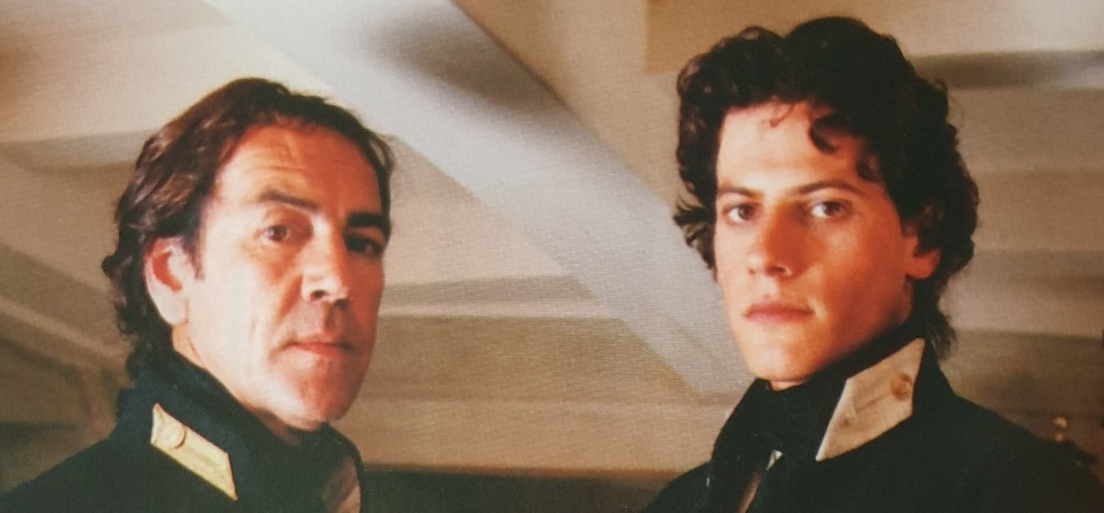
(2) Captain Dad: Sir Edward Pellew and his fictional protege, Horatio Hornblower. Realizing that Pellew (in real life) rose from the ranks himself throws Pellew’s paternal affection for ol Horry in a new light.
(3)We’re Neither of us Quite Sure, Ducky and Sunny. Ducky is a sixteen year old who rescued Sunny and her friends from a hazing incident, and became a taxi-driver and friend to them — but was especially close to Sunny, very much like a brother. Although all of their friends ship them, a kiss makes them realize that whatever their bond is, it’s not the romcom kind. Actually re-reading Ducky diary 3 now.
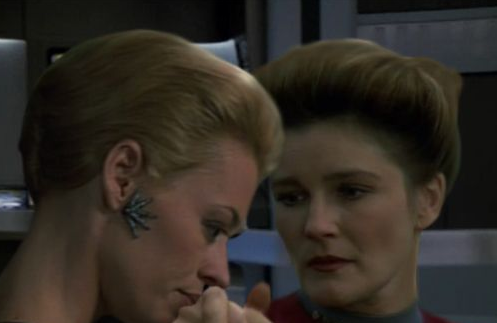
(4) Captain Mom. I love the near mother-daughter bond between Captain Janeway and Seven of Nine: Janeway made the decision to remove Seven from the collective, and as such feels a sense of responsibility for helping her reclaim her humanity. These two have both appeared in ST Voyager books, so I’m claiming it.
(5) My enemy, my unwitting ally: Gollum and Frodo. As you may know if you’ve read LOTR, there’s a moment when Frodo could kill the treacherous Gollum, but — in a moment of hesitation, wondering at what goodness the creature might still possess — he stays his hand. Given that Frodo falters at the last and it’s Gollum’s obsession with The One Ring that leds to it being destroyed, Frodo’s mercy essentially saves Middle Earth from Sauron.
(6) Jayber and Athey Keith. In Jayber Crow, a barber in search of the answers to Life, the Universe, and Everything washes up (literally — there’s a flood) in Port William, a declining agricultural village in Kentucky. He encounters a a great many people he will grow with over the years, none more important than Mattie Keith, a woman he loves unrequitedly, and whose father is an inspiration to him. Every time I read Jayber I’m touched by Jayber’s devotion to Athey in his declining years as they watch his work being steadily eroded by Mattie’s husband, a faithless and ambitious hound.
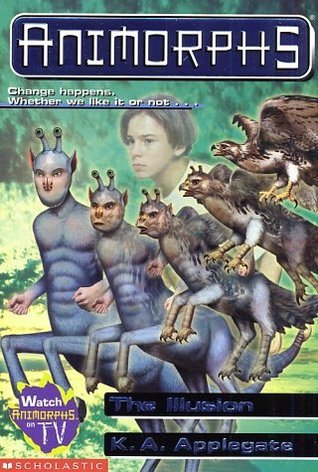
(7) Brothers across the stars: Tobias and Ax, from Animorphs. Early in the series, Tobias was stuck in his redtailed hawk morph, and the distance this put between him and his humanity made a stronger bond with Aximili (etc etc), the marooned Andalite teenager, easier to build. They also had a unique relationship with Elfangor.
(8) Aslan and Edmund. I always marvel at Aslan’s love and mercy toward the treacherous, cretinious Edmund of The Lion, the Witch, and the Wardrobe.
(9) Cato and Macro, the young pup and his grizzled mentor. They have an interesting dynamic because Cato quickly outstrips Macro in rank, but remains open to his guidance.
(10) Dex and Moss, just a monk and a robot out wandering and looking for answers.
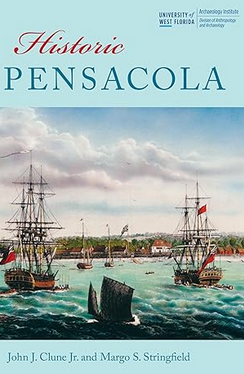
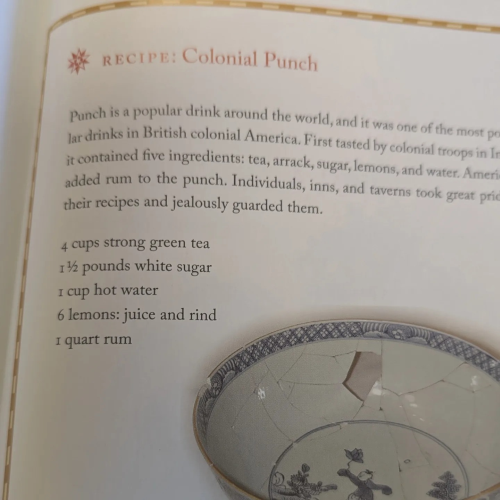
I don’t know that I’d ever given much thought to Pensacola before immersing myself in Florida’s colonial history prepping for my St. Augustine weekend a few years back, but reading those made me aware of how chaotic and interesting Florida’s history truly was — swapping hands between the Spanish and British, being invaded by Georgia, etc. I’m planning on visiting Pensacola in about a month and wanted to establish some background before I did. This attractive book is published by the University of West Florida, and features a lot of photos of archaeological finds. As we begin, the Spanish have a strong presence in La Florida, and another in New Spain, but there’s a vast gulf betwixt them with an alarming amount of English and French interest in the area. Early scouts vouched for both Mobile Bay and Pensacola Bay as potential areas to establish power, but an attempt to settle Pensacola in 1559 met with disaster as a storm destroyed the supply ships before the colony was even founded.It would be eighty more years before the Spanish returned to Pensacola Bay, distracted by wars and power plays in Europe. Pensacola would feature in those same struggles for power: established primarily as a military post, Pensacola fell to the British during the French and Indian War, but would return to the Spanish during the American Revolution — and remain Spanish until General Andrew Jackson attacked the city despite deliberately clear instructions from DC that he let sleeping dons lie. As mentioned, this is an archaeological history, and has no shortage of great color plates: reproductions of old maps, paintings of the bay and its people, archaeological finds like glassware, pottery, crucifexes, and the like. Most attractive. Interestingly, there are also recipes for colonial treats, like their version of punch which…golly, did they like their sugar. These, plus the margins, make this 200 page book read much more like a 100 page books, but it was a nice overview to early Pensacola. I’ll be staying downtown and plan on checking out the museum there: it will be interesting to see how many of its pieces show up here.
Blast from the Past II isn’t quite over — I’m doing another California Diaries post for sure — but the “normal” stuff will be filtering back in this week.
We open round two with Sunny, who is…still not doing well. Her last diary ended with her trying to run away from home with an older teenager, which ended in her being rescued by Ducky in the middle of the night. Her home life has deteriorated further, and she’s started crashing at Dawn’s place, where the attention she’s giving Dawn’s stepmother Carol is adding to the growing tension in the girls’ relationship. Dawn tries to get on with Carol, but the woman is immature, and — really, shouldn’t Sunny be focused on HER mother? You know, the woman dying of lung cancer? It’s not that Sunny doesn’t want to be there, but facing the increasingly imminent reality of her mother’s death isn’t something she appears able to do. Instead, she seeks escape in the attentions of older boys and the excitement of cutting classes to go rollerblading at Venice Beach. Although Sunny’s self-absorption and recklessness are very obvious to the reader here — especially when impatiently listening to Ducky vent to her his fear and sadness about his depressed and suicidal friend Alex — so too is her despair and pain — feelings she tries to escape from. Unfortunately, her flirtations with the fellas will lead to near-disaster and a massive fight with Dawn that ruins their sister-ship. There’s a lot of “Oh, Sunny” from the reader in this book — sometimes in sympathy, but at the end in exasperation.
Dawn the devoted. Dawn the perfect and perky. How. Can. She. Be. So. Up? “Hi, Mrs. Winslow. You’re looking so pretty, Mrs. Winslow. Is there anything I can do for you, Mrs. Winslow? Come on, Sunny, let’s prop up the bed/call the nurse/get your Mom some food/tell her about school today.” And now she’s in the bathroom, helping Mom, while I’m out here feeling like a jerk. I should be with Mom. I would be too if my best friend weren’t such a girl scout. I want to help. But whenever I’m about to offer it, Dawn speaks up first. I wish Ducky were here. He calms me down. Oh, well. He should be pulling into the parking lot any minute. With Maggie and Amalia. Just in time for our shopping spree. Maybe Dawn won’t come with us. Maybe she’ll decide to stay on as Mom’s personal aide. Maybe Mom will adopt her. Dawn and I can switch. I’ll become a Schafer, she’ll be a Winslow.
“Don’t waste time with people who take advantage of you,” I told Ducky. I should know. “He’s a good guy,” Ducky insisted. “Just seriously depressed. He’s been cutting school. Disappearing without letting his Mom know where he is. Acting hostile to everyone ” “Sounds like me,” I said. “Sometimes I worry about you too,” Ducky replied. “But I know Sunny. You’re there. With a heart and a soul. Alex is lost. You’re not.”
That’s what Dawn doesn’t see. She can’t have her heart broken at the sight of Mom’s body. She can’t look inside Mom’s eyes and see sorrows and triumphs and scoldings and kisses and late nights and lazy mornings and country walks and long drives and plays and pottery and softball games and sicknesses and years and years and years, all gone for good but somehow still there. I can see them. It’s like they’re crowded together in a room the size of Mom’s soul. And the door to the room is about to close.
Dawn, diary 2, kicks off with Dawn’s version of the argument that ended her and Sunny’s seven-year friendship, and shows how Dawn is really the ground of this series. She’s the most empathetic, able to see what’s happening from other’s point of view — but her own feelings are on top of that. She has some appreciation for Sunny’s pain but doesn’t think it excuses Sunny’s escapism and general recklessness. Stress is increasing in Dawn’s life in general: her stepmother has been confined to bed for the duration of her pregnancy, and Maggie is getting little….weird. Like, stressing out over her figure even though she resembles Twiggy. As finals approach and Dawn starts getting ready for a visit back to BCS-land, she yearns for reconciliation with Sunny but at least has the happy distraction of Carol’s successful delivery of a little sister, Elizabeth Grace — partially named after Mrs. Winslow. Both Dawn and Sunny are emotionally intense.
Quotes:
“It’s hard to be around someone who isn’t talking to you and keeps running away,” I muttered. “I know,” Ducky said softly. I realized that Ducky was thinking about Alex.
“Ducky,” I said with a laugh. “You should be a shrink. You would make a great one.” “You think so? I was sure my true calling was the taxi business.” “You could be Shrink-on-wheels,” I suggested.
Maggie, diary two, opens with an ominious caloric recording with the declared goal of getting down to 90 lbs. She soon does away with this, declaring it gives food too much power over her life. School is out for the summer, but Maggie is staying busy: not so much with band or romance, since her refusal to eat much while on a date has soured her interest in both her potential fella and the band they’re both part of, but with helping a local animal shelter. At first she was just a dogsbody doing grunt work, but as her mother’s drinking problem escalates, Maggie finds herself taking on more of her mother’s own responsibilities toward the shelter — like organizing a fundraiser. She’s thirteen! Ultimately, the book ends in a ….bad night for the Blume family, with screaming and crying and statuary being broken, and Maggie herself is shattered as she begins realizing that she and her mother might have different but similar problems. Re-reading this, I was surprised that she realized she might have an issue so quickly, but when the books were originally being released, it was something the reader was already familiar with, having been developed in the previous diaries through the other kids’ eyes. Plus, as G.I. Joe cautioned, knowing is only half the battle: simply knowing she has a problem is only the beginning.
Quotes:
I wonder what would be worse: Mrs. Hayden Blume, HCA Benefit Chairperson, as a no show. Or, Mrs. Hayden Blume, HCA Benefit Chairperson, shows up drunk. I’m sick of the benefit. I’m sick of life. I’m going to bed.
When she poured her second drink, Dad said, “Eileen, I want you to stop this right now.” Mom kept pouring and replied, “Hayden, I want you to mind your own business right now.” As I wrote that, I had the strangest thought. Did I sound like that when Justin was trying to get me to eat?
“I don’t have a—” I began to say. I stopped myself. That was what my mother said about her drinking. And she has a problem.
Amalia, diary 2 opens with intense worry over Maggie. Amalia’s been trying to ignore the obvious or excuse it as a nervous stomach, but after reading an article in a teen magazine she’s realized that Maggie may have a serious issue. A lot of the early part of this is Amalia diving into Cyberspace and downloading materials to help her understand and approach Maggie. Soon, however, her own problem resurfaces: James, the abusive ex, is now morphing into James the creepy-crawler stalker. As with her original journal, there’s a lot of art & drawing in this one: Amalia finds it easier to draw scenes than write them out, and the boon for the reader is that we get to see facial expressions, that sort of thing. (Er…to a degree.) In happier news, VANISH is starting to recover from the loss of its guitarist Creepy Crawler Stalker Boy and about to play its first paying gig.
Maggie admitted that she’s talked to me too. She swore Dawn to secrecy, but she doesn’t mind if Dawn and I discuss her problem. “Let’s just keep it in the family,” she tells Dawn. Family. I guess that’s what we are. Families care. Stick together. Support and love each other.
And finally, we close round 2 with Ducky, who is about to have adults back in his life. The parents are returning from Ghana, meaning his college party bro Ted can no longer destroy the house with his buds. And maybe, just maybe, Ducky can find some adult support for everything going on in his life, which is a bit much. You know, the one friend transforming into a Cro-Magnon, the other going down the lonesome road of drinking and depression, another friend dealing with a dying mom — all that. Plus, you know, high school. Except…whoopsie, they’re going back in a couple of weeks. Ducky, while being the supportive big bro & taxi driver, is struggling himself, and the girls are picking up on it — so much so that they try to ambush him with chocolates and flowers.Things bottom out when Ducky encounters Alex in another suicide attempt, one that can’t be excused as an accident– but the good news is now that Alex’s problem has become obvious to someone besides Ducky, Alex can get the help he needs and Ducky is no longer along in the burden. There are strong similarities between Ducky and Amalia’s diaries in this round — both of them sharing information with the reader on recognizing anorexia and depression, and help for talking to those with the issue, not to mention both characters being alone in being their friend’s support but then finding relief.
Quotes:
OK, nothing you can do now. Except CLIMB. Try to enjoy it. The way you used to. It’s the only athletic thing you and Alex were ever good at. Just make sure the ropes are secure and the pitons are tight. And TRUST him. You have to. The rocks are pretty steep. One false move, and you could be in serious trouble.
“Ducky, are you OK?” Amalia asks. “Yup. Fine.” “Do you need to talk?” You’re so preoccupied, you don’t hear the words right, most specifically the word YOU. Somehow you’re hearing HE, meaning Alex, and you reply, “He does, really badly. But I think he’s stopped seeing his therapist.” Amalia’s looking at you weirdly. “Not Alex. You.” You laugh and say no, not me, not Good Old Ducky, I don’t need to talk.
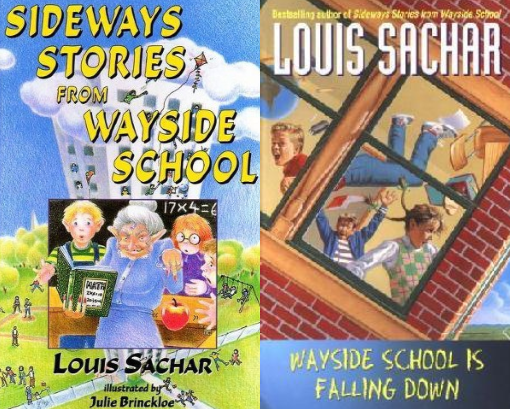
Wayside School was, I believe, my introduction to absurdist writing, and Sachar was a master at it in the realm of kiddie-fic. Imagine a school built sideways: instead of being 30 classrooms in a single-story campus, it’s a thirty-story skyscraper with a classroom on each floor. That’s Wayside High, and its residents are even screwier than the school. In each of the first two books (Wayside High Under a Cloud of Doom being somewhat different), we visit each student in Mrs. Jewls’ class in turn — at least, once mean Mrs. Gorf, their original teacher, does the class a favor and gets herself eaten by the janitor, Louis. (Louis isn’t a cannibal, it’s just that Mrs. Gorf had been tricked into turning herself into an apple, and she looked so shiny and red…) Most of the kids are extremely memorable, especially Sammy who is a dead rat pretending to be a child by wearing an abundance of coats. As that description implies, this is not a normal book of school stories. There are plenty of things that are “real” — Paul’s constant temptation to pull Leslie’s pigtails, the fight for the “good” equipment at recess, that sort of thing — but even the real elements have a spin on them. The quality of a kickball, for instance, depends entirely on its color, and in one story a girl who forgets that it’s Saturday and comes to school is interviewed by mysterious G-Men who want to know why. (The G-men appear to dwell in the basement and make an appearance every book.) And then there’s Ms. Jarves on the 19th story, who — as everyone knows — doesn’t exist. This is a running joke: one student who is inexplicably invisible stumbles into the 19th story, and in another an errant kickball strikes between the 18th and 20th stories and promptly disappears. Enjoyment for the reader is doubled by Sachar have the characters be aware of the absurdity to some, like when Rondi realizes she’s being complimented on clothes she’s not wearing and starts doubling down on it — and another kid realizes she can use Mrs. Jewls’ “no dead rats in the classroom” policy to get to recess in time quickly enough to get a green ball, by pretending to be a dead rat. When I looked for a copy of these, I found an omnibus series that also included Wayside School Gets a Little Stranger. I can’t remember if I’ve read it or not, but the substitute teacher with a third ear seemed vaugely familiar. Of the three, I still enjoy Sideways Stories the best, despite Falling Down being my first exposure to the series.
Coming up: edutainment, books boys aren’t supposed to read, and more California Diaries. That’ll do the week, I think..
Quotes:
Allison stood up. “I’m not a monkey,” she said. “I’m a girl. My name is Allison. And so is everybody else.” Mrs. Jewls was shocked. “Do you mean to tell me that every monkey in here is named Allison?” “No,” said Jenny. “She means we are all children. My name is Jenny.” “No,” said Mrs. Jewls. “You’re much too cute to be children.” Jason raised his hand. “Yes,” said Mrs. Jewls, “the chimpanzee in the red shirt.” “My name is Jason,” said Jason, “and I’m not a chimpanzee.” “You’re too small to be a gorilla,” said Mrs. Jewls. “I’m a boy,” said Jason. “You’re not a monkey?” asked Mrs. Jewls. “No,” said Jason. “And the rest of the class, they’re not monkeys, either?” asked Mrs. Jewls. “No,” said Allison. “That is what we’ve been trying to tell you.” “Are you sure?” asked Mrs. Jewls. “We’d know if we were monkeys, wouldn’t we?” asked Calvin. “I don’t know,” said Mrs. Jewls. “Do monkeys know that they are monkeys?” “I don’t know,” said Allison. “I’m not a monkey.”
“Boy, this is just great,” thought Calvin. “Just great! I’m supposed to take a note that I don’t have to a teacher who doesn’t exist, and who teaches on a story that was never built.”
Mrs. Jewls got very angry. She wrote Rondi’s name on the blackboard under the word DISCIPLINE. “The classroom is not the place for jokes,” she said. “But, Mrs. Jewls,” said Rondi. “I didn’t tell a joke.” “Yes, I know,” said Mrs. Jewls, “but the funniest jokes are the ones that remain untold.”
“The computer will help us learn. It’s a lot quicker than a pencil and paper.” “But the quicker we learn, the more work we have to do,” complained Todd
He looked around at his classmates. “Doesn’t anybody think I’m weird?” “No, you’re not weird!” said Sharie. “I’ll tell you what’s weird. What’s weird is bringing a hobo to school for show-and-tell. I’m the one who’s weird.” “That’s not weird!” said Bebe. “What’s weird is telling everyone you have a brother when you don’t. I’m the weirdo!” “You call that weird?” exclaimed Stephen. “I’m weird. Who else would choke himself just to look nice?” “That’s not weird,” said Jenny. “That’s normal. Try reading a story backward. That’s weird. I’m the weird one in this class.” “That’s a laugh!” said Rondi. “If you’re so weird, then how come you never asked Louis to kick you in the teeth? I’m the one who’s crazy!” “No, that’s not crazy,” said Todd. “I’ll tell you what’s crazy. What’s crazy is that we all go to school on the thirtieth floor, and the bathrooms are way down on the first!” Everyone agreed with that, even Mrs. Jewls. Benjamin shook his head. What a bunch of weirdos! he thought. Then he smiled. He felt proud to be in a class where nobody was strange because nobody was normal
Dana raised her hand. “I learned about exaggeration,” she said. “It was all my teacher ever talked about. We had like ten thousand tests on it and the teacher would kill you if you didn’t spell it right.” “That’s very good, Dana!” said Mrs. Jewls. “You learned your lesson well.” “I did?” asked Dana.
Dana walked to Mrs. Jewls’s desk. “I can’t think of anything that rhymes with pink,” she complained. “I’m sure you’ll think of something,” said Mrs. Jewls. She winked at her. “I can’t think,” said Dana. “My mind’s on the blink. I’m no good at poetry. I stink!” “Just keep trying,” said Mrs. Jewls.
“How do you know?” asked Leslie, although she sounded like Paul. “And how’d you know to smash a pepper pie in Mr. Gorf’s face “I wasn’t exactly sure,” explained Miss Mush. “But when I came up the first time, I heard Kathy say ‘Have a nice day.’ So, either Kathy had decide to be nice to me, or Mr. Gorf was a mean teacher who sucked children’s voices up his nose.” She shrugged. “I just didn’t think Kathy would be nice.
Miss Zarves taught the class on the nineteenth story. There is no nineteenth story. And there is no Miss Zarves. You already know all that. But how do you explain the cow in her classroom?
I was going to do a big Sachar post, but realized it would get…erm, unwieldly. Going to seperate Marvin and the Wayside kids up!
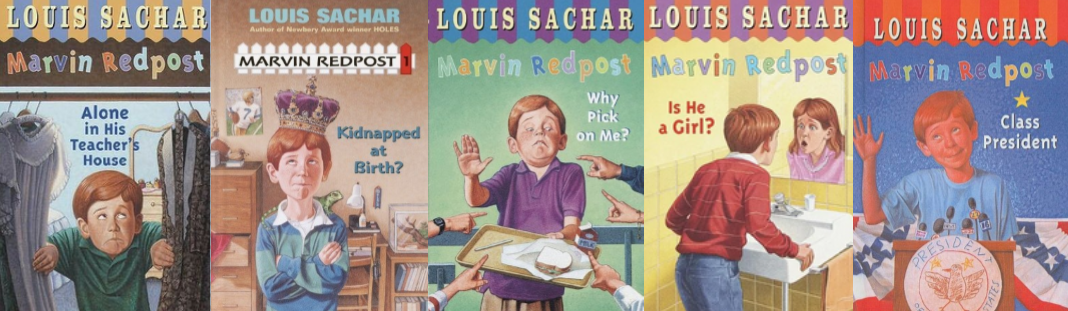
Marvin Redpost
When straining the ol’ cranium for books I was reading in the nineties, an image wafted before my eyes and disappeared into the breeze. It was a boy with with red hair, and a ….red fence. No, A red post! Marvin Redpost. I couldn’t remember much of anything except the first book involving Marvin thinking he was an abducted royal prince, but that was enough to induce ebay and Amazon to begin burping up book titles.
Abducted at Birth begins the series, with poor Marvin forced to scour the news for an article to share with the class. He learns of a royal prince who was abducted at birth — his same age, with his same red hair and blue eyes. No one else in his family has red hair and blue eyes. Maybe he was switched at birth! Writing down a phone number from a TV ad, Marvin calls the King and arranges for a blood test — but interestingly, when he’s a possible match (very possible, he has O- blood) and is sitting for a more in-depth HLA test, he decides he couldn’t possibly be the abducted prince because he doesn’t speak with the king’s funny accent. Reading this as an adult I was mostly amused by his parents’ deciding to play-take him seriously. Marvin was lucky to have parents with such good senses of humor.
Alone in His Teacher’s House sees Marvin, regarded by his teacher as responsible, asked to feed and walk her dog while she’s on vacation. Sachar has a little fun with the mystique kids have (had?) for teachers — he’s surprised to find her living in a normal house, and acting like a normal person. Unfortunately for Marvin, her dog is rather old and will go on to that great prairie in the sky during his tenure, leading to constant anxiety and fear because he has no way to tell her — she didn’t leave a phone number!
Marvin and the Class President (1999) is not about Marvin deciding to run for class president, as you might expect, but rather his classroom being visited by the president, who wants to talk to the class about being good citizens. The students are asked to give him questions (why, no, we’re not getting into another war soon, I never heard of al-Queda), and there’s a televised event. Marvin is so distracted by all this he forgets he was supposed to go shopping with his mom, and gets fussed at until they see him on TV with el presidente. I don’t think I read this one as a kid: I would have remembered having to look in the dictionary to find out what a “bar mitzvah” was.
Is He a Girl? is a silly little story about Marvin being told by one of his female classmates that he’ll turn into a girl if he licks the outside of his elbow — which he doesn’t believe, and yet keeps sneakily trying to do, out of the same curiosity that leads us to touching wet paint. After he gets tangled up his sheets, he accidentally does kiss it, and then tosses and turns all night having dreams about going to school and realizing he’s in a dress, that sort of thing. When he does go to school, he keeps interpreting any thought and feeling through the lens of “AM I TURNING INTO A GIRL” — growing paranoid if he notices a girl’s hairstyle as being cute, or wondering what different styles would look like. These days the book would be read far more differently, of course, instead of Sachar having fun with stereotypes about girls being smarter, that sort of thing, as well as mocking the superiority complex that both boys and girls have at that age. (And which persists in some adults!)
Why Pick on Me is….well, it’s a kid’s story. Marvin is accused of picking his nose, is subsequently bullied by it — doubly insulting because his two best friends know he didn’t pick his nose but are going along with it because they’re cowards — and then figures out a way to turn the tables.
The Redpost books were extremely light reading, to say the least, and not as complete fun as the Wayside books, but I appreciated Marvin’s character, especially his befriending the class pariah after he began stressing out over who he himself was.
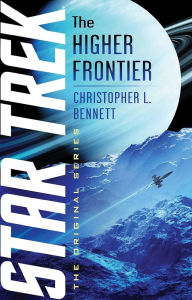
WHAT have you finished reading recently? For “real” reading, I just finished Star Trek: The Higher Frontier, a TOS-MOVIE era novel. I also read three books in the Marvin Redpost series for Blast from the Past.
WHAT are you reading now? Halfway through Family Unfriendly, which examines different aspects of American life that are inimical to families (including social media abuse and suburban sprawl). Also finishing the Marvin Redpost books (they’re super easy, barely an inconvenience).
WHAT are you reading next? More Sachar — I appaarently didn’t spotlight Wayside School last year, so I’ll be re-reading a couple of its books. More seriously, there’s The Anxious Generation, which I need to commit to and finish.
Sorry, this isn’t Blast from the Past related, but Lower Decks is still two weeks away from airing and Strange New Worlds won’t return until 2025. Had to scratch my Trek itch. Got some Louis Sachar coming!
On Andor, the polar compound of the spiraling-to-extinction Aenar subspecies is attacked and its people savagely murdered, leaving only a few score of the Aenar remaining. The Enterprise is tasked with ensuring the remaining Aenars’ safety, as well as working with planetside authorities to determine who would perpetuate genocide against so peaceful a people. When the Enterprise itself is attacked by a small group of armored warriors, though, Kirk and Spock realize there’s more here than meets the eye: this is no disgruntled Andorian xenophobes trying to eliminate a sub-species they regard as inferior and undesirable, but an unknown party apparently targeting people who are “espers”, or who have some psychic abilities. The Higher Frontier is an early movie-era book, building off of events from The Motion Picture, but before more characters began leaving the Enterprise: Kirk still commands the Big E, Spock is still his right hand, Chekov is still holding down security and hasn’t yet shipped out to The Reliant. Bennett brings back Dr. Miranda Jones, featured in “Is There in Truth No Beauty“, one of the many TOS episodes I had completely forgotten about. Here, she’s a powerful psychic human bound to another intelligence, and she’s not alone in her gifts. Since the V’GR incident, humans who identified as espers are not only growing in number, but they claim their gifts are growing in prowess as well, so much so that they begin to identify as New Humans. There’s a lot in here to make lorists happy, as Bennett includes characters like Commander Thalin, who was the first officer of the Enterprise in that Animated Series alternate-universe story, as well as Xon, who would have been the Spock of Star Trek: Phase II had it ever reached filming. (And Saavik!) The plot also does a fair bit of cleaning and scene-staging to make parts of the red-sweater movies make sense, like why there are manual torpedos on the E and why Kirk is an admiral but apparently has The Enterprise attached to Starfleet Academy. (The two are related: the Academy wants officers trained in manual systems as backups.) Bennett is one of modern Trek’s strongest authors, especially on the science front, so I enjoyed this for the most part, especially the way Bennett deals with the TOS espers who have no presence in later shows, but thought the ending dragged out a bit.
Highlights:
Despite what has been rumored about me among Vulcans, I have not renounced logic or discipline. I have merely come to recognize that emotion is an integral part of the cognitive process, and it is thus logical to accept its presence and employ it—to integrate it with one’s reason rather than existing at odds with a part of one’s own being.”
Spock took a step closer to T’Nalae. “You say that you boarded the Enterprise to learn from me, Specialist. What I have to teach you may not be what you expected to hear … but that is the nature of true learning. I request that you ponder on that until we speak again.”
McCoy shook his head. “Unbelievable. An emotional Vulcan who’s having problems with telepathic humans. Did we cross over into an alternate universe again?
Spock tilted his head skeptically. “In my case, V’Ger provided only a negative example. It revealed to me that an existence of pure logic without emotion was sterile and purposeless. I came to understand that it was better to seek a synthesis of the two.” “And you seem to have succeeded.” “It is still a work in progress,” Spock demurred. “But so is life,” Kirk ventured to add.
Kirk wondered why Starfleet’s quartermaster corps could never seem to stick with a uniform design for longer than a single five-year duty tour. He kept coming back home to find himself behind the fashion curve.
“Sir!” Chekov called as a detection alarm sounded. “That dimensional rift you wanted? It’s opening nearly on top of us!” Why do I never get service that fast when it’s something good? Terrell wondered.
The auditory ambience of the Enterprise’s bridge had evolved over the decades that Spock had served within its various iterations, as equipment function had advanced and aesthetic tastes in auditory status indicators had evolved. However, one component of that ambience that had remained irritatingly consistent over the majority of the past fourteen years had been the grumblings of Doctor Leonard McCoy. The doctor rarely entered the bridge without promptly making his presence known through distracting and generally uninformative banter.
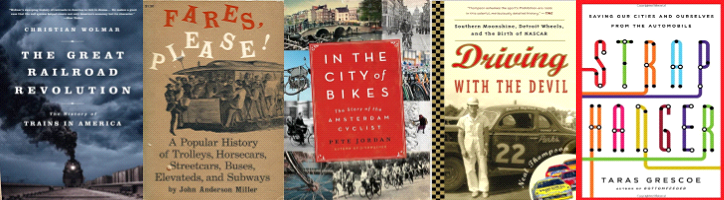
Today’s TTT is “Planes, Trains, and Automobiles”, which — no pun intended — is definitely in my wheelhouse. As longtime readers here know, transportation is a frequent nonfiction visit of mine, possibly because I come from a family of truckers and military flyboys. Here are some of my favorite transport reads!
But first, a tease!
Spock took a step closer to T’Nalae. “You say that you boarded the Enterprise to learn from me, Specialist. What I have to teach you may not be what you expected to hear … but that is the nature of true learning. I request that you ponder on that until we speak again.”
McCoy shook his head. “Unbelievable. An emotional Vulcan who’s having problems with telepathic humans. Did we cross over into an alternate universe again?
(Star Trek: The Higher Frontier, Christopher L Bennett)
Straphanger: Saving Ourselves and our Cities from the Automobile, Taras Grescoe. A study of the transit systems of thirteen cities, some traditionally urban and some auto-oriented, to find out what works and what doesn’t, and to see how technology is making systems run more seamlessly — like using the same card to get train access and rent bicycles at the train station!
The Box, Marc Levinson. A history of the standarized shipping container and its massive effect on cities and the global economy. Interestingly, the container was designed by a trucker.






 Reading Freely