Top Ten New-to-Me Authors from 2022

This week’s top ten Tuesday is “Favorite new-to-me-authors from 2022”. I encountered a lot of authors, but how many will I revisit? Let’s see…

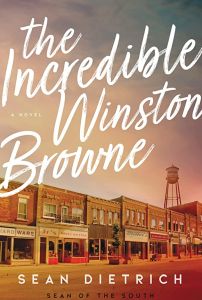
(1) Sean Dietrich. Sean of the South visited my library in December, and I was gifted an autographed copy of his You are my Sunshine. I enjoyed the book well enough, but what sold me on Sean were his blog posts and his podcasts, the latter of which mixes storytelling and southern folk music. I’ve since read one of his novels (The Incredible Winston Browne) and loved it.

And on that note, TUESDAY TEASER INTERRUPTION! featuring a sheriff trying to teach a young man to dance, so he can summon up the nerve to ask the girl he keeps drooling over.

“C’mon,” beckoned the sheriff. “I’m a beautiful woman, Buz.”
Buz squinted and tried to imagine the sheriff as an attractive woman, but it wasn’t working. He wandered toward the sheriff like a pig going to the processing plant. “Okay,” said the sheriff, guiding Buz’s arm. “Now, put this arm around my waist and this one holds my hand.”
“This feels ridiculous,” said Buz. Tommy hollered,
“You should see it from where I’m sitting!”

The Incredible Winston Browne

(2) Damien Lewis. I read a couple of Lewis’ WW2 histories — very pop history stuff, about the derring-do of commandos and the like — and can definitely imagine visiting him again for fun, light reads.

(3) Gore Vidal. Vidal has long been recommended to me by Bill Kauffman as a sharp critic of DC’s empire, and of its treatment of not just the people of the world, but the subjects of the long-fallen American republic.

(4) Blake Crouch (pictured). Holy cow, do I like this guy’s SF. I read three of his titles last year and each of them was on my top ten list.

(5) David Brooks. His The Second Mountain was one of my favorite books for the year, about finding one’s purpose in life.

(6) H.W. Crocker II. I tried Crocker first via his alt-history novel of George Custer, who in Crocker’s book survived Little Bighorn and became a gun for hire in the old west. Quite fun.

(7) Ben Shapiro. Back in….2021, a friend lent me a couple of Shapiro’s works. I was only vaguely aware of him, as I generally avoid TV political commentators as authors, but in the middle of the coronadystopia I was intrigued by the title, The Authoritarian Moment. I’ve since read two more of his works.

(8) Fr. Charles Connor. Connor did a history of Catholicism in colonial America, and it’s part of a trilogy in Catholic-American history that I’ll probably continue when Mount TBR doesn’t loom so high.

(9) J.M. Berger. His Optimal was my first SF read of 2022, and one of the most memorable books I read all year — featuring a comfortable dystopia where human lives are essentially managed by predictive AI. Berger has nonfiction works on extremism, so he’s definitely of further interest.

(10) Peter Kreeft, pictured. Kreeft is a Catholic author I’ve been wanting to try for a while now, and having read his Somewhere Between Heaven and Hell, a dialogue between C.S. Lewis, JFK, and Aldous Huxley around Christmas, I’m game for trying him again.
Posted in General | Tagged , | 9 Comments

The Incredible Winston Browne

The Incredible Winston Browne
© Sean Dietrich 2021
352 pages

In a little place called Moab,  a man is dying. His name is Winston Browne, and he’s a man who lives with regrets, memories of a love gone awry, of an envisioned life not fulfilled.  Yet he’s found a place for himself in Moab, not just as the sheriff but as a pillar of the community: he’s Moab’s baseball coach, its official deliverer-of-groceries to shut-ins, its very rock who mentors little boys and listens to the grievances of old women.  Soon he will be gone, but his work is not yet done. A little girl has just stumbled into town, a little girl who grown men want to kill,  a little girl for whom  one woman has already sacrificed  her liberty and possibly her life.    The Incredible Winston Browne   is a moving story of life refound – and of the incredible season of the 1955 Brooklyn Dodgers,  who the entire town is obsessed with. 

The Incredible Winston Browne begins as several apparently unrelated character stories that converge into one before the book’s first third is reached. Several of those stories are intertwined by nature of this being set in a small town of the 1950s, where no one is an island and everyone’s life is tangled up with everyone else’s –   with all the comfort and occasional irritation that entails.    Jessie,  though, is an outlier.  The reader meets her as a little  girl being smuggled out of a strange religious sect, chased by men of violence who have a singular obsession with finding her and punishing her for some crime unknown –    and when she arrives in Moab, alone and terrified, she becomes part of its story when the Sheriff  and another adult living with regrets – Eleanor, master of the church social scene –  take responsibility for her.  There are more stories interwoven with theirs, like that of a young boy who loses his grandfather and who is struggling to make his place in the world.   Winston Browne  takes several very different kinds of stories – a man burdened with the knowledge of his death, a woman struggling with the death of her own romance, the drama of the girl hiding from homicidal cultists, and of course the baseball action – and mixes them to excellent effect.  There’s enormous charm in the setting, of course — a Mayberry-on-the-Panhandle, where the postmaster also runs the general store, where the local newspaper is more concerned with local gossip than international affair, and little boys and girls grow to adulthood working alongside adults who care about them — but the deft mix of stories. and the general theme of how we can grow through the challenges and tragedies of life, makes this first fiction read of 2023 a high mark to beat.

Related:
The Little Way of Ruthie Leming, Rod Dreher. On the intense meaning to be found in strong ties to a local community, even as one prepares to ‘inherit their Eternal Reward’, as Moab’s paper so frequently put it.
Fried Green Tomatoes at the Whistle Stop Cafe, Fannie Flagg. Small-town southern drama. 1920s/30s
Cold Sassy Tree, Olivia Ann Burns. Ditto.
Wendell Berry’s Port Williams books. Ditto, but ranging from late 19th century to 1970s.

Posted in Reviews | Tagged , , , , , | 3 Comments

Unread Shelf Assignment #3: TBR Priorities

The first Unread shelf assignment for this year was to list all unread titles and move them into one location; the second was to purge The Unwanted. I did the first but a sudden outbreak of tornadoes in my area interrupted my plans for the second. This week’s assignment is to list the ten books we’re most interested/exciting in reading this year, or those that will — once read or otherwise dispatched — mark the year as a successful one.

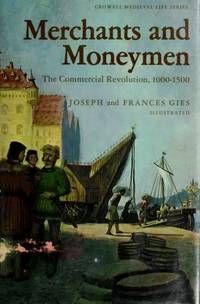
(1) Merchants and Moneymen: The Commercial Revolution, Joseph and Frances Gies. I love the Gies’ medieval social histories, and I’ve had this book for ten years.

(2) The War of 1812, John K. Mahon. I bought this in 2020 during an obsession with the Creek war, and the overlapping and very-much-related War of 1812; this particular volume is older but was recommended to me as a title that integrates the study of both conflicts. In addition to continuing to fill in a gap in my American history, and informing my future explorations to colonial spots on the Gulf Coast, this is a big ol’ book that contributes significantly to Mount Doom’s sheer height.

(3) Copenhaganize: The Definitive Guide to Global Bicycle Infrastructure, Mikaeel Colville-Andersen. Bikes! Cities! Bikes in cities!

(4) Ida Elizabeth, Sigrid Undset. Undset comes highly recommended to me, and this one is a Classics Club title to boot.

(5) The Moral Animal: Why We Are the Way We Are,  Robert Wright
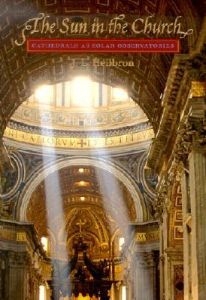
(6)The Sun in the Church: Cathedrals as Solar Observatories,  J.L. Heilbron. Both of these titles have been ‘potential science reads’ for the last three years. Time to round ’em up and move ’em out.

(7) Roads to Liberty, F. Van Wyck Mason. A collection of 4 novellas set in Revolutionary America. Another girthy title, this one will take priority because it was lent to me by someone who now wants it back. To be fair, I have had it for a year and a half. (Don’t lend me books without a firm timeline…)

(8) The Essential Russell Kirk, Russell Kirk.

(9) Purgatorio, Dante. Trans. Anthony Esolen
(10) Paradiso, Dante. Trans. Anthony Esolen. I’m long overdue to finish reading the Commedia. These double as Classics Club reads.

Posted in General | Tagged | 12 Comments

Of galaxy and creeply-crawlies

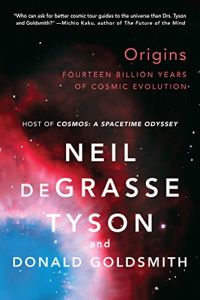
Origins is a history of life, the universe, and everything. (Sort of).  It’s an odd book, in that  it begins in an expected fashion: Tyson and Goldsmith look first to the origin of matter, delving into the first seconds of the Big Bang and exploring the world of particle physics.  We move next to the origin of cosmological order, of galaxies, our solar system, and life on Earth.  From here things derail, as the authors move into the possibilities of life elsewhere in our solar system and beyond, ending with a chapter on SETI and the like.  This section on extraterrestrial life is surprisingly long,  almost as much as the cosmology that opens the book.  It’s unquestionably easier to read & parse than the section on quarks and quasars, but felt like a prolonged distraction. 

Bugs. Even our common name for insects bears witness for our acrimonious relationship with them – they’re something to be squished, squashed, eradicated, gotten rid of. They’re irritants, pests,   etc.   And yet….they constitute a majority of animal life on Earth,  as far as sheer biomass goes, and  our global ecosystem is wholly dependent on them.  In Buzz Sting Bite: Why We Need Insects,  Anne Sverdrup-Thygeson first reviews the basics of bug biology –  what distinguishes them from other creepy-crawlers like arachnids – and how they’re built – before  reviewing their place in Earth’s complicated ballet, and human civilization.Bugs are a diverse enough group that chances are there are those you’re fond of, even if you dislike most of the rest.  Ladybugs and butterflies enjoy a wide popularity, for instance,   whereas mosquitos are universally despised.   They all have their place, though –  if only to feed the birds!  Although some gardeners may believe that the optimum number of insects in their garden is Absolutely None, the truth is more complicated – and   it should be considered before turning one’s food plots into a chemical biohazard.  Insects are not stock villains: they prey on one another, for instance,  and form symbiotic relationships with many ‘higher’ animals. Tree sloths, for instance,   harbor moths in their fur that create a substance the sloths rely on for nutritional value This is why sloths risk their lives and ‘waste’ their time climbing down to poop, instead of letting the ol’ feces fly airplane style.In addition to the rather important role of holding up the entire food web,  civilization relies on insects directly for many invaluable products. Silk, for instance, is produced by silkworms and honey by bees;  the study of insect parts has also informed human technology. Quite entertaining, wholly interesting, and definitely oriented toward a popular/mass audience.

Posted in Reviews, science | Tagged , , , | 1 Comment

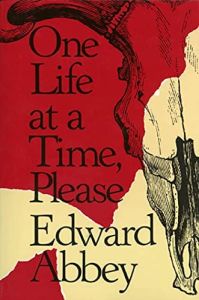
One Life at a Time, Please

One Life at a Time, Please
© 1988 Ed Abbey
204 pages

Ed Abbey’s final few years were spent in obsessive work, as he knew he was dying and wanted to make provisions for his family.  The Fool’s Progress and One Life at a Time, Please, were published in the hopes of supporting his young wife Clarke and their two children after his death. One Life is a motley collection of essays and other short nonfiction pieces, divided into three sections – Politics, Travel, and Books & Art.  “Travel” is stock Abbey – reminiscences of various hikes and river jaunts – with the exception of a memoir of his time spent in and around San Francisco, one of the few cities he doesn’t loathe entirely.  (He generally refers to them as termite-mounds, the ultimate in collectivism.) Abbey opens the  collection with three of his more controversial pieces, one denouncing western ranchers who abused public lands to range their cattle, one imploring the government to close the southern border, and another espousing his personal theory of anarchism.  Abbey was if nothing else a passionate defender of the west,  despising the distortions that rapid expansion was creating there during his forty-year tenure in Arizona and Utah.  He saw the diversion of rivers to  water the golf courses of Las Vegas,  and the damming  of beautiful spaces like Glen Canyon, and was moved to literal (if not particularly effective) violence.  His anti-immigrant stance was similarly motivated, as Abbey saw the United States as teeming with too many people as it was,   and in no need of newcomers whose treatment of the land was even more severe than the Anglos. The last section closes the book with a bang, especially his tribute to the freelance writer, who by virtue of being independent carried the obligation to speak his mind freely, without deference to either authority or public opinion.  He was evidently an enormous fan of Solzhenitsyn, referring to him as a personal hero — along with Thoreau and Tolstoy. Although the collection as a whole is not one of Abbey’s strongest (Desert Solitaire wins there), some of the pieces are so particularly interesting that it’s well worth seeking out.

Posted in Politics and Civic Interest, Reviews | Tagged , , , , , , | Leave a comment

Teaser Tuesday: Seeing from outside

Science is not just about seeing. Science is about measuring — preferably with something that’s not your own eyes, which are inextricably conjoined with the baggage of your brain: preconceived ideas, post-conceived notions, imagination unchecked by reference to other data, and bias.

Origins, Neil deGrasse Tyson and Donald Goddsmith
Posted in General | Tagged , | Leave a comment

Adventures with Ed

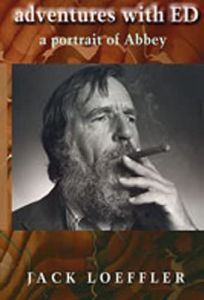
Adventures with Ed: A Portrait of Abbey
© 2003 Jack Loeffler
308 pages

He walked across the desert at least a thousand times,” Tom Russell sang of Abbey in his “Ballad” thereof. Jack Loeffler was with him many of those times, as the two friends drank one another’s beer and amused one another around many a camp fire with both inane chatter and provoking political discussion. In Adventures with Ed, Loeffler offers a remembrance of Abbey’s life that is largely biographical, but is also interwoven with Loeffler’s own commentary on the issues that drove both men — chiefly, the ongoing destruction of the west and the growing unsustainability of industrial society. It reccommends itself easily to any fan of Abbey.

I was astonished when reading Postcards from Ed to see a shot of Abbey in military uniform, as a military policeman no less: both a cop and a soldier? Seemed an unlikely start for a man who was so anti-establishment, but one can’t argue with the draft. (Well, one can. Abbey did in his Brave Cowboy, with one of his characters denouncing it as nothing less than slavery.) Adventures with Ed demonstrates that his lean frame carried many surprises: we all have a history, and it’s usually more interesting than our even our friends give us credit for, let alone our enemies who reduce us to stereotypes. We meet Ed as a young man on a hard-scrabble farm in the Appalachians, fathered by a man who was interesting in his own right, a rural intellectual who favored Eugene Debs and introduced his son to both classical music and rabbit hunting. The familiar story of Abbey emerges here — a young man of adventure, hitchhiking across the United States and then falling in love with the West, there to live the rest of his life. There are the surprising interruptions, though; his being drafted into the Army, and serving in Italy; his frequent moves back and forth between the West and larger cities, usually because he was married at the time; his array of occupations, which astonishingly included welfare agent, both to New York City’s urban poor and to the West’s native Americans. One can easily imagine Cactus Ed in a fire watchtower, or even tending a bar in Taos, living in a commune with other political radicals and artists. It’s a much harder sell to think of him approaching shoddy apartments and adobe houses, clipboard in hand, dutifully generating data and reports. Both fed who he was, though, as he bore witness to what the machine-state did to both the land and to the men who were caught in its clutches — or at least, carried in its wake.

Adventures with Ed offers a myriad of said adventures; Loeffler and Abbey wandered the landscape of the Southwest many times together, camping for days at a time under endless skies. They both saw what was happening to the landscape; the plundering of mines, the creation of roads and railroads at public expense for the benefit of a few corporations. They got into danger more than a few times, either when their outdoors explorations got out of hand, or they ran into corrupt police officers with a side hustle of banditry in Mexico. The latter was particularly harrowing, as they had their wives and children with them — and only one little pistol. The adventures were also intellectual, as the two both read broadly, thought deeply, and argued often. Through Loeffler’s eyes, we see Abbey developing his ideas about anarchism and ‘eco-defense’, in which he defended his frequent destruction or sabotage of private property (billboards, bulldozers, etc) by comparing it to a man defending his home from an invasive brigand. To Abbey, the open lands of the West belonged to everyone — including the coyotes and the rocks, and should not be parceled out by developers to poison Indians with uranium mining or the water table below and skies above. They altered in their opinions as they argued with one another, and over the years: Abbey came to the West idolizing cowboys, but quickly grew to view the ranchers using ‘public lands’ for ranging as the crummiest of parasites, who were destroying Western grasslands directly, and undermining its native population of elk and antelope.

I suppose Abbey appeals to me in part because of his contradictions; his avowed anarchism, yet his desire to see the state check the very corporations that own it; his earthy roots and intense interest in celebrating the working man, yet his appreciation for ‘highbrow’ classical music and for intellectual and philosophical debate; his competing desires to roam the land wild and free, and yet enjoy the fruits of a quiet domestic life — his love for his wives and his reliable tendency to go philandering, at least until he grew older and his libido cooled slightly. He certainly had his flaws and interior contradictions, but he was intensely authentic and never boring. Although I was familiar with Abbey as philosopher and activist, Adventures will be remembered as a favorite for delivering an image of him as a friend, father, and devoted-if-often-distracted husband.

Related:
Postcards from Ed, ed. David Petersen

Posted in Politics and Civic Interest, Reviews | Tagged , , , , , , | 2 Comments

At the dawn of recovery

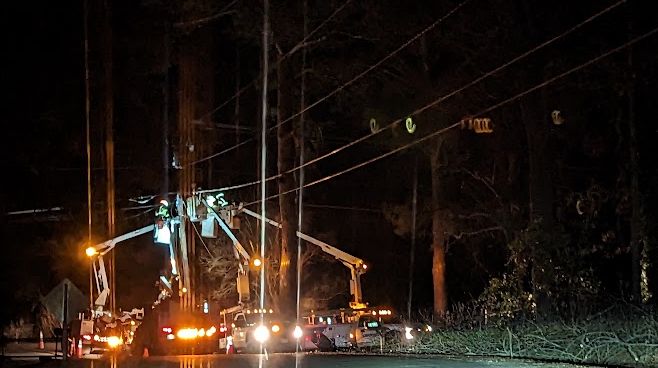
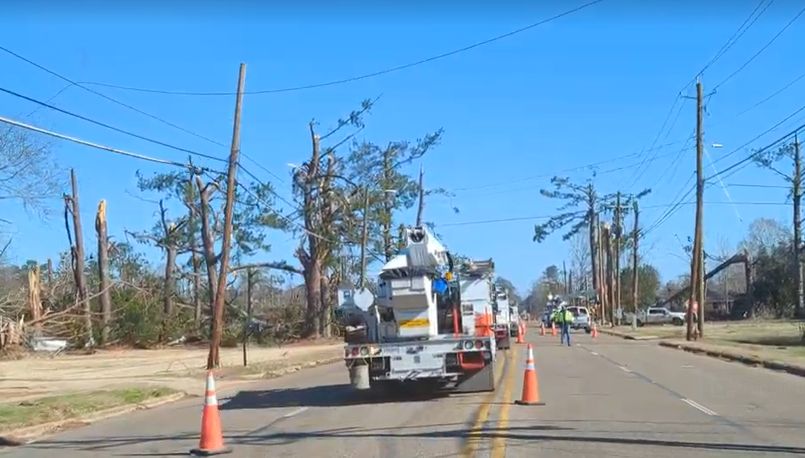
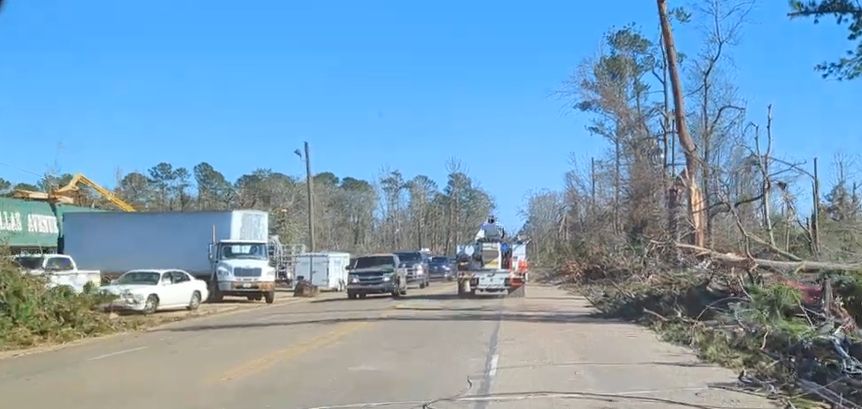
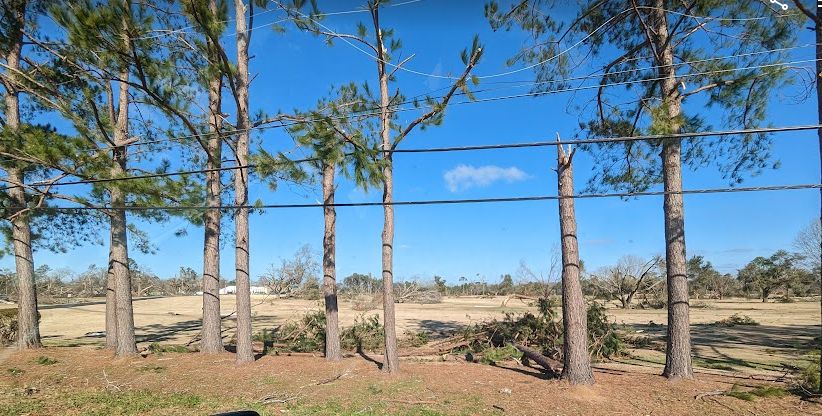
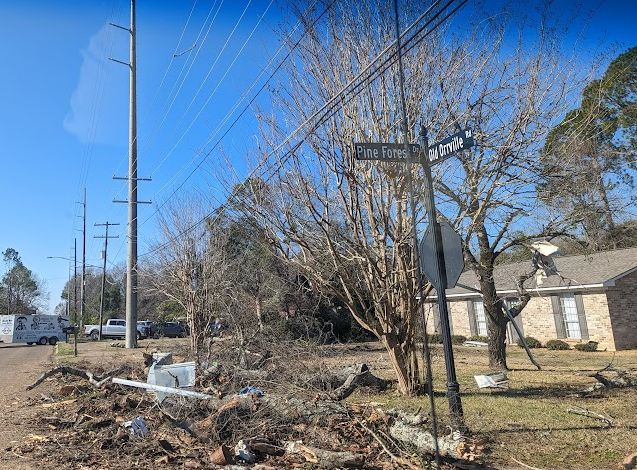
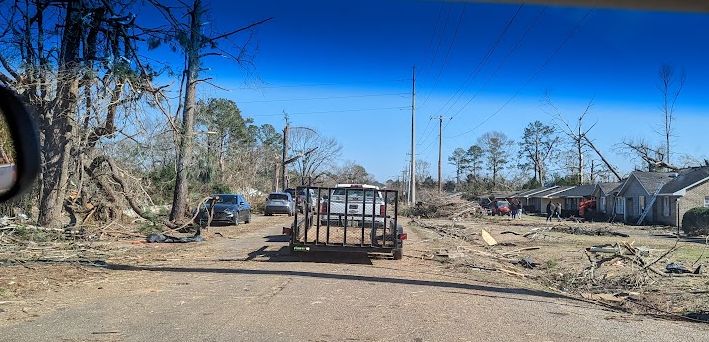
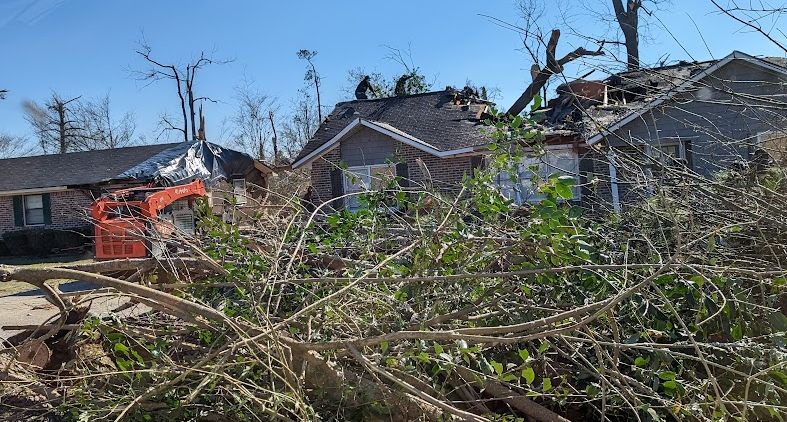
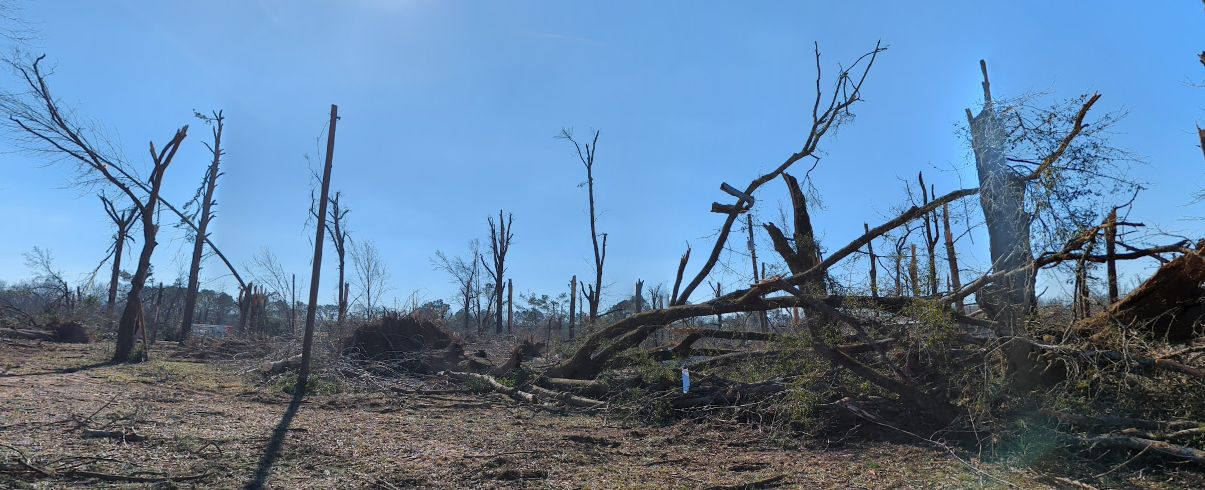
Well. After a weekend of frantic work, now the rain is moving in and we’re pondering all the work that remains. An amazing amount of work has been done in the last few days to clear the road and make recovery possible, despite the traffic issues caused by local and outside lookie-loos. The only time I’ve gone out was Saturday morning, to help a friend evacuate some stuff out of his destroyed cabin before the rain moved in this week. Access was along one of two roads that were ground zero for the tornado, Dallas Ave and Old Orville Road, and they were absolutely destroyed. There must be thousands of trees down in that area alone — 42 in one yard! — and impact is almost universal. It’s worse than any hurricane or tornado in living memory, and arguably the worst thing to hit Selma since the Federal army in 1865. On Saturday, downtown swelled with activity as people took advantage of the break from rain to go to work clearing properties and serving those in need. All of the downtown churches were serving meals, for instance, and (in my church’s case, at least) making deliveries to those who couldn’t make it to us. The same was true on Sunday: there was no shortage of people serving food and administering supplies, from local organizations to outside help. The amount of people coming in to help is frankly, overwhelming: I’ve never seen so many utility trucks in my life, and I imagine two-thirds of Alabama’s state trooper force were in Dallas County this past weekend. There are other areas that have been devestated, too — Jeff Davis/J.L. Chestnut, which I haven’t attempted to try to access. A friend of mine was in one of our historic black churches leading a support group when it collapsed: fortunately, he was in the basement which has a separate exit. Swapping survivor stories and rumors of damage has become the favorite new pasttime, though not all information is accuracy: I don’t know how many times I’ve been told that Winn-Dixie and Morgan Academy were destroyed. (Morgan Academy was untouched, and Winn-Dixie is closed but hard at work repairing itself.) The Library is open today, and we’re doing our best to collect information on resources and communicate that to the people in need. We’ve a long row to hoe, as they used to say.

Reviews forthcoming for Buzz Sting Bite and Adventures with Ed.

If you are interested in giving:


United Way of Selma

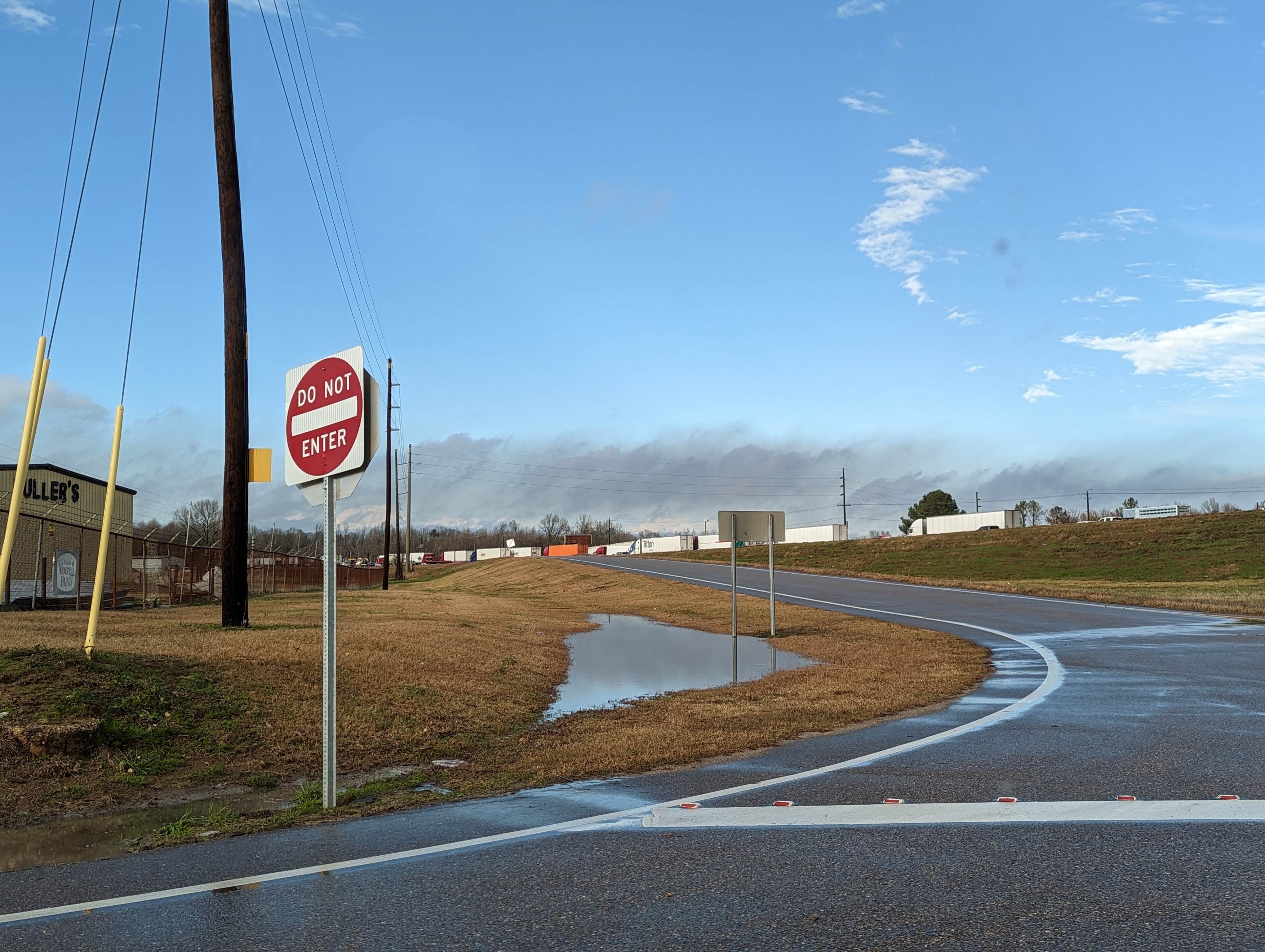
All of these shots were taken trying to navigate to my buddy’s house on Saturday morning. The last shot is taken from the property, which used to be completely forested. His house was completely covered in shade, and now it’s wide open save for the debris.

Posted in General | 2 Comments

A less quick note posted from a borrowed chair in a quiet Walmart aisle

Selma is officially a disaster area, with visits from Governor Meemaw and our senators. My grandmother passed away the night before the tornado hit, so some other displaced relatives and I are rooming at the family place. It has heat and coffee, two essentials since the temps plummeted after the storm.

I had no idea this was coming. We were told to expect a quick round of thunderstorms, some possibly severe. This is Alabama — that’s like a fog advisory in London. I was eating lunch at the Downtowner when sirens went off and I bolted across the street to the library to get inside shelter before things went sideways.

The library, it turns out, is an excellent shelter. We never HEARD the winds that terrified people in the Bayou Rouge Bistro nearby. We were receiving reports on our phones from friends and neighbors announcing that this or that was destroyed, that It was headed this way or that, etc. But inside the auditorium of the library, it felt like any other day except for the lack of electricity.

We emerged to astonishment. Downtown was ravaged, but so were other areas. My roommates and I were all away from home when it struck, and roads were so impassable that I spent two hours trying to find a way to my residence before giving up. The highway east was savaged as well A neighbor assured me that it was fine. I returned to downtown since I couldn’t go anywhere else — roads were filled with people trying to find ways out or home — and checked on friends, spending time helping them clean their yards. Something burned ferociously.

Near dusk I was able to get home. It was fine save for a tree fallen on my bike and garden shed, but the shed itself was still standing. I had lamps and a propane heater and was not terribly put out, but chose to decamp to my grandmother’s house following the funeral on Friday.

As someone who cherishes Selma’s historic architecture, I’m saddened at the devastation but glad we had no fatalities. I am going to try to add some photos to this but am on my phone so it may look odd. I am hoping power will be restored sometime next week. Currently reading Ed Abbey biography.

The above is the bypass completely blocked. Very eerie.

Posted in General | 14 Comments

quick note

Tornado hit Selma badly yesterday. Some areas, including the library and my home, won’t have power for days. Will post it when possible. Now I hav no distractions to keep me from Mout Doom.

Posted in General | 14 Comments