
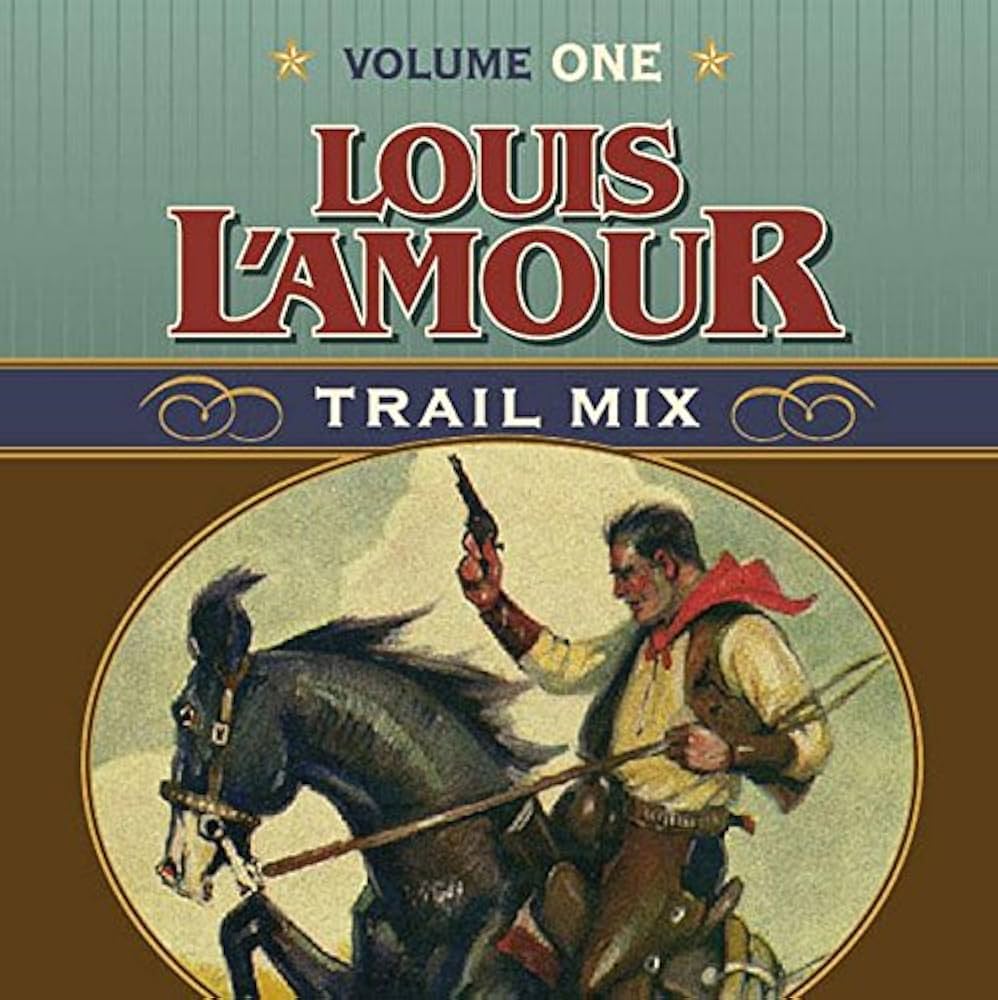
I’m going to short-round a bunch of Paul Doiron books and just comment on them in general, since the quality is fairly consistent from book to book. But first, on Willie Nelson’s birthday, I searched his name in Audible just to see what was there, and to my delight saw that he’d not only narrated a few Louis L’Amour short stories, he’d been joined by Johnny Cash and Kris Kristofferson. The Highwaymen! Nelson and Cash doing a western would have been amazing alone, but together? Wow. The first volume of “Trail Mix” was only a few hours long, and I listened with delight while playing..er, Stardew Valley. (There’s some mood whiplash for you.) The Audible presentation is more of an audio drama, since not only are there multple voice actors, but there are direct and ambient sound effects, so the listener is hearing the rumble of hooves, dogs barking outside a ranch, etc. The Highwaymen don’t appear in full on all of the short stories, though they are in the first and longest one, “Riding for the Brand”. Here, a man named Jed Ashbury assumes the identity of a murdered heir to a ranch to protect it from the man whose men committed the murder. Although the ranch’s people (we learn later ) have an idea that this vigorous outsider is not, in fact, the young heir, he’s such a good man and boss that they prefer his well-intended deceit to the villain of the piece. In another, a group of six men travel the plains to get vengeance on a man who killed one of their own in a bar brawl, and are outraged by the fact that their pursuee seems to be playing with them — preparing campsites for them to use, in fact! When they crest the ridge, they realize things are not what they seem. Willie Nelson has a great voice for reading westerns.
And now, for a few Paul Doiron short rounds! I should note these are not order of publication. My library doesn’t have all of his books, so some I’m getting in the library, some via ebook etc. I’m approaching the end of what’s available to me, so aside from a few posts next week this will probably be it. Paul Doiron’s game warden books are set in Maine, which is not a state I knew much about beyond it being a bunch of woods and mountains perilously close to Canada. While I found this via the warden connection to my Joe Pickett obsession of the last two months, they’re very different series: Doiron keeps things much more closely grounded to game warden business, with nary a Mexican cartel or government conspiracy to be had. Despite that, there’s no lack of interest, and in fact I’ve enjoyed the more character-focused storytelling. Mitch is no Joe Pickett: while they both came from an unstable familial background, Mitch begins the series younger than Joe and has a lot of growing up to to, evidence by a series of poor decisions like sleeping with the sister of a murder suspect, or pursuing law and order while under the influence of painkillers and whiskey. He does, however, mature. Although I mentioned in The Poacher’s Son that the Maine setting wasn’t as interesting to me as Wyoming, it has grown on me because of some of the later books I’ve read — one of which used islands and fog to superb dramatic effect, and another of which had Mitch commenting on different types of now and making the stuff come alive for me in a way I wouldn’t think possible, given that my only experience with snow involves weekend dustings that melt within 24 hours.
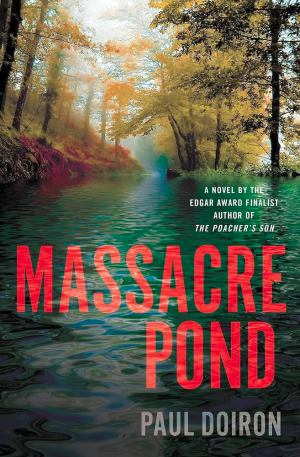
Game Warden Mike Bowditch just got a call about some dead moose on a lady’s property. Moose is a confusing word: it can be singular or plural. In this case, it’s plural. Four dead moose, an entire family. A dead moose is something, but four dead moose is a real inconvenience. When Mike arrives at the scene, he realizes that someone has shot these moose not for meat, but purely for the joy of killing – or for spite. It turns out there are ten dead moose on the property, and the property in question is owned by a woman who bought up half the county with the intention of turning it into a national park – loggers, hunters, and recreationists be damned. Although Mike is first on the scene, his local lieutenant is not a fan of this whippersnapper who keeps getting himself involved in murder investigations and decides to relegate him to the sidelines. Fortunately, that keeps Mike from getting stuck on the railroad the LT and his investigator pursue – down the wrong track. The property owner decides to use Mike as her liaison to the investigators, since she witnesses the slight acrimony between him and the lead investigator and suspects Mike will be more straightforward than diplomatic with her. Whoever killed the moose isn’t satisfied, though: not only is the woman’s lakeside home sprayed with gunfire, but her young daughter is frequently harassed. This book demonstrates Mike’s ability to bond with people who are not his supervisors, as well as his inability to let go of something that’s bugging him — rather like Joe Pickett!
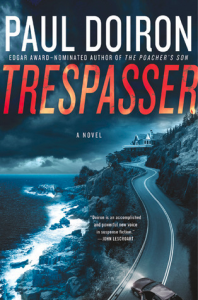
Game Warden Mike Bowditch just got a call about a young woman striking a deer. When he arrives at the scene, he finds blood – but no deer, and no woman. Although he does due diligence and searches the site for clues, it’s a miserable night and he doesn’t resist it when a state trooper arrives and orders him to shove off. (Having a cop-killing father does not make someone especially popular with other LEOs.) The mystery continues to haunt Mike, though: something about it seems sketchy as hell, nevermind the state trooper’s assertion that the woman must have called for a friend to pick her up and fled the scene. He keeps getting in trouble with his superiors for butting in to areas where he’s not wanted — he’s a game warden, not a detective — but his momentary lapse in pursuing his gut is something he’ll regret all book long, as the missing woman is eventually discovered brutally murdered, in ways that recall another murder a few years before.
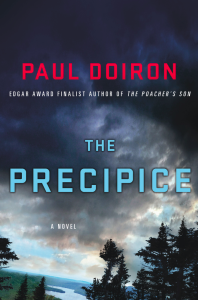
Two recent college grads, a pair of young women, have gone missing on the Appalachian Trail. Game Warden Mike Bowditch and his kinda-sorta girlfriend Stacey (the daughter of his mentor, that’s not weird or anything) are both called in to help with the search. This area of the AT is particularly treacherous, with narrow trails along rims that lead directly into the drink, and the increasing rumor of aggressive coyote activity. It’s also peopled by some odd characters, like an intense and unfriendly man named Nissen who holds the record for fast-trekking the AT. Although everyone’s nerves are on edge from the prospect of finding two dead students, Stacey is especially erratic and disappears halfway through the story to pursue her own lead, effectively ghosting Mike and causing both him and her retired warden father no end of worry. With multiple suspects emerging, this one is a thriller to the end.
A bayou bistro in the North Woods? The idea wasn’t so far out. The Appalachian Trail serves as a natural conduit for southern culture to the wilds of New England. And Mainers have a deep love of country music, which always surprises visitors who expect—I don’t know—sea chanteys. The way I had always thought of it was that we were just hillbillies with a different accent.
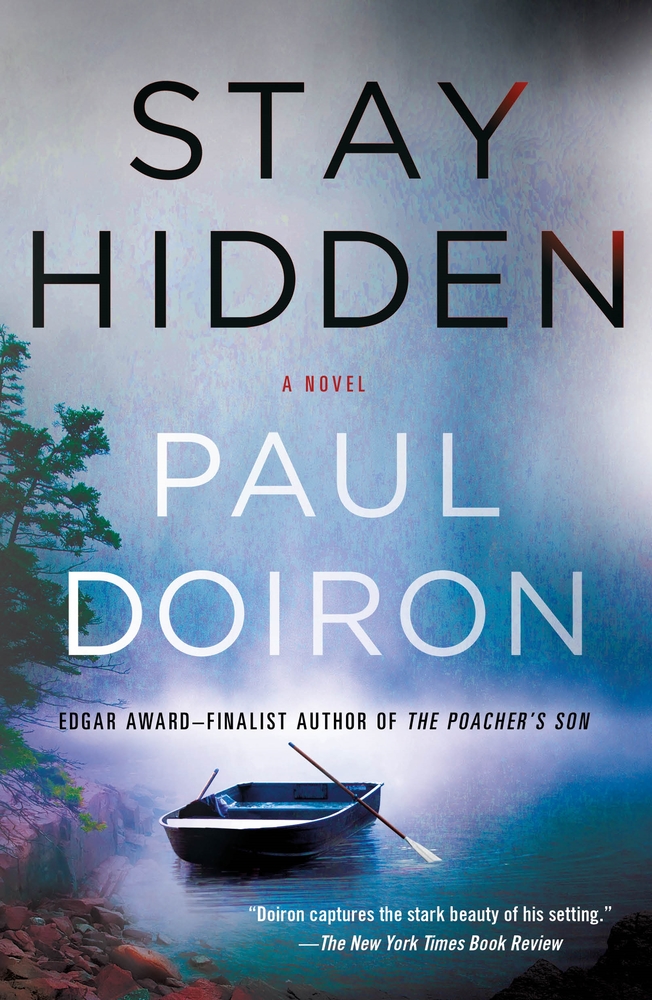
Of the Mike Bowditch novels I’ve yet read, Stay Hidden is fairly easily my favorite. Its one of the later ones, when Mike’s habit of putting his nose too far into the case has been recognized as a talent rather than a nusiance: he’s been promoted to warden-investigator, and this is his first case. It’s set on an island off of Maine, rather than maineland proper (yuk yuk yuk yuk): the island is rather insular, referring to the continent as America, and dominated by two families. A visiting tourist, a writer-in-residence, has gotten herself shot while hanging white laundry too close to the treeline during deer season. (The predominant American deer is the whitetail, which ‘flags’ when it’s on the run.) The case should be pretty open and shut: take the statement of the kid who said he accidentally shot her and see what the prosecutors have to say. Only, when Mike arrives, everyone on the island has changed their story: now the kid didn’t shoot the woman, he found her on accident. Because of the island’s location and Maine’s weather, Mike is quickly isolated — alone on the island, left to his own resources. His partner, a detective with the state police, is trapped by a court case but will arrive by ferry in a few days, but with every moment that goes by the case gets weirder. The dead woman, for instance, arrives on a ferry — still alive and kicking. Turns out someone was impersonating her, and doing a rather good job of it. There’s also the fact that Mike is staying in a home where he never sees the host, but communicates with them only through hand-written letters — and one of the people signing the letters is dead. This was a great thriller, using the fog and island setting to great effect and further bolstered by memorable characters.
This book is set earlier in the series when Mitch is still in impulsive bad-decision mode. Mike has been remanded to Downeast, a poor area of Maine largely populated by drug addicts. His mentor suggested he check in with a local professor, and after having dinner with the man — an environmentalist who is known for his obsession with primitive skills — Mitch is called to help with a man who has just stumbled to a cabin amid a growing blizzard, already frost-bitten. The man manages to communicate that there’s someone else still out there, and so Mitch and the other local authorities risk literal life and limb (and noses and ears) to find the guy. Mitch realizes that these two yokels were two trouble-makers he saw earlier in the day, accused drug-runners who were giving a distractedly cute McDonalds clerk a hard time. Frostbit Man happens to be her brother, and Mike falls into an incredibly ill-conceived relationship with her at the same time that they both fall off the AA wagon. It was entertaining enough, but boy is Mike a bonehead in this one.

 Reading Freely
:max_bytes(150000):strip_icc()/GettyImages-852964852-10969d048cc244d8b3bd565412faefb2.jpg)